Water heating is the second-largest energy use in most homes, and a solar water heater installation can cut that cost by 50 to 80 percent by using free energy from the sun. Because solar water heater installation ties together roofing, plumbing, and sometimes electrical work, it is a project that rewards careful planning and licensed professional help. Here’s how the systems work, what the installation involves, and what it costs.
Solar water heating has been around for decades and is one of the most cost-effective ways to use solar energy, often paying back faster than solar electric panels for the same dollar spent on hot water. Here is what you need to know before you commit.
How Solar Water Heaters Work
Every solar water heating system has two core parts: solar collectors mounted on the roof and a well-insulated storage tank. The collectors absorb sunlight and heat a fluid, which then transfers that heat to your water supply. On sunny days the system can supply most or all of your hot water, with a conventional backup heater covering cloudy stretches and heavy demand.
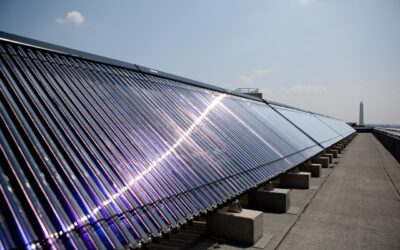
The collectors come in two main types. Flat-plate collectors are insulated glazed boxes with a dark absorber plate, durable and common. Evacuated-tube collectors use rows of glass tubes and perform better in cold or cloudy climates because of their superior insulation.
The efficiency gain over an electric or gas heater comes from using free solar energy for the bulk of the heating, with the conventional heater only topping up the difference. On a sunny summer day, a well-sized system can bring incoming water most of the way to your set temperature before it ever reaches the backup heater, which then does little or no work. Even in winter, the collectors preheat cold supply water several degrees, reducing how hard the backup must run. Over a year, this preheating is what produces the 50 to 80 percent savings that make solar water heating attractive, though the exact figure depends heavily on your climate, hot-water habits, and system size.
Active vs. Passive Systems
Solar water heaters fall into two broad categories, and your climate largely dictates which is appropriate.
- Active systems use electric pumps and controls to circulate fluid. Active direct systems circulate household water through the collectors and suit mild climates. Active indirect systems circulate a non-freezing heat-transfer fluid through a heat exchanger, making them the right choice where freezing is a risk.
- Passive systems have no pumps and rely on natural convection. They are simpler and more reliable but generally less efficient. Integral collector-storage and thermosiphon systems are the common passive types, best in areas that rarely freeze.
In cold regions, a freeze-protected active indirect system is usually necessary, because water left in exposed collectors will freeze and rupture them. A licensed installer will match the system type to your local climate.
Assessing Your Home’s Solar Potential
Before anything else, your site needs adequate sun. South-facing roof space with minimal shading between roughly 9 a.m. and 3 p.m. is ideal, and collectors are typically tilted at an angle close to your latitude for year-round performance. A roof obstructed by tall trees, chimneys, or neighboring buildings may not gather enough energy to justify the cost.
Roof condition matters too. Collectors and their mounts add weight and last 20 years or more, so if your roof is nearing the end of its life, replace or repair it before installing. Mounting anything to a failing roof means tearing the system off later to reroof.
What the Installation Involves
A typical installation is a multi-trade job. Collectors are mounted and flashed to the roof, which must be sealed properly to prevent leaks, plumbing lines run from the collectors down to a new solar storage tank, and the storage tank ties into your existing water heater or replaces it. Active systems also need pumps, a controller, sensors, and often an electrical connection.
Because the work penetrates the roof and connects to your potable water supply, it must be done correctly to avoid leaks, contamination, and code violations. Improper roof flashing causes water damage, and improper plumbing connections can create cross-contamination or scald risks. This is not a beginner DIY project; most homeowners hire a licensed solar or plumbing contractor certified for this work.
Backup Heating and Sizing
No solar system supplies 100 percent of your hot water year round, so every install includes a backup. The backup can be a conventional electric or gas water heater, or an integrated element in the solar storage tank, that kicks in when solar output falls short on cloudy days or during heavy use.
Sizing the collector area and tank to your household is key. A rule of thumb is about 20 square feet of collector area for the first two people and 8 additional square feet per extra person in sunny climates, with more in cooler regions. Storage tanks are commonly 80 gallons for solar systems. An installer will run a proper load calculation based on your household size and climate.
Cost and Payback
Installed costs vary with system type, size, and region, but a full solar water heating system typically runs $3,000 to $10,000 installed. Active indirect systems for cold climates sit toward the higher end because of the extra components. While that is more than a standard water heater, the energy savings and available incentives change the math.
- Equipment and materials: $2,000 to $6,000
- Professional installation: $1,000 to $4,000
- Estimated payback: often 5 to 12 years, depending on local energy prices and sun
Because a well-built system lasts 20 years or more, most homeowners see many years of nearly free hot water after payback. The payback window shrinks fastest for households with high hot-water use, such as larger families, and in regions where electricity or propane is expensive. If your current water heater is electric and your utility rates are high, solar preheating displaces some of your priciest energy, which improves the return.
Incentives can further tilt the math in your favor. State and local programs can reduce the net cost. Solar water heating used to qualify for the federal 25D residential clean energy tax credit, but that credit ended for systems whose installation was completed after December 31, 2025. Many states and utilities still offer rebates, so verify the state or utility programs for your address before you budget. A reputable installer will know the local programs and can help you document the paperwork. Factor these credits into your payback calculation, since they can shave thousands off the upfront cost and are the difference between a marginal project and an easy yes.
Maintenance and Longevity
Solar water heaters are low-maintenance but not maintenance-free. Plan on periodic checks of the pump, controller, antifreeze fluid, and collector glazing, and have the heat-transfer fluid tested and replaced on the manufacturer’s schedule, often every 3 to 5 years for glycol systems. Keep collectors clear of debris and leaves.
With basic upkeep, collectors commonly last 20 years and tanks 10 to 15, similar to a conventional heater. Have a professional service the system periodically to keep it running efficiently and to catch small issues before they become leaks. In hard-water areas, mineral scale can build up inside the tank and heat exchanger, so ask your installer whether periodic flushing is recommended for your system. A simple annual visual check of the collectors, mounts, and roof flashing after winter storms helps you spot loose hardware or cracked glazing early.
Freeze protection deserves special attention in cold climates. Glycol-based indirect systems rely on the antifreeze concentration staying within range, and depleted or degraded fluid can allow the collectors to freeze and rupture on a hard winter night. Drain-back systems avoid antifreeze entirely by draining water out of the collectors when the pump is off, which is elegant but requires correct pitch and installation. Whichever design you have, understand its freeze strategy and keep up with the maintenance that protects it, because a burst collector on the roof is an expensive and messy failure.
Is Solar Water Heating Right for You
If you have sunny, south-facing roof space, a sound roof, and want to slash your water heating bills, a solar water heater is one of the best renewable investments available. Choose a system type suited to your climate, size it to your household, and factor in available incentives. Given the roofing, plumbing, and electrical work involved, hire a licensed, certified installer, follow the manufacturer’s specifications, and let a professional handle the roof penetrations and water connections. Done right, you will enjoy decades of low-cost, sun-powered hot water.
Rheem Solar Hot Water Systems and Other Packaged Options
Rheem lists solar water heating packages and solar storage tanks on its own website, which makes it one of the mainstream water heater makers selling solar-ready equipment. When you compare any brand’s solar hot water products, the useful question is which configuration you are buying: a full packaged system, a solar storage tank for collectors you source separately, or a passive unit.
Packaged System, Solar Tank or Passive Unit
| Configuration | What is included | Best fit |
|---|---|---|
| Active packaged system | Collectors, storage tank, controller, pump and mixing valve | New installs, especially in freezing climates |
| Solar storage tank only | Tank with built-in heat exchanger, sometimes a backup element | Replacing a worn tank on an existing collector array |
| Passive system | Collector and tank that work by natural convection | Mild climates with little or no freezing |
Solar tanks are commonly sold in roughly 80 and 120 gallon sizes. The larger tank suits bigger households or larger collector arrays, but it needs more floor space and a floor that can carry the filled weight.
What to Compare Between Brands
- Certification: Look for systems certified by the Solar Rating and Certification Corporation. Many incentive programs require a certified system, and the rating lets you compare expected solar output.
- Warranty split: Tanks, collectors and pumps or controllers often carry different warranty terms. Read each line rather than the headline number.
- Heat exchanger design: Indirect systems that circulate antifreeze typically need a double-wall heat exchanger to keep the fluid away from drinking water. Confirm what your local code requires.
- Backup type: Decide between an electric element in the solar tank or a separate gas or electric heater downstream, and match it to the fuel you already have.
- Mixing valve: Solar tanks can get far hotter than a normal set point, so a thermostatic mixing valve is essential to prevent scalding at the taps.
- Installer support: Choose a brand with trained installers and parts availability in your area, since collectors and controllers need service over a 20 year life.
Before You Order
Ask the installer to size the system from a load calculation, confirm the roof is sound and the site gets enough sun, and check the current maker spec sheets for tank capacities and collector sizes. Incentive rules change often, and the federal 25D credit ended after 2025, so confirm which state and utility programs still apply for your installation year before you count them in the budget.