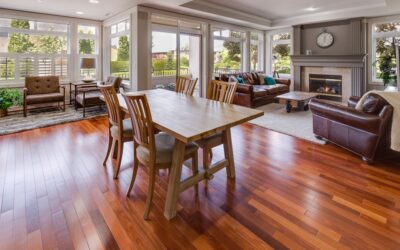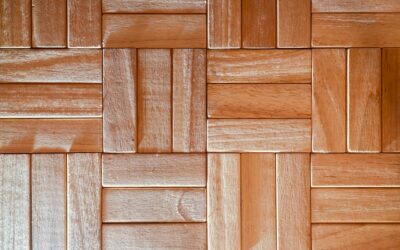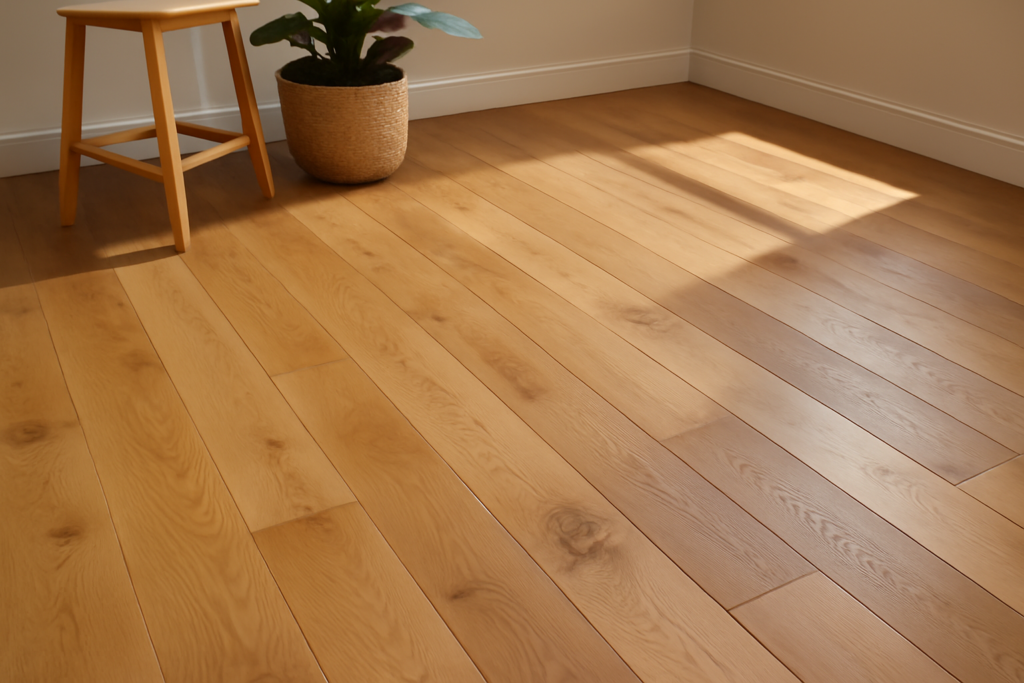
Few flooring choices carry the timeless appeal and lasting value of real wood, and solid oak hardwood flooring sits at the top of the list for homeowners who want a floor that can last fifty to one hundred years. Milled from a single piece of solid oak, these boards can be sanded and refinished many times over their life, which is exactly why oak floors installed generations ago are still beautiful today. Expect to invest roughly $6 to $14 per square foot installed for genuine solid oak.
- What Makes Oak the Classic Choice
- Red Oak Versus White Oak
- Pros of Solid Oak Flooring
- Cons to Weigh
- Solid Versus Engineered Oak
- Understanding Grades and Cuts
- Prefinished Versus Site-Finished
- What to Look for When Buying
- Installation and Care Basics
- Refinishing and Long-Term Renewal
- Matching Oak to Your Home Style
- Is Solid Oak Worth It
What Makes Oak the Classic Choice
Oak has been the dominant hardwood flooring species in American homes for over a century, and for good reason. It is hard, widely available, and takes stain beautifully, allowing everything from pale natural finishes to deep espresso tones. Its prominent grain pattern hides minor scratches and dents better than smoother woods, making it forgiving in real-world family use. Oak also offers excellent dimensional stability relative to many other species, meaning it expands and contracts less with seasonal humidity swings.
Red Oak Versus White Oak
The two main types of oak flooring differ in ways worth understanding before you buy.
- Red oak has a warm, slightly pinkish tone and a strong, busy grain. It is typically a bit less expensive and is the traditional standard against which other floors are graded.
- White oak has a cooler, more neutral brown tone with a tighter, straighter grain. It is slightly harder than red oak and naturally more water-resistant, which has made it the current favorite for modern and gray-toned finishes.
On the Janka hardness scale, white oak rates around 1,360 and red oak around 1,290, so both resist denting well while white oak holds a slight edge.
Pros of Solid Oak Flooring
- Exceptional longevity, often lasting the lifetime of the home with proper care.
- Can be sanded and refinished multiple times to erase wear or change color.
- Strong resale value and broad buyer appeal compared with synthetic floors.
- Timeless aesthetic that suits traditional and contemporary interiors alike.
- A natural, renewable material with a long service life that spreads its footprint over decades.
- Forgiving grain that camouflages everyday scuffs and small dents.
Cons to Weigh
- Higher upfront cost than vinyl, laminate, or engineered alternatives.
- Sensitivity to moisture means it is not recommended for bathrooms, full basements, or other damp areas.
- It can scratch, dent, and show wear, requiring eventual refinishing.
- Solid wood expands and contracts with humidity, so it needs a stable indoor climate.
- Professional installation is usually required, since solid boards are nailed or stapled to a wood subfloor.
Solid Versus Engineered Oak
A common decision point is whether to choose solid oak or engineered oak. Solid oak is one piece of wood throughout and can be refinished many times, but it must be installed over a wood subfloor and is vulnerable to moisture. Engineered oak features a real oak veneer over a plywood core, offering better moisture stability and the ability to install over concrete or with a floating method. For most above-grade living areas with a wood subfloor, solid oak remains the gold standard for longevity, while engineered oak suits basements, concrete slabs, and homes in humid climates.
Understanding Grades and Cuts
Oak flooring is sorted into grades based on appearance. Clear and select grades show minimal knots and consistent color for a refined look, while common grades, sometimes called character or rustic, include more knots, color variation, and natural marks for a casual feel. None of these grades is structurally weaker; the difference is purely aesthetic and price. The cut also matters: plain-sawn oak shows the familiar cathedral grain, while rift and quarter-sawn cuts produce straighter, more uniform lines and greater stability at a premium price.
Prefinished Versus Site-Finished
You can buy oak flooring prefinished at the factory or have it sanded and finished on site after installation. Prefinished boards arrive sealed with a durable factory coating, install faster, and let you use the floor almost immediately. Site-finished floors are sanded smooth after installation and finished in place, which yields a perfectly flat, seamless surface and lets you choose any custom stain, but the process is messier, takes longer, and costs more in labor. Many homeowners choose prefinished for convenience and site-finished for a fully custom result.
What to Look for When Buying
Focus on board width, finish type, and origin. Wider planks of five inches or more create a contemporary look but cost more and move more with humidity. Ask whether the finish is a durable aluminum-oxide or polyurethane coating, which resists wear. Confirm the wood is properly kiln-dried to a stable moisture content. Buy about ten percent extra to cover cutting waste and to keep matching boards on hand for future repairs.
Installation and Care Basics
Solid oak is typically nailed or stapled to a plywood or board subfloor, a job best handled by professionals to ensure tight, squeak-free results. Let the wood acclimate in the room for several days before installation so it adjusts to your home’s humidity. Once installed, maintain it by sweeping regularly, wiping spills promptly, using felt pads under furniture, and keeping indoor humidity between thirty-five and fifty-five percent. Avoid wet mopping; use a barely damp mop and a cleaner made for hardwood.
Refinishing and Long-Term Renewal
The defining advantage of solid oak is its refinishing potential, and understanding the process explains why these floors last so long. Over the years, foot traffic dulls the finish and small scratches accumulate. Rather than replacing the floor, a professional sands off the worn top layer, exposing fresh wood beneath, then applies new stain and protective coats. Because solid oak boards are typically three-quarters of an inch thick, they can withstand several full sandings across their life, each removing only a fraction of an inch. This ability to renew the surface multiple times is why a well-maintained oak floor can look new again decades after it was installed.
Matching Oak to Your Home Style
Oak’s versatility lets it complement nearly any design direction. A natural or light finish suits Scandinavian and contemporary interiors and makes rooms feel bright and airy. Medium golden tones lean traditional and pair well with classic furnishings. Deep, dark stains create a dramatic, formal look but show dust and scratches more readily. White oak with a wire-brushed texture and a clear matte finish has become especially popular in modern farmhouse and transitional homes. Because oak accepts stain so evenly, you can adjust the look to your taste without changing the underlying durability.
Is Solid Oak Worth It
For homeowners who value durability, resale appeal, and a floor that can be renewed for generations, solid oak justifies its higher upfront cost through decades of service and the ability to refinish rather than replace. It is the right choice for living rooms, bedrooms, dining rooms, and hallways in climate-controlled homes. D and G Flooring can help you compare red and white oak, grades, finishes, and installed pricing so your hardwood investment fits both your style and your budget.
Prefer to explore on your own?
See how new flooring looks in your actual room in seconds — free, no signup.
Try the free Floor Studio →