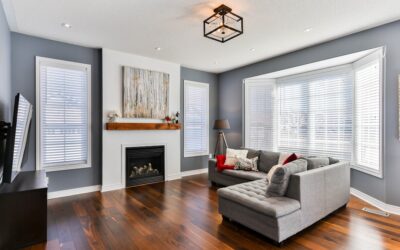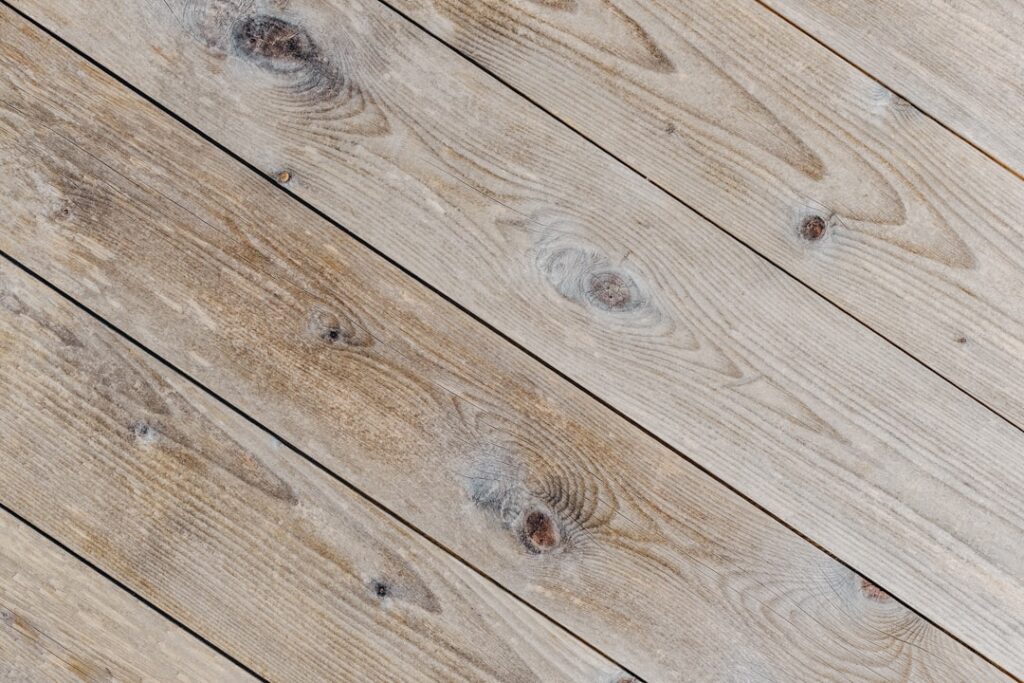
Both look like a beautiful hardwood floor once installed, but under the surface they are built completely differently, and that difference decides where each one belongs. The solid vs engineered wood flooring debate is not about which is better overall; it is about matching the right construction to your subfloor, your climate, and your budget. Put solid wood in a damp basement and it fails. Put engineered wood on the right grade and it thrives for decades. Understanding the trade-offs lets you buy once and buy right.
Construction: The Core Difference
Everything else flows from how each floor is made. Solid hardwood is exactly what it sounds like, a single piece of milled hardwood, typically 3/4 inch thick, the same species and grain top to bottom.
Engineered wood is a plywood-style sandwich. A real hardwood veneer, or wear layer, sits on top of multiple cross-layered plies of wood or high-density fiberboard. That top layer is genuine hardwood, so the surface looks identical to solid wood, but the cross-layered core is what gives engineered flooring its defining trait: dimensional stability.
Moisture and Subfloor Suitability
This is the single most important practical distinction. The cross-layered construction of engineered wood resists the expansion and contraction that moisture and humidity cause, while solid wood swells and shrinks with every seasonal change.
What that means for where you can install each:
- Solid wood: best on or above grade over a wood subfloor; not recommended for basements, over concrete slabs, or in high-humidity areas.
- Engineered wood: works above, on, and below grade, including basements and over concrete, and tolerates bathrooms and kitchens far better.
Engineered flooring also pairs well with radiant heat, where solid wood’s movement can cause gapping. If you have a concrete slab or a below-grade room, engineered wood is often the only wood floor that makes sense.
Installation Differences
The two also go down differently. Solid wood is almost always nailed or stapled to a wood subfloor, which limits it to spaces with the right structure below and generally calls for professional installation.
Engineered wood is far more flexible:
- It can be nailed down like solid wood.
- It can be glued directly to concrete.
- Many products float with a click-lock system over an underlayment, no fasteners or adhesive needed.
That floating option makes engineered wood genuinely DIY-friendly, while solid wood usually is not.
Refinishing and Longevity
Here solid wood reclaims the advantage. Because it is thick, solid hardwood can be sanded and refinished many times over its life, often 4 to 6 times or more, letting a quality floor last 50 to 100 years and adapt to changing tastes.
Engineered wood is limited by the thickness of its wear layer. A thin 1 to 2 mm veneer may allow only a light buffing or one refinish, while a premium 4 to 6 mm wear layer can be sanded 2 to 3 times. Once you sand through the veneer, the floor is done. So if multi-generational longevity and repeated refinishing matter most, solid wood wins.
Cost Comparison
Price overlaps more than people expect, and it depends heavily on species and quality. As a general framework:
- Solid hardwood: materials commonly run about $4 to $12 per square foot, plus professional nail-down installation.
- Engineered wood: spans a wide range, roughly $3 to $14 per square foot, with budget floating options at the low end and thick-veneer premium products at the high end.
Engineered wood often costs less to install, especially as a floating floor you do yourself, which can make the total project cheaper even when the material price is similar. Factor installation into any real comparison.
Where Each One Wins
Rather than declaring a universal winner, match the floor to the situation.
Choose solid wood when:
- You are installing on or above grade over a wood subfloor.
- You want maximum longevity and the ability to refinish many times.
- You are in a stable, climate-controlled home and value long-term resale prestige.
Choose engineered wood when:
- You are installing over concrete, below grade, or with radiant heat.
- Your climate swings in humidity or the room sees occasional moisture.
- You want a DIY floating installation or a lower total project cost.
Appearance and Species Options
On the surface, the two look identical because both feature real wood on top. Where they differ is in the range of formats. Engineered wood is manufactured, so it comes in wider and longer planks that stay stable, up to 7 or 8 inches wide, a look that solid wood struggles to hold without cupping. Solid wood, being milled from a board, traditionally runs narrower.
Both offer a wide array of species, from domestic oak, maple, and hickory to exotics like Brazilian cherry and acacia. Engineered products also come in more prefinished, low-gloss, and wire-brushed styles straight from the factory, while solid wood can be bought unfinished and stained on site for a fully custom color.
Environmental and Practical Considerations
There is a sustainability angle worth noting. Because engineered flooring uses a thin slice of premium hardwood over a core of faster-growing or recycled wood, it stretches the valuable top species further. That can make it a more resource-efficient choice for the same visible look.
A few other practical points round out the decision:
- Acclimation: solid wood needs longer acclimation to the room before installation to reduce movement.
- Sound and feel: nailed solid wood over a subfloor feels solid; a floating engineered floor can sound slightly hollow without good underlayment.
- Resale: both are viewed as real wood by buyers, though solid retains a slight prestige edge in high-end homes.
- Repairs: individual boards are easier to replace in a nailed floor than in a glued or locked one.
Warranty and Long-Term Value
Warranties reveal how manufacturers view each product. Solid hardwood is often sold unfinished or with a finish warranty, and its true value is the decades of refinishing potential that let it outlive several remodels. Engineered floors typically carry finish and structural warranties that can stretch 15 to 30 years or more, reflecting confidence in the stable core.
For long-term value, think about how long you will stay and what your space demands. In a forever home with a dry, above-grade wood subfloor, solid wood’s refinishing lifespan can make it the better lifetime investment. In a home with concrete slabs, basements, or humidity swings, engineered wood delivers a real-wood look that will actually last in those conditions, which is the more valuable outcome there.
The Bottom Line
In the solid vs engineered wood flooring decision, construction dictates everything downstream. Solid wood offers unmatched longevity and refinishing but demands the right dry, above-grade subfloor. Engineered wood trades some refinishing potential for real moisture resistance, broader installation options, and easier DIY. Assess your subfloor and climate first, weigh how long you plan to keep the floor, and the right choice becomes obvious. Both deliver a stunning real-wood surface; the winner is simply the one that fits your space.
Prefer to explore on your own?
See how new flooring looks in your actual room in seconds — free, no signup.
Try the free Floor Studio →