The debate between hardwood vs engineered hardwood is one of the most common flooring decisions homeowners face. Both options give you a real wood surface with natural beauty and warmth, but they differ significantly in construction, cost, installation flexibility, moisture resistance, and long-term refinishing potential. Solid hardwood has been the gold standard for centuries, while engineered hardwood has rapidly gained market share by solving many of solid wood’s weaknesses — particularly in below-grade installations and over radiant heat systems.
This comprehensive comparison breaks down every factor that matters so you can make an informed decision based on your specific home, climate, budget, and lifestyle.
Construction: How They Are Made
Solid Hardwood
Solid hardwood is exactly what the name implies — a single piece of wood milled from a log, typically 3/4 inch thick. Each plank is a uniform, solid slab of a single wood species such as oak, maple, hickory, or walnut. The wood is kiln-dried to a moisture content of 6% to 9% before milling to tongue-and-groove profiles. Because it is a single piece of natural wood, solid hardwood expands and contracts with changes in humidity and temperature.
Engineered Hardwood
Engineered hardwood is a layered product. The top layer — called the wear layer or veneer — is real hardwood, typically 1mm to 6mm thick. Below that are multiple layers of plywood, high-density fiberboard (HDF), or hardwood arranged in a cross-grain pattern. This cross-grain construction is the key engineering innovation: by alternating the direction of each layer, the plank resists the expansion and contraction that plagues solid wood. Total thickness ranges from 3/8 inch to 3/4 inch depending on the product.
Side-by-Side Comparison Table
| Feature | Solid Hardwood | Engineered Hardwood |
|---|---|---|
| Construction | Single piece of wood (3/4″) | Real wood veneer over plywood layers |
| Wear Layer Thickness | Full 3/4″ (can sand many times) | 1mm – 6mm (sand 1–3 times) |
| Material Cost per sq ft | $5 – $15 | $3 – $14 |
| Installation Cost per sq ft | $3 – $8 | $3 – $7 |
| Installation Methods | Nail-down only | Float, glue-down, nail-down, staple |
| Moisture Resistance | Poor — expands/contracts significantly | Good — dimensionally stable |
| Basement Installation | Not recommended | Yes (with moisture barrier) |
| Radiant Heat Compatible | Limited (thin profiles only) | Yes (most products approved) |
| Refinishing | Unlimited (8–10+ times over lifetime) | 1–3 times depending on wear layer |
| Lifespan | 75 – 100+ years | 30 – 50+ years |
| Resale Value Impact | Excellent | Very Good |
| DIY Friendliness | Moderate (nail gun required) | Easy (floating click-lock available) |
| Best For | Above-grade, dry climates, long-term homes | Any level, humid climates, versatile installation |
Appearance and Aesthetics
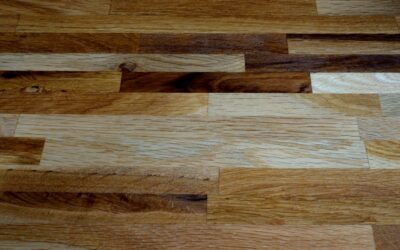
When properly manufactured, solid and engineered hardwood are visually indistinguishable once installed. Both feature a real wood surface with natural grain patterns, knots, and color variation. The difference is only visible from the side or bottom of a plank.
Where appearance differences may arise:
- Plank width: Engineered hardwood is available in wider planks (up to 9+ inches) than solid hardwood because the cross-layer construction prevents cupping. Solid hardwood wider than 5 inches is more prone to seasonal cupping and gapping.
- Species variety: Both are available in all popular species — oak, maple, hickory, walnut, cherry, and exotic woods. Engineered versions of expensive exotics (like Brazilian cherry) cost significantly less because only the thin top layer uses the premium wood.
- Finish quality: Factory-finished engineered hardwood often has a more uniform, durable finish than site-finished solid hardwood. The aluminum oxide finishes applied in factory conditions exceed what most on-site finishes achieve.
For a detailed look at solid options, visit our solid wood flooring guide.
Refinishing: The Biggest Difference
Refinishing potential is where solid hardwood has its most significant advantage. This single factor drives many purchasing decisions.
Solid Hardwood Refinishing
A 3/4-inch solid hardwood floor can be sanded and refinished 8 to 10 times or more over its lifetime. Each sanding removes approximately 1/32 inch of material — meaning the floor has decades of refinishing capacity. This is why solid hardwood floors in historic homes can look brand-new after 100+ years. You can change stain colors, switch from matte to gloss, repair deep scratches, and remove wear patterns completely with each refinishing.
Engineered Hardwood Refinishing
Engineered hardwood can be refinished, but the number of times depends entirely on the wear layer thickness:
- 1–2mm wear layer: Cannot be sanded. Screen-and-recoat only (applies a new finish coat without sanding into the wood).
- 2–3mm wear layer: Can be sanded and refinished once, carefully.
- 4–6mm wear layer: Can be sanded and refinished 2 to 3 times — approaching (but not matching) solid hardwood’s capacity.
Key takeaway: If you want a floor that will last 50+ years with multiple full refinishings, solid hardwood is the clear choice. If you plan to replace flooring within 20 to 30 years or are satisfied with screen-and-recoat maintenance, engineered hardwood performs admirably.
Moisture Resistance and Dimensional Stability
This is where engineered hardwood wins decisively. The cross-grain plywood construction counteracts the natural tendency of wood to expand across the grain when it absorbs moisture and contract when it dries out.
Solid Hardwood and Moisture
Solid hardwood is highly reactive to humidity changes. In humid summers, planks absorb moisture and expand — potentially causing cupping (edges higher than center) or buckling in extreme cases. In dry winters (especially in heated homes), planks lose moisture and contract — opening visible gaps between boards. These seasonal changes are normal and expected, but they limit where solid hardwood can be installed.
Recommended humidity range: 35% to 55% relative humidity. Maintaining this range year-round with humidifiers and dehumidifiers is essential for solid hardwood performance.
Engineered Hardwood and Moisture
Engineered hardwood experiences roughly 50% less expansion and contraction than solid hardwood under the same humidity fluctuations. This stability means:
- Wider planks are practical without excessive cupping risk
- Installation in humid climates (Southeast US, Pacific Northwest) is more reliable
- Below-grade installation (basements) is possible
- Less seasonal gapping even without strict humidity control
Important caveat: Engineered hardwood is moisture-resistant, not waterproof. Standing water will damage both solid and engineered wood floors. Neither type belongs in bathrooms or laundry rooms where flooding risk is high.
Learn more about engineered options at our engineered wood flooring page.
Cost Comparison
The cost difference between solid and engineered hardwood is smaller than most people expect. Mid-range products in both categories overlap significantly.
| Cost Category | Solid Hardwood | Engineered Hardwood |
|---|---|---|
| Budget tier (per sq ft) | $5 – $7 (red oak, select grade) | $3 – $5 (thin veneer, basic species) |
| Mid-range (per sq ft) | $7 – $10 (white oak, hickory) | $5 – $9 (thick veneer, wide plank) |
| Premium (per sq ft) | $10 – $15+ (walnut, exotics) | $9 – $14+ (European oak, hand-scraped) |
| Installation (per sq ft) | $3 – $8 (nail-down only) | $3 – $7 (float, glue, or nail) |
| Total installed — 500 sq ft room | $4,000 – $11,500 | $3,000 – $10,500 |
Long-term cost analysis: Solid hardwood’s ability to be refinished repeatedly means its per-year cost decreases dramatically over decades. A $10/sqft solid hardwood floor that lasts 80 years and is refinished 4 times (at $3/sqft each) costs roughly $0.28/sqft per year. A $7/sqft engineered floor lasting 35 years with one refinishing costs approximately $0.29/sqft per year — nearly identical. The difference is that solid hardwood’s cost advantage grows the longer you keep it.
Installation Methods
Solid Hardwood Installation
Solid hardwood must be nail-down installed on a wood subfloor (plywood or OSB). It requires a pneumatic flooring nailer or stapler, and the subfloor must be structurally sound and flat. Solid hardwood cannot be floated, cannot be glued to concrete, and should not be installed below grade. Installation requires acclimating the wood in the room for 3 to 7 days before installation.
Engineered Hardwood Installation
Engineered hardwood offers three installation methods, giving it far more versatility:
- Floating (click-lock): Planks snap together and float over the subfloor with an underlayment. The easiest DIY method — no specialized tools needed.
- Glue-down: Planks are bonded directly to concrete or plywood with flooring adhesive. Creates the most solid feel underfoot.
- Nail/staple-down: Same as solid hardwood installation on wood subfloors.
The floating installation option is a major advantage for DIYers. Click-lock engineered hardwood can be installed in a weekend without renting a flooring nailer or hiring a professional.
Radiant Heat Compatibility
If you have or plan to install radiant floor heating, engineered hardwood is the strongly preferred choice. The cross-grain construction handles the temperature fluctuations of radiant systems without excessive expansion, contraction, or gapping.
Engineered hardwood over radiant heat: Most manufacturers approve their engineered products for radiant heat use. The thinner overall profile and stable construction transfer heat efficiently while maintaining dimensional stability. Surface temperatures should not exceed 85°F.
Solid hardwood over radiant heat: Some solid hardwood species in narrow plank widths (3 inches or less) can work over radiant heat, but many manufacturers void their warranty for radiant installations. The risk of gapping, cupping, and cracking is significantly higher. Quarter-sawn boards perform better than flat-sawn over radiant systems.
Basement Suitability
Solid hardwood: Not recommended for basements. Below-grade installations expose flooring to higher humidity and potential moisture intrusion from concrete slabs. Solid hardwood in basements frequently cups, buckles, or develops mold on the underside.
Engineered hardwood: Suitable for basements when installed with proper moisture precautions. Use a moisture barrier (6-mil poly or a membrane underlayment) over the concrete slab, verify the slab’s moisture emissions are within acceptable limits, and ensure the basement has functional dehumidification. Floating installation is preferred over glue-down in basements because it allows the floor to respond to moisture without bonding stress.
Resale Value
Both solid and engineered hardwood add significant resale value to a home — consistently ranking as the number one flooring type that home buyers prefer.
Solid hardwood: Adds an estimated 2.5% to 5% to home value. Buyers and real estate agents view solid hardwood as a premium, permanent feature. The “unlimited refinishing” story resonates with buyers planning to stay long-term.
Engineered hardwood: Adds an estimated 2% to 4% to home value. High-quality engineered hardwood with a thick wear layer is perceived nearly identically to solid by most buyers. Budget-engineered products with thin veneers may be seen as closer to laminate in value.
The bottom line on resale: The quality and appearance of the specific product matters more than whether it is solid or engineered. A beautiful, well-maintained wide-plank engineered European oak floor will impress buyers more than a scratched, worn solid red oak floor. Choose quality within your budget regardless of category.
Explore all hardwood flooring options in our hardwood flooring guide.
Frequently Asked Questions
Is engineered hardwood real wood?
Yes. Engineered hardwood has a real hardwood top layer — the surface you see, walk on, and touch is genuine wood with natural grain and variation. Only the underlying layers are plywood or HDF. When installed, engineered hardwood looks and feels identical to solid hardwood. It is completely different from laminate flooring, which uses a photographic image of wood rather than actual wood.
Which lasts longer, solid or engineered hardwood?
Solid hardwood has a longer potential lifespan — 75 to 100+ years with periodic refinishing. Engineered hardwood lasts 30 to 50+ years depending on wear layer thickness and maintenance. However, most homeowners renovate or move well within engineered hardwood’s lifespan, making the theoretical longevity advantage of solid hardwood less relevant for many buyers.
Can engineered hardwood be refinished?
Yes, but with limitations. Engineered hardwood with a 4mm to 6mm wear layer can be sanded and refinished 2 to 3 times. Products with thinner wear layers (1mm to 2mm) can only be screen-and-recoated, which applies a new finish without sanding into the wood. Always check the manufacturer’s specifications for your specific product before refinishing.
Is solid hardwood worth the extra cost?
Solid hardwood is worth the extra cost if you plan to live in the home for 20+ years, want unlimited refinishing potential, and are installing on an above-grade wood subfloor with controlled humidity. If you are installing in a basement, over concrete, over radiant heat, or plan to move within 15 years, engineered hardwood offers better value and performance for your situation.
Can I install solid hardwood in a kitchen?
Yes, solid hardwood can be installed in kitchens and performs well with proper care. The key is wiping up water spills immediately — standing water is the enemy, not occasional splashes. Use mats in front of the sink, dishwasher, and refrigerator (common leak sources). Many historic homes have solid hardwood kitchen floors that have lasted 50+ years.
Which is better for dogs — solid or engineered hardwood?
Neither has a meaningful advantage over the other for pet resistance — both scratch equally because the surface is real wood. Choose a hard species (hickory or white oak), opt for a matte or wire-brushed finish that disguises scratches, and keep pet nails trimmed. The real difference is that solid hardwood can be sanded to remove deeper pet scratches more times than engineered.
Prefer to explore on your own?
See how new flooring looks in your actual room in seconds — free, no signup.
Try the free Floor Studio →