Most homeowners know SPC as the rigid-core luxury vinyl plank that looks like wood. Fewer know that the same material comes in tile format — 12×24-inch and 18×24-inch squares that mimic porcelain, marble, and travertine at a fraction of the cost and install time. SPC tile flooring has quietly become the smart alternative to traditional ceramic tile for homeowners who want the stone-and-tile aesthetic without the grout maintenance, weight concerns, and installation complexity. This guide covers what SPC tile actually is, how it compares to porcelain, and which products are worth specifying.
Part of our Tile & Grout guide — explore the full guide →
What SPC Tile Actually Is
SPC stands for Stone Plastic Composite — a rigid flooring core made from approximately 70% calcium carbonate (limestone), PVC, stabilizers, and plasticizers. The same core used in SPC plank products is molded into tile-shaped planks, printed with stone or ceramic visuals, and finished with commercial-grade urethane wear layers. The result is a dimensionally stable, waterproof, click-lock tile that installs over most existing hard surfaces.
Standard construction layers mirror SPC plank:
- Commercial UV-cured urethane wear layer (12-28 mils)
- High-resolution printed design film (stone, marble, travertine patterns)
- SPC rigid core (4-5 mm)
- Attached IXPE or cork underlayment (1-1.5 mm)
Tile Format Options
SPC tile comes in larger-format sizes than traditional LVP:
- 12 x 24 inches — classic tile format, most popular specification
- 16 x 32 inches — contemporary large-format look
- 18 x 24 inches — alternate rectangle format
- 24 x 24 inches — modern square tile, common in commercial
- 24 x 48 inches — dramatic large-format, growing residential segment
Thicker formats (5.5-6 mm) are available for commercial spec, with 4-4.5 mm being standard residential.
Visual Authenticity
Modern SPC tile delivers convincing stone and ceramic visuals at normal viewing distances. Current design libraries offer:
- Carrara and Calacatta marble reproductions with realistic veining
- Travertine with warm honey and beige tones
- Slate patterns with natural texture and color variation
- Concrete and cement-look patterns — popular modern specification
- Terrazzo chip patterns
- Traditional ceramic tile patterns at 1:1 scale
Premium products include 30-60 unique pattern variations per SKU to avoid the repeating-tile look of budget products. Micro-embossing tracks print patterns so grain, veining, and texture align with visual elements.
Leading SPC Tile Products
- Coretec Stone: 12×24 and 18×36 stone-look lines with realistic grout-line visuals, 20-mil wear layer — $3.50-$5.50 per sq ft
- Shaw Floorte Tile Plus: commercial-grade 12×24 SPC tile with 20-mil wear layer — $4-$6 per sq ft
- Karndean Korlok Stone Select: premium marble and travertine reproductions — $5-$8 per sq ft
- Mannington Adura Max Tile: mid-tier 18×24 stone-look with micro-bevel edges — $3.50-$5 per sq ft
- Armstrong Rigid Core Essentials Tile: value-forward 12×24 with 12-mil wear layer — $2.50-$4 per sq ft
SPC Tile vs. Porcelain Tile
The most honest comparison for this product category is not other vinyl — it is porcelain. Side by side:
Where SPC Tile Wins
- 50-70% lower installed cost — $5-$9 per sq ft vs. $9-$18 for porcelain
- Significantly faster install — 1-2 days vs. 3-5 for tile
- DIY-friendly click-lock vs. thinset setting
- Warmer underfoot than porcelain
- No grout to stain, crack, or reseal
- Lighter weight — acceptable for upper floors without structural reinforcement
- Softer on dropped glassware
Where Porcelain Still Wins
- Genuine stone material — some buyers value authenticity
- Unlimited service life (50+ years common)
- Better heat tolerance near fireplaces and wood stoves
- Higher resale value impact in premium homes
- Can be refreshed with color-matched grout cleaning
- Stronger scratch resistance in the long term
For kitchens, bathrooms, laundry rooms, and mudrooms in the $200-$500K home market, SPC tile delivers 90% of the porcelain aesthetic at 50-60% the total cost. For high-end homes where material authenticity drives value, porcelain remains the stronger specification.
Installation Process
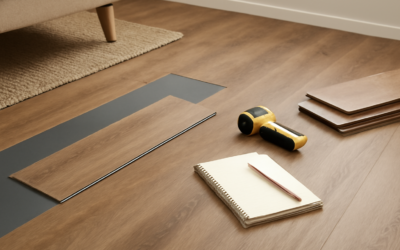
SPC tiles install like SPC plank — a floating click-lock system with attached underlayment. Key steps:
- Subfloor prep — level to 3/16 inch over 10 feet, clean and dry
- Acclimate tiles in install space 48 hours minimum
- Install starting at longest wall with 1/4-inch expansion gap around perimeter
- Run pattern across the length of the room to minimize visual break
- Use tapping block and pull bar to seat locking edges without damage
- Cut with jigsaw or oscillating multi-tool for outlets and transitions
- Install transitions, quarter round, and baseboards to cover expansion gap
A two-person team can install 300-500 square feet per day of these rigid-core tiles. Compare that to porcelain tile installs running 150-250 sq ft per day for skilled teams.
Where SPC Tile Shines
- Bathrooms: fully waterproof with no grout lines to maintain
- Kitchens: realistic stone visuals, forgiving on dropped dishes
- Laundry rooms: waterproof, warm underfoot
- Basements: handles minor slab moisture well, installs over imperfect surfaces
- Entryways: tile aesthetic with durable wear layer
- Rental properties: fast install, replaceable if damaged
Limitations to Know
SPC tile is not universal. Avoid it in:
- Areas with direct fireplace or wood stove proximity (heat deformation possible)
- Outdoor covered patios exposed to freeze-thaw cycles
- Sun-exposed four-season rooms with prolonged 140°F+ surface temperatures
- Homes where stone or porcelain authenticity is required for resale positioning
Maintenance
SPC tile maintenance is refreshingly simple. Sweep or vacuum weekly with hard-floor attachment. Damp-mop with pH-neutral cleaner (Bona Pro Stone or dedicated LVP cleaner). Avoid steam mops, ammonia-based cleaners, and abrasive scrubbers. Spot-replace damaged tiles if needed — store 5-10 extra tiles from the original install lot.
Realistic All-In Cost
A 500-square-foot kitchen remodel with mid-tier SPC tile:
- SPC tile material at $4.50 per sq ft: $2,475 (includes 10% overage)
- Underlayment if additional over attached layer: $150-$300
- Professional installation: $1,500-$2,500
- Trim, transitions, and removal of old floor: $400-$800
All-in: $4,525-$6,075. For the same kitchen in porcelain tile, expect $8,000-$12,000 installed.
The Right Buyer
SPC tile flooring is the right specification for homeowners who want the timeless look of stone or ceramic without the installation complexity, cost, or maintenance. It is an honest alternative — not a fake pretending to be tile, but a modern engineered material that delivers most of porcelain’s benefits in a faster, more forgiving, and more affordable format.
Prefer to explore on your own?
See how new flooring looks in your actual room in seconds — free, no signup.
Try the free Floor Studio →