Hardwood stairs look beautiful right up until someone in socks takes a spill on them. That is the exact problem stair rug treads solve. These individual carpet pieces cover the middle of each step, adding grip where you need it most while leaving the attractive wood edges exposed. They are one of the cheapest, fastest safety upgrades you can make in a home, and they do double duty by muffling footsteps and protecting the finish from wear. I have installed them for families with toddlers, aging parents, and rambunctious dogs, and the difference in traction is immediate.
Part of our Stairs & Stair Flooring guide — explore the full guide →
This guide covers the materials worth buying, how to size and place treads, the right way to secure them so they never slide, and the maintenance that keeps them looking sharp.
- What Stair Rug Treads Are and Why They Help
- Choosing the Right Material
- Sizing and Placement
- How to Install Stair Rug Treads Securely
- Popular Styles and Looks
- Cleaning and Maintenance
- Treads Versus a Full Runner
- Common Mistakes to Avoid
- How Many Treads You Need
- Safety Considerations for Every Household
- The Bottom Line
What Stair Rug Treads Are and Why They Help
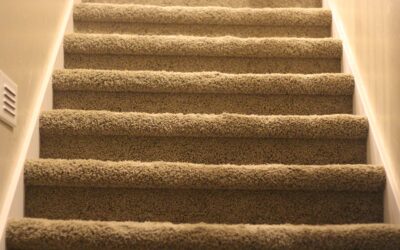
Stair rug treads are small rectangular rugs, typically 8 to 9 inches deep and 24 to 30 inches wide, designed to sit on the horizontal part of each step. Unlike a full runner that covers the entire staircase, treads leave a border of finished wood visible on both sides, giving you a clean, tailored look with far less material and no professional installation.
The benefits stack up quickly. They provide crucial traction on slick wood or laminate, reduce the sharp echo of foot traffic, shield high-wear steps from scuffs, and give pets confident footing so they stop slipping and scrambling. For a modest investment, you address safety, noise, and protection all at once.
Choosing the Right Material
Material determines how the treads feel, how long they last, and how easy they are to clean. Match the choice to your traffic level and household.
- Wool: Premium, durable, and naturally stain resistant with a soft feel. Best for formal homes; expect to pay more per tread.
- Nylon: The workhorse synthetic. Tough, resilient, and budget friendly for busy staircases.
- Polypropylene (olefin): Very affordable and moisture resistant, good for high-traffic or humid areas, though less plush.
- Bamboo or seagrass: A natural, textured look with excellent grip, ideal for coastal and modern styles.
- Rubber-backed sets: Come with built-in non-slip backing, the easiest option for renters and quick installs.
Sizing and Placement
Getting the fit right is what separates a polished look from a sloppy one. Measure the depth and width of your steps before buying. Most residential stairs have treads 9 to 11 inches deep, and your rug tread should cover the majority of that depth while leaving a small margin at the front nosing and back riser.
For placement, center each tread left to right so you get an even wood border on both sides, usually 2 to 4 inches. Keep the tread back about half an inch to an inch from the front edge of the step so your heel lands on carpet, not on the slick nosing. Consistency is everything; use a spacer or a strip of tape as a guide so every tread lines up identically down the flight.
How to Install Stair Rug Treads Securely
A tread that slides is more dangerous than no tread at all, so secure attachment is non-negotiable. There are three reliable methods, and you can combine them for maximum hold.
Double-Sided Carpet Tape
The most common approach. Apply strips of heavy-duty double-sided tape in a rectangle near the edges and an X across the middle of the tread’s underside, press the tread firmly into position, and hold for 30 seconds. Clean the wood first with rubbing alcohol so the tape bonds well.
Non-Slip Rubber Pads
Gripper pads or rug underlay cut to size add friction without adhesive residue, making them ideal for renters. They work best combined with tape on very slick stairs.
Peel-and-Stick Treads
Many modern sets come with pre-applied adhesive backing. Just peel and press. These are the fastest option and hold well on clean, dry wood, though they are less repositionable.
Popular Styles and Looks
Beyond safety, treads are a chance to add character. Classic solid colors in gray, beige, or navy suit almost any decor and hide dirt well. Bordered treads with a contrasting edge give a tailored, custom feel. Patterned options like herringbone, geometric, or Persian-inspired designs turn a plain staircase into a focal point. For a cohesive look, pick treads that coordinate with a runner or rug in the adjoining hallway rather than matching them exactly.
Cleaning and Maintenance
Stairs collect concentrated foot traffic, so treads need regular care. Vacuum them once or twice a week using a handheld vacuum or a hose attachment, going with the pile direction. Spot-clean spills promptly by blotting with a mild soap solution and a white cloth, working from the outside in.
Many rubber-backed and washable treads can go in the washing machine on a gentle cycle and air dry, which is a major convenience for households with kids and pets. Rotate or swap treads occasionally if some steps wear faster than others. Lift and reposition tape-mounted treads every few months to check the adhesive and prevent grit buildup underneath.
Treads Versus a Full Runner
Homeowners often weigh individual treads against a continuous runner. Treads win on cost, ease of DIY installation, and showing off beautiful wood, and they are simple to remove or replace one at a time. A full runner offers more complete coverage, a more traditional and upscale look, and edge-to-edge sound dampening, but it costs more and usually calls for professional installation with tackless strips or staples. For most homeowners prioritizing safety and simplicity, treads are the smarter starting point.
Common Mistakes to Avoid
- Skimping on adhesion: A loose tread is a fall hazard. Use enough tape and clean the surface first.
- Placing treads too far forward: Leave a small gap at the nosing so the tread does not curl over the edge.
- Uneven spacing: Eyeballing placement leads to a crooked staircase. Use a measured guide.
- Ignoring pile direction: Mismatched nap makes the flight look patchy. Install all treads the same way.
How Many Treads You Need
Estimating quantity is simple. Count your steps, but do not automatically include the bottom landing or the top floor level, since those are usually covered by other flooring. A standard staircase has 12 to 15 steps, so most sets are sold in packs of 13 or 15 to match. If your staircase turns with winder steps, measure those pie-shaped treads separately, because they are wider at one end and standard rectangular treads may not fit well.
Buy an extra tread or two beyond your count. Treads on the most-used steps wear faster, and having spares lets you rotate or replace individual pieces without rebuying the whole set or ending up with a mismatched dye lot later.
Safety Considerations for Every Household
Treads deliver the most value in homes with specific safety needs. For households with young children learning to climb, the added grip prevents slips on socked feet. For aging-in-place situations, treads combined with a secure handrail dramatically reduce fall risk on the most dangerous surface in the home. Pet owners see immediate benefits too, as dogs and cats gain traction instead of scrambling on slick wood. Just be sure every tread is firmly anchored, because a loose one creates the very hazard you are trying to eliminate.
The Bottom Line
Stair rug treads are one of the highest-value upgrades a homeowner can make, delivering real slip protection, quieter steps, and finish protection for a modest price and an afternoon of work. Choose a durable material suited to your traffic, size the treads to leave an even wood border, and secure them properly with tape, gripper pads, or peel-and-stick backing so they never budge. Keep them vacuumed and spot-cleaned, and they will keep your staircase safe and stylish for years. Whether your priority is protecting little feet or steadying an older relative, well-installed treads pay for themselves in confidence with every single step.