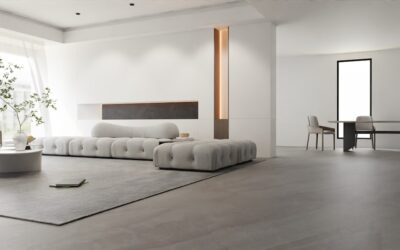
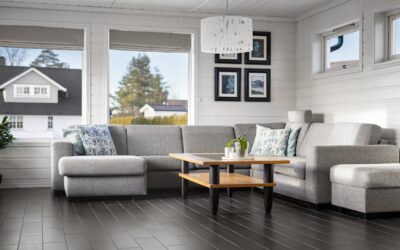
Stone vinyl flooring gives you the elegant, timeless appearance of natural stone without the high price tag, heavy weight, or cold underfoot feel. Whether you want the look of travertine in your bathroom, slate in your entryway, or marble in your kitchen, modern stone-look vinyl delivers impressively realistic results at a fraction of the cost.
- What Is Stone Vinyl Flooring?
- Types of Stone Vinyl Flooring
- Luxury Vinyl Tile (LVT)
- SPC (Stone Polymer Composite) Vinyl
- WPC (Wood Polymer Composite) Vinyl
- Sheet Vinyl
- Peel-and-Stick Vinyl Tile
- Popular Stone Looks Available in Vinyl
- Top Brands for Stone Vinyl Flooring
- Stone Vinyl Flooring in Bathrooms and Kitchens
- Stone Vinyl Flooring vs Real Stone
- Installation Tips for Stone Vinyl Flooring
- Maintenance and Care
- Pricing and Budget Considerations
- Final Thoughts
In this guide, we cover everything you need to know about stone vinyl flooring, from the different types available to the best brands, installation methods, and how it compares to real stone.
What Is Stone Vinyl Flooring?
Stone vinyl flooring is a type of vinyl floor product designed to replicate the look and texture of natural stone materials such as marble, travertine, slate, limestone, and concrete. Advances in digital printing and embossed-in-register (EIR) technology allow manufacturers to create remarkably realistic stone textures, veining, and color variations on a vinyl surface.
These products come in several formats, including luxury vinyl tile (LVT), stone polymer composite (SPC), sheet vinyl, and peel-and-stick tiles. Each format offers different benefits in terms of durability, installation ease, and realism.
Why Stone Vinyl Has Become So Popular
Several factors have driven the popularity of stone vinyl flooring in recent years:
- Cost savings: Natural stone flooring can cost $10 to $30 per square foot installed, while stone vinyl typically runs $3 to $8 per square foot.
- Waterproof performance: Unlike some natural stones that require sealing, vinyl is inherently waterproof.
- Comfort underfoot: Vinyl with an attached pad is warmer and softer than cold stone.
- DIY-friendly installation: Click-lock vinyl tiles are far easier to install than mortared stone.
- Realistic appearance: Modern printing technology makes it difficult to distinguish vinyl from real stone at a glance.
Types of Stone Vinyl Flooring
Understanding the different formats helps you choose the right stone vinyl product for your specific needs and budget.
Luxury Vinyl Tile (LVT)
LVT is the most popular format for stone-look vinyl. These individual tiles typically come in square or rectangular shapes that mimic real stone tile dimensions. Vinyl flooring in the LVT format features multiple layers including a wear layer, printed design layer, core layer, and backing.
LVT stone-look tiles are available in both glue-down and click-lock versions. The glue-down option provides a thinner profile and more stable feel, while click-lock versions are easier to install as a floating floor.
SPC (Stone Polymer Composite) Vinyl
SPC flooring uses a rigid core made from limestone powder and PVC, creating an exceptionally stable and durable product. SPC stone-look tiles are particularly well-suited for areas with temperature fluctuations or uneven subfloors because the rigid core resists expansion, contraction, and telegraphing of subfloor imperfections.
SPC vinyl typically features a thicker wear layer (12 to 22 mil) and can handle heavy foot traffic, making it ideal for kitchens, bathrooms, and commercial spaces.
WPC (Wood Polymer Composite) Vinyl
WPC vinyl uses a foamed core that provides more cushion and sound absorption than SPC. While slightly less rigid, WPC stone-look tiles offer superior comfort underfoot and better acoustic properties. They work well in residential settings where comfort is a priority.
Sheet Vinyl
Sheet vinyl with stone patterns comes in large rolls (6 or 12 feet wide) that minimize seams. This format is the most budget-friendly option and provides excellent moisture protection since there are fewer seams for water to penetrate. However, sheet vinyl typically looks less realistic than LVT or SPC alternatives.
Peel-and-Stick Vinyl Tile
Self-adhesive vinyl tiles with stone patterns offer the easiest and most affordable installation. They work well for quick updates in low-traffic areas but are generally less durable and realistic than other formats.
Popular Stone Looks Available in Vinyl
The range of stone aesthetics available in vinyl has expanded dramatically. Here are the most popular styles:
Travertine
Travertine-look vinyl captures the warm, creamy tones and subtle pitting of natural travertine. It is a popular choice for bathrooms, kitchens, and entryways, offering a Mediterranean or traditional aesthetic. The best products include realistic grout lines and surface texture.
Marble
Marble-look vinyl replicates the dramatic veining and polished surface of Carrara, Calacatta, or Emperador marble. These tiles can create a high-end, luxurious look at a fraction of the cost of real marble. Large-format tiles (18×36 inches or larger) look particularly convincing.
Slate
Slate-look vinyl features the cleft texture and earthy color variations of natural slate. Available in dark charcoal, multicolor, and rustic brown tones, slate vinyl works well in entryways, mudrooms, and rustic-style kitchens.
Limestone and Sandstone
These lighter stone looks offer a clean, contemporary aesthetic. Limestone-look vinyl typically features subtle fossil-like inclusions and soft beige or grey tones, while sandstone versions showcase warm, golden hues.
Concrete
Concrete-look vinyl has surged in popularity alongside industrial and modern design trends. These tiles capture the raw, minimalist appearance of polished concrete with subtle color variation and surface imperfections.
Top Brands for Stone Vinyl Flooring
Several manufacturers stand out for their quality, realism, and value in the stone-look vinyl category:
Mannington
Mannington Adura Max tiles are widely regarded as some of the most realistic stone-look LVT on the market. Their patented Mannington technologies deliver exceptional surface texture and depth of pattern. The Adura Max line includes travertine, slate, and concrete looks with a waterproof rigid core.
COREtec
COREtec Stone is a dedicated stone-look line featuring large-format tiles with an SPC core. Their patented CoreTec Plus technology provides excellent dimensional stability, and the attached cork backing adds comfort and sound absorption.
Armstrong Flooring
Armstrong offers stone-look options across multiple product lines, from budget-friendly sheet vinyl to premium Luxe Plank with Rigid Core tiles. Their Vivero line includes several realistic stone patterns with a lifetime residential warranty.
MSI (M S International)
MSI Everlife LVT includes a strong collection of stone looks, particularly in their Cyrus and Harlow series. MSI products are widely available at home improvement stores and offer good value for the price.
Shaw Floorte
Shaw’s Floorte Pro and Floorte Plus collections include several stone-look options with their patented LifeGuard waterproof core. Shaw products are backed by strong warranties and are available through a large dealer network.
Stone Vinyl Flooring in Bathrooms and Kitchens
Stone vinyl is an excellent choice for wet areas where real stone might present challenges. Here is why it works so well in these spaces.
Bathroom Suitability
Bathrooms are arguably the best room in the house for stone vinyl flooring. The waterproof properties of vinyl make it ideal for bathrooms where standing water, humidity, and temperature changes are constant concerns. Unlike real stone, vinyl does not need sealing and will not stain from bath products or cosmetics.
Stone-look vinyl tiles in marble or travertine patterns can transform a bathroom into a spa-like retreat. Large-format tiles with minimal grout lines create a seamless, upscale appearance.
Kitchen Performance
In kitchens, stone vinyl handles the demands of daily cooking and foot traffic admirably. It resists stains from food and beverages, is comfortable to stand on during extended meal preparation, and cleans up easily. The waterproof construction also protects against spills and dishwasher leaks.
Stone Vinyl Flooring vs Real Stone
Understanding the key differences helps you make an informed decision between stone vinyl and natural stone flooring.
| Feature | Stone Vinyl Flooring | Natural Stone Flooring |
|---|---|---|
| Cost (installed) | $3 – $8 per sq ft | $10 – $30 per sq ft |
| Waterproof | Yes, inherently | Requires sealing |
| Comfort | Warm, soft underfoot | Cold, hard |
| Installation | DIY-friendly | Professional recommended |
| Durability | 15-25 year lifespan | 50+ year lifespan |
| Resale value | Moderate | High |
| Maintenance | Sweep and mop | Seal periodically |
| Authenticity | Very realistic | Genuine material |
Real natural stone flooring remains the superior choice for homeowners who prioritize authenticity, longevity, and resale value. However, stone vinyl wins on affordability, comfort, ease of installation, and maintenance.
Installation Tips for Stone Vinyl Flooring
Proper installation ensures your stone vinyl floor looks its best and performs well for years. Follow these guidelines for the best results.
Subfloor Preparation
A clean, flat, and dry subfloor is essential. For click-lock products, the subfloor should be flat within 3/16 inch over 10 feet. Fill any dips, sand down high spots, and remove debris before beginning installation.
Acclimation
Allow vinyl tiles to acclimate in the room where they will be installed for at least 48 hours. This ensures the material adjusts to the room temperature and humidity, reducing the risk of expansion or contraction issues after installation.
Layout Planning
Dry-fit several rows before committing to your layout. Stone-look tiles often look best when you stagger the joints and mix tiles from different boxes to randomize pattern repeats. For large-format tiles, starting from the center of the room can create a more balanced appearance.
Grout or No Grout
Some stone-look vinyl tiles are designed for grout-free installation with built-in micro-bevels that simulate grout lines. Others can be installed with actual grout for a more authentic stone tile appearance. If using grout, choose a flexible, acrylic-based grout designed for vinyl flooring rather than standard cement grout.
Maintenance and Care
One of the biggest advantages of stone vinyl over real stone is the minimal maintenance required. A regular cleaning routine keeps stone vinyl looking pristine:
- Daily: Sweep or vacuum with a soft brush attachment to remove grit and debris.
- Weekly: Damp mop with a vinyl-safe cleaner or a solution of warm water and a few drops of dish soap.
- Monthly: Deep clean with a manufacturer-recommended vinyl floor cleaner.
- Avoid: Steam mops, abrasive cleaners, wax-based products, and rubber-backed mats that can cause discoloration.
Pricing and Budget Considerations
Stone vinyl flooring pricing varies by product type and quality level:
- Peel-and-stick tiles: $1 to $3 per square foot
- Sheet vinyl: $1.50 to $4 per square foot
- Standard LVT: $3 to $6 per square foot
- Premium SPC/WPC: $4 to $8 per square foot
- Professional installation: Add $2 to $4 per square foot
For a 300-square-foot kitchen, expect to pay between $900 and $2,400 for materials, or $1,500 to $3,600 installed professionally. This compares favorably to natural stone, which would cost $3,000 to $9,000 for the same space.
Final Thoughts
Stone vinyl flooring has reached a point where the gap between imitation and reality is remarkably narrow. For homeowners who love the look of natural stone but want a more practical, affordable, and comfortable alternative, stone-look vinyl delivers on every front. With proper selection and installation, you can enjoy the beauty of stone in any room of your home without the drawbacks of the real thing.
Focus on reputable brands with realistic textures, choose the right core type for your space, and follow manufacturer guidelines for installation and care. Your stone vinyl floor will reward you with years of beauty and performance.
Prefer to explore on your own?
See how new flooring looks in your actual room in seconds — free, no signup.
Try the free Floor Studio →