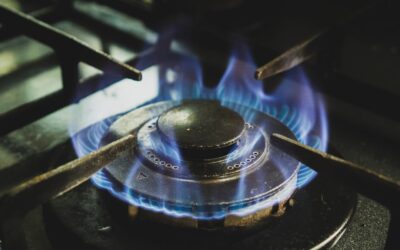
Toddlers learn fast, and one of the first things many of them figure out is that the knobs on the front of a range turn. On a gas stove, that curious twist can release unburned gas or light a burner nobody is watching. Stove guards for gas stoves close that gap with a few simple layers: knob covers or locking knobs to stop accidental turns, a stovetop shield to block reaching hands, and an anti-tip bracket so the whole range cannot tip forward if a child climbs on the open oven door.
None of these products replaces supervision, but together they buy time and reduce the most common kitchen injuries in young children: burns, scalds and tip-overs. Most take minutes to install and cost little compared with a single trip to urgent care.
- Why Stove Guards for Gas Stoves Matter
- Types of Stove Guards and Covers
- Installing Basic Childproofing Step by Step
- Gas Safety Every Household Should Know
- Everyday Habits That Work With the Hardware
- Troubleshooting Common Issues
- General Cost Ranges
- When to Call a Licensed Professional
- Frequently Asked Questions
Why Stove Guards for Gas Stoves Matter
Gas ranges bring a few specific risks beyond the burns every stove can cause. Front-mounted knobs sit right at toddler eye level on many models. A partially turned knob can let gas flow without a flame if the igniter does not catch, and an open flame is always an ignition source for loose clothing, towels or paper.
Gas cooking also produces combustion byproducts such as carbon monoxide and nitrogen dioxide. That is not a childproofing problem on its own, but it adds to the list of reasons to control who uses the stove and when. Good stove guards for gas stoves address the hands-on risks, while ventilation and alarms cover the air quality side.
Tip-overs are the less obvious danger. A freestanding range can pitch forward when a child stands on the open oven door, and the heavy appliance plus hot pots on top can cause crushing injuries or scalds. Anti-tip brackets are cheap, required by most manufacturers, and often missing in older installations.
Types of Stove Guards and Covers
Knob Covers
Knob covers are clear or opaque plastic caps that fit over each control knob. To turn the knob, an adult must squeeze, flip open or unlock the cover. Clear designs let you see the setting at a glance. They fit most round knobs, though some ranges with unusually large, small or recessed knobs need specific models. Stove knob covers are the most common first step and usually the easiest.
Locking or Removable Knobs
Some ranges have a built-in control lock. On others, you can pull the knobs off when not in use and store them out of reach. That works well for households where adults cook at set times. The downside is that knobs get lost, and removing them repeatedly can wear the shaft. Never leave a stem exposed with the burner in a partially open position.
Stovetop Shields
A stove shield is a clear plastic or metal barrier that attaches along the front edge of the cooktop. It blocks small hands from reaching burners and pot handles. Most attach with adhesive or clamps and stand a few inches high. Choose one rated for heat and install it with the recommended clearance from the burners, since cheap shields can warp or melt if they sit too close to a flame.
Oven Door Locks
Oven door latches keep a hot oven door closed. Many use strong adhesive and a latch that releases with a button. Look for one rated for oven heat, because standard cabinet locks can melt or lose adhesion on a hot door.
Anti-Tip Brackets
An anti-tip bracket is a metal bracket screwed to the floor or wall behind the range. One of the rear legs slides into it, preventing the stove from tipping forward. Most freestanding and slide-in ranges ship with a bracket, and the installation manual shows exactly where it goes.
Installing Basic Childproofing Step by Step
- Make sure the stove is off and cool. Confirm every knob is fully in the off position before you start.
- Clean the surfaces. Adhesive-mount shields and door locks need a clean, grease-free surface. Wipe with degreaser, then rubbing alcohol, and let dry.
- Install knob covers. Follow the maker’s fit instructions. Test that each cover blocks turning and that you can still turn the knob fully off quickly.
- Attach the stovetop shield. Position it along the front edge with the clearance the instructions call for. Keep it clear of flames and pot handles.
- Add an oven door latch if your oven lacks a built-in lock. Let adhesive cure for the time listed on the package before using the oven.
- Check for an anti-tip bracket. Gently tilt the range forward a little. If it lifts easily, the bracket is missing or not engaged. Installing it often requires sliding the range out, which is where gas safety comes in.
Sliding a gas range out stresses the flexible gas connector behind it. If you are not confident about moving it without kinking or pulling that connector, have a licensed gas fitter or appliance installer do it. They can install the bracket and leak-test the connection before the range is pushed back.
Gas Safety Every Household Should Know
Childproofing a gas range also means knowing how the gas supply works. Most ranges have a manual shutoff valve behind the appliance or in an adjacent cabinet. Find it now, before you ever need it. A quarter turn so the handle sits across the pipe usually closes it. Do not force a stuck valve; call a pro instead.
If you ever smell gas, do not light matches, flip switches or use your phone inside. Get everyone out of the home and call your gas utility or 911 from outside. Do not go back in until the utility or a qualified technician says it is safe.
Install carbon monoxide alarms on every level of the home and near sleeping areas, and test them monthly. Use the range hood when cooking, keep the burners clean so flames burn blue, and never use the stove or oven to heat the home. A smoke alarm near, but not directly over, the kitchen adds another layer.
Repairs to gas lines, valves, connectors or burners are licensed-pro work. Never attempt do-it-yourself gas connections.
Everyday Habits That Work With the Hardware
- Cook on the back burners when possible, and turn pot handles toward the back.
- Keep a clear no-go zone of about 3 feet around the stove while cooking. A gate or play yard helps with toddlers.
- Store step stools and chairs away from the range so children cannot climb up.
- Keep towels, paper and loose sleeves away from flames. Tie back long hair.
- Keep a kitchen fire extinguisher rated for grease fires within reach, and know how to smother a pan fire with a lid.
- Never leave cooking unattended, even briefly.
Troubleshooting Common Issues
- Knob covers do not fit: measure your knob diameter and depth, then choose a cover designed for that size. Oversized covers can be defeated easily.
- Stove shield adhesive fails: the surface was likely greasy or the shield sits too close to heat. Clean and reinstall with more clearance, or choose a clamp-on style.
- Burner lights on its own or clicks constantly: stop using that burner and have the range serviced.
- Range wobbles or tilts: the anti-tip bracket is missing or disengaged. Have it installed or reset.
General Cost Ranges
Childproofing a gas range is inexpensive. Knob cover sets usually cost around $10 to $25. Stovetop shields range from about $15 to $50. Oven door latches run about $10 to $20. A replacement anti-tip bracket is often under $20, while having a pro slide out a gas range, install the bracket and leak-test the connector typically costs a modest service fee in the low hundreds.
When to Call a Licensed Professional
Bring in a licensed gas fitter or appliance technician to move or reconnect a gas range, replace a flexible gas connector, fix a stuck shutoff valve or install an anti-tip bracket that requires pulling the stove out. Gas work often needs a permit and should always end with a leak test. Call a pro for any burner that lights unpredictably, a persistent gas smell after the utility has cleared the home, or flames that burn yellow and sooty, since poor combustion can raise carbon monoxide levels.
Frequently Asked Questions
Do stove knob covers work on all gas ranges?
Most fit standard round knobs, but some ranges have large, small or recessed knobs that need a specific design. Measure your knobs and check compatibility before buying.
Is it safe to remove the knobs from a gas stove?
Many ranges allow it, and it can be an effective childproofing step. Make sure every burner is fully off before removal, and store the knobs out of reach.
Can a stovetop shield melt?
Yes, if it is too close to burners or not heat rated. Choose a heat-resistant shield and follow the maker’s clearance instructions.
Does a gas stove need an anti-tip bracket?
Most manufacturers require one for freestanding and slide-in ranges. It prevents the range from tipping forward if someone stands on the open oven door.
What should I do if my child turns on a gas burner?
Turn the knob off right away. If the burner did not light and you smell gas, get everyone outside and call the gas utility or 911 from outside.