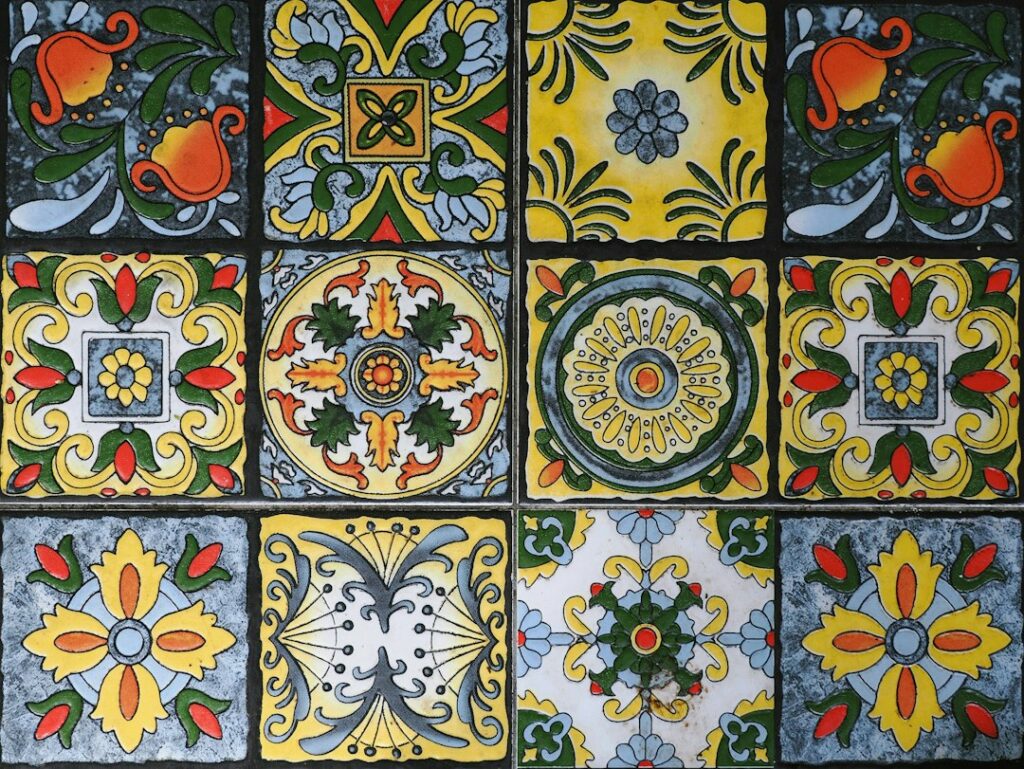
Most tile cracks near a fireplace not from the flame but from what sits underneath it. Choosing heat resistant tile is only half the job; the mortar, the backer board and the clearances decide whether a surround lasts twenty years or starts popping loose after one winter. Porcelain, quarry tile, slate and dense natural stone all handle fireplace and stove heat well when they are installed over a noncombustible base with a mortar rated for the temperatures involved.
Part of our Tile & Grout guide — explore the full guide →
In plain terms: dense, fired, low-absorption tiles (porcelain and quarry tile) are the safest bet for surrounds, hearths and wood stove pads. Glazed ceramic wall tile works on surrounds kept outside the firebox, but it is more prone to crazing and cracking from rapid temperature swings. Glass tile and resin-based or mesh-backed mosaics with plastic dots need extra caution close to the opening. Nothing that is tile replaces the firebrick lining the firebox itself.
- Choosing Heat Resistant Tile by Material
- Surround vs Hearth vs Wood Stove Pad
- Heat-Rated Mortar, Grout and Backer Board
- Tools and Materials
- Installing Tile Around a Fireplace or Stove
- Troubleshooting Cracked or Loose Fireplace Tile
- Cost Ranges
- Fire Safety and When to Call a Professional
- Frequently Asked Questions
Heat proof tiles do not exist in an absolute sense. Every tile has limits, and the real question is whether the tile, setting materials and substrate can handle the heat and the expansion cycles your particular fireplace or stove produces.
Choosing Heat Resistant Tile by Material
Kiln-fired tiles already survived temperatures far hotter than any living-room fireplace face, so the clay body itself is rarely the weak point. Problems come from thermal shock, moisture trapped in porous tile and glazes that expand at a different rate than the body. Here is how common materials compare.
Porcelain
Porcelain is dense, absorbs almost no water and handles repeated heating and cooling well. It is the go-to for hearths and wood stove pads, and large-format porcelain slabs make a clean, modern surround. Through-body porcelain hides chips better than glazed versions on a hearth where logs and tools get dropped.
Ceramic
Are ceramic tiles heat resistant? Yes, within reason. Glazed ceramic wall tile is fine for a fireplace surround a few inches outside the opening, and many traditional fireplaces use it. It is softer and more porous than porcelain, so it is a weaker choice for a hearth floor that takes impacts or for a stove pad directly under a cast-iron stove that runs hot for hours.
Quarry tile and terracotta
Unglazed quarry tile is extremely durable under heat and has a long history around hearths and bake ovens. Handmade terracotta also tolerates heat but is porous; seal it with a sealer rated for the surface temperature, or leave it unsealed in hotter zones and accept natural patina.
Slate, granite and other natural stone
Slate is a classic hearth stone and handles heat well. Granite and soapstone are excellent too; soapstone stores and radiates heat gradually. Marble and limestone work on surrounds but can discolor, spall or crack near very high heat, especially if the stone has natural fissures. Avoid stone with resin-filled pits in the hottest zones because the resin can bubble or darken.
Glass and mosaics
Glass tile is attractive on a surround, but it expands differently from the wall behind it. Keep it out of the zone closest to the opening, and use only setting materials approved by the tile maker for that application. Mosaics on plastic dot-mount or adhesive-backed sheets should be avoided near heat.
Surround vs Hearth vs Wood Stove Pad
Each location sees a different kind of stress, and that should steer your choice.
- Fireplace surround (the face around the opening): radiant heat plus temperature swings. Porcelain, ceramic, slate and most stone all work. Keep combustible trim and mantels at the distance your fireplace manual and local code require.
- Hearth extension (the floor in front): embers, dropped logs, foot traffic. Choose porcelain, quarry tile or slate with a textured, slip-resistant face. The hearth must be noncombustible and extend the distance your code specifies in front of and beside the opening.
- Wood stove or pellet stove pad: prolonged conducted and radiant heat. The stove manual specifies whether the pad needs ember protection only or a thermal (R-value) rating. Tile alone often does not meet a thermal requirement, so the build-up underneath matters.
Always follow the clearances in the stove or fireplace installation manual. Those numbers change by model, and the tile choice does not override them.
Heat-Rated Mortar, Grout and Backer Board
Ordinary latex-modified thinset is used on many fireplace surrounds, but it has a temperature ceiling, and some premixed adhesives soften well below fireplace temperatures. For surfaces that get hot, use a high-heat tile mortar or a refractory mortar listed for the expected temperature range. Many cement-based thinsets are rated for surrounds and hearths; read the bag for the maximum service temperature and stay inside it.
Never use premixed organic mastic near a fireplace or stove. It is a water-based adhesive that can soften, smell and release tiles when heated. Grout should be a cement-based sanded or unsanded grout; standard epoxy grout has a lower heat tolerance and can discolor. Where the tile meets the firebox or metal insert, leave a gap and fill it with a high-temperature caulk or refractory sealant rather than rigid grout.
Underneath, install cement board or another noncombustible backer. Drywall and plywood are combustible and do not belong behind tile in the hearth or surround zone. For stove pads that need a thermal rating, the manual may call for layered cement board or a specialty insulating board under the tile.
Tools and Materials
- Heat resistant tile (porcelain, quarry, slate or stone suited to the location)
- High-heat tile mortar or thinset rated for the service temperature
- Cement-based grout and high-temperature caulk for the firebox joint
- Cement backer board, backer screws and alkali-resistant mesh tape
- Notched trowel, margin trowel, level, spacers and a grout float
- Wet tile saw or tile cutter, angle grinder with a diamond blade for stone
- Safety glasses, gloves, hearing protection and an N95 respirator for cutting
Installing Tile Around a Fireplace or Stove
- Confirm the fireplace is cold and has been for at least a day. Remove ash and clean soot from the area.
- Check clearances. Read the fireplace or stove manual and mark the minimum distances to combustible materials and the required hearth dimensions.
- Prepare the substrate. Remove old tile or paint as needed. Fasten cement board over framing or skim-coat clean masonry. Tape and mud board seams with the same mortar you will use for tile.
- Dry-lay the layout. Center the pattern on the opening and avoid slivers along the firebox edge.
- Set tile. Spread mortar with the notch size recommended for your tile, back-butter large tiles and press them in with full coverage. Voids under hearth tile become crack points.
- Leave the firebox joint open. Keep about 1/8 to 1/4 inch between tile and metal or firebrick for expansion.
- Grout and caulk. After the mortar cures, grout the field and fill the firebox gap with high-temperature caulk.
- Cure before burning. Wait the full cure time on the mortar bag, often several days, then start with small fires for the first few burns to drive off moisture gradually.
If your insert or stove has a blower or electric igniter, turn off the breaker and confirm power is off with a non-contact voltage tester before working near it, and never work on wiring that is still powered. Gas fireplaces and gas lines are licensed-pro work only; if you ever smell gas, leave the home and call the utility.
Troubleshooting Cracked or Loose Fireplace Tile
Hairline cracks across tiles: usually thermal shock or poor mortar coverage. Replace the tile with full back-buttering and confirm the mortar rating.
Tiles popping loose near the opening: often mastic, drywall backing or no expansion gap. Rebuild that zone on cement board with heat-rated mortar.
Discolored stone or grout: soot and heat stain porous materials. Clean with a pH-neutral stone cleaner and consider a high-temperature sealer outside the hottest zone.
Crazed glaze: fine web-like cracks in glazed ceramic come from glaze and body expanding differently. It is cosmetic but signals that porcelain would be the better long-term choice.
Cost Ranges
Porcelain and ceramic tile for a fireplace surround typically cost a few dollars to the low teens per square foot, while slate and granite range higher. High-heat mortar and backer board add a modest amount for a typical surround. Professional installation of a fireplace surround commonly runs from several hundred dollars to the low thousands depending on size, demolition and stone work. A tiled wood stove pad built to a thermal rating can cost more because of the layered base.
Fire Safety and When to Call a Professional
Use only noncombustible materials within the clearance zones and keep the finished tile, mantel and any decor at the distances your fireplace or stove listing requires. Wood stove heat shields and pads should be listed or built exactly to the manual. Install smoke alarms and carbon monoxide alarms on every level and near sleeping areas, and schedule an annual chimney inspection and sweeping. Store batteries for remotes and tools away from the hearth, and never charge lithium batteries on a warm hearth.
Hire a certified chimney professional or licensed contractor for firebox or firebrick repairs, inserts, stove installations that require a permit and any gas appliance. A pro is also worth it for heavy stone surrounds that need mechanical anchoring into masonry.
Frequently Asked Questions
What is the best heat resistant tile for a hearth?
Porcelain, unglazed quarry tile and slate are the most reliable hearth choices. They are dense, impact-resistant and handle repeated heating and cooling well.
Are ceramic tiles heat resistant enough for a fireplace?
Glazed ceramic works on a surround outside the firebox. For hearths and stove pads, porcelain or stone is a stronger choice because ceramic is softer and more porous.
Can I use regular thinset around a fireplace?
Some cement-based thinsets are rated for fireplace surrounds. Check the maximum service temperature on the bag, and use a high-heat or refractory mortar for hotter zones. Never use premixed mastic.
Can I tile directly over drywall around a fireplace?
No. Drywall is combustible. Use cement backer board or clean masonry as the substrate within the clearance zone.
How long should mortar cure before lighting a fire?
Follow the bag, which often means several days. Then start with a few small fires so moisture leaves the mortar slowly.
Prefer to explore on your own?
See how new flooring looks in your actual room in seconds — free, no signup.
Try the free Floor Studio →