
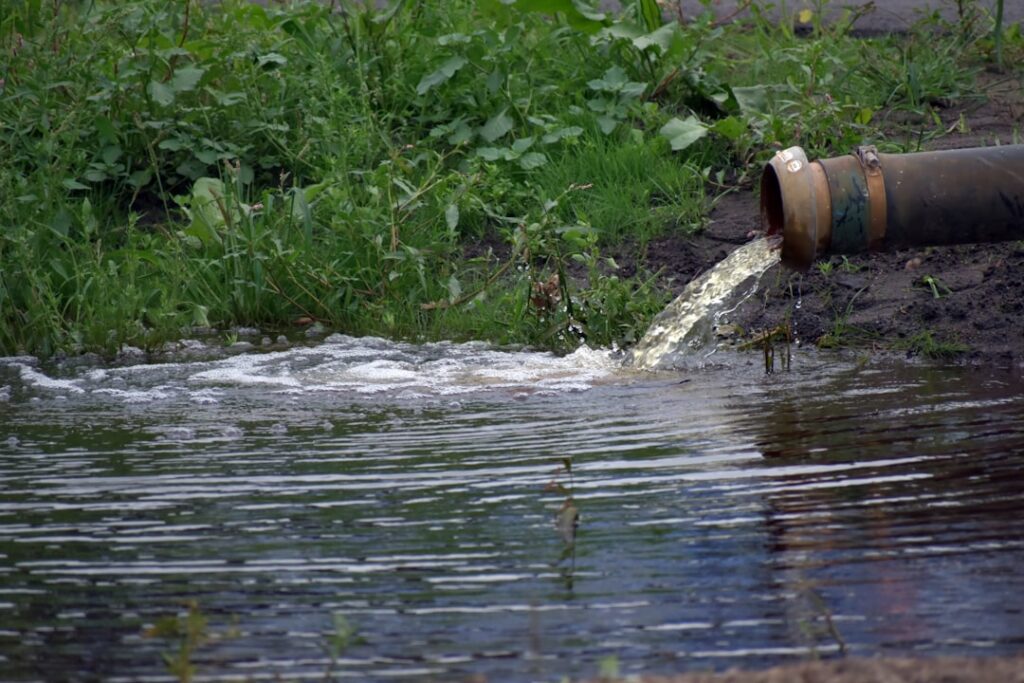
The sump pump drain, more precisely the discharge line, is the pipe that carries water pumped out of your sump pit and safely away from your foundation. It is easy to obsess over the pump itself and forget that the drain line is what actually gets the water gone. A poorly designed or clogged discharge line can back water right into the basement even when the pump runs perfectly. This guide explains how the drain system works, correct pipe sizing, code requirements, freeze protection, and how to troubleshoot the most common drain failures.
- How the Discharge System Works
- Proper Pipe Sizing
- The Critical Check Valve
- Where the Water Should Go
- Code Requirements to Know
- Protecting the Drain from Freezing
- Troubleshooting Common Drain Problems
- Maintaining the Discharge Line
- Upgrades Worth Considering
- Reducing Noise and Water Hammer
- Handling Multiple Drainage Sources
How the Discharge System Works
When water fills the sump pit, the pump switches on and pushes that water up through a vertical riser and out a horizontal discharge pipe that exits the foundation. From there, the line should carry water at least 10 feet away from the house and release it where it can drain away by gravity, never back toward the foundation. A check valve on the riser stops the column of water in the pipe from draining back into the pit each time the pump shuts off, which would otherwise cause rapid short-cycling.
Proper Pipe Sizing
The discharge pipe must match or exceed the pump’s outlet size to avoid restricting flow.
- 1.5-inch pipe: common for smaller 1/3 horsepower pumps.
- 2-inch pipe: standard for 1/2 horsepower and larger pumps, moving more water with less resistance.
- Never reduce the pipe below the pump’s outlet diameter, since a smaller pipe throttles flow and overworks the motor.
Rigid PVC (schedule 40) is the preferred material for the permanent run because it resists crushing and lasts for decades. Flexible corrugated pipe is sometimes used for the outdoor extension but clogs and kinks more easily.
The Critical Check Valve
The check valve is a small but essential component installed on the vertical riser just above the pump. It is a one-way valve that lets water flow up and out but slams shut to prevent backflow when the pump stops. Without it, the water sitting in the pipe drains back into the pit, refills it, and triggers the pump again in seconds, a wasteful cycle that wears out the motor. Install the valve with the arrow pointing in the direction of flow (up and away), and choose a quiet, spring-loaded model to reduce the water-hammer thump many homeowners hear.
Where the Water Should Go
Getting water out of the pit is only half the job; getting it far enough away is the rest. Best practices and most local codes require:
- Discharge at least 10 feet from the foundation, and farther on flat lots.
- Release onto a downhill grade so water flows away, not back toward the house.
- Avoid dumping onto a neighbor’s property or a public sidewalk, which many municipalities prohibit.
- Consider a dry well or a pop-up emitter to disperse water underground where surface discharge is not practical.
Code Requirements to Know
Sump discharge is regulated, and getting it wrong can bring code violations or drainage disputes. A crucial rule in most jurisdictions is that a sump pump must never discharge into the sanitary sewer, since clean groundwater overwhelms treatment plants during storms. Many areas also prohibit tying the discharge into the home’s footing drains or connecting it where it can freeze and back up. Some municipalities require the line to daylight onto the yard or into a storm system, not a floor drain. Always check your local building department before finalizing a discharge route.
Protecting the Drain from Freezing
In cold climates the discharge line is the system’s weak point, because a frozen pipe blocks flow and can flood the basement even though the pump works. Freeze protection strategies include:
- Slope the outdoor run so no water sits in the pipe to freeze between cycles.
- Bury the line below the frost line where possible for a permanent, freeze-safe route.
- Install a freeze-relief fitting (an air-gap or IceGuard-style fitting) near the exit so if the outdoor pipe freezes, water can still escape through the relief opening.
- Use a larger-diameter outdoor extension that is slower to freeze solid.
Troubleshooting Common Drain Problems
Most sump emergencies trace back to the drain, not the pump.
- Pump runs but no water leaves: the discharge line is clogged, frozen, or the check valve is stuck closed.
- Pump short-cycles: the check valve is missing or failed, letting water drain back into the pit.
- Water pools near the foundation: the outlet is too close to the house or discharges uphill.
- Loud banging on shutoff: water hammer from a fast-slamming check valve; a spring-loaded valve fixes it.
- Gurgling and slow drainage: a partial clog or a sagging flexible extension holding water.
Maintaining the Discharge Line
A little seasonal maintenance prevents most failures. In fall, disconnect and clear any removable outdoor extension so it does not freeze. Periodically pour a bucket of water into the pit to trigger the pump and confirm water flows freely out the discharge point. Walk the outdoor line after heavy storms to make sure the outlet has not become buried in mulch or blocked by debris, and check that the grade still carries water away. Inspect the check valve annually by listening for backflow after the pump shuts off.
Upgrades Worth Considering
If your basement is finished or you live in a flood-prone area, consider upgrading the drainage reliability. A battery backup pump keeps the discharge working during power outages, which is exactly when storms strike. A secondary discharge route or a larger buried line adds redundancy. A water-powered backup pump uses municipal water pressure to move water when electricity fails, requiring no battery. And a high-water alarm warns you the moment the pit rises faster than the pump can drain it, giving you time to act before water reaches the floor.
Reducing Noise and Water Hammer
A discharge line that bangs and thumps every time the pump cycles is not just annoying; the noise often signals stress on the plumbing. The loudest culprit is water hammer, the shock wave created when a fast check valve slams shut and the moving column of water suddenly stops. Swapping a basic swing check valve for a spring-loaded or silent check valve dramatically softens that thump because the spring closes the valve gradually before backflow builds momentum. Securing the discharge pipe firmly to the wall with cushioned clamps also stops it from rattling against framing. Adding a short section of flexible rubber coupling between the pump and the rigid pipe isolates motor vibration, keeping the whole system quieter in a finished basement.
Handling Multiple Drainage Sources
Some homes route more than groundwater into the sump system, and understanding those inputs helps you size and maintain the drain. A perimeter footing drain, or drain tile, often feeds the pit, and in some setups a basement floor drain or a dehumidifier condensate line ties in as well. The more water sources, the harder the pump and discharge line work during a wet spell, so a larger 2-inch discharge and a higher-capacity pump make sense. Never, however, combine a sump discharge with a sanitary sewer connection, and be cautious about tying condensate lines in without a proper trap, since improper connections can cause backups and code violations. Mapping every source that feeds your pit is the first step to a reliable, trouble-free drainage system.
The sump pump drain is the unsung hero of a dry basement, and understanding it protects you from the surprise of a working pump that still floods the floor. Size the discharge pipe to match your pump, install a reliable check valve, route the water at least 10 feet away and downhill, and never tie it into the sanitary sewer. Add freeze protection in cold climates, inspect the line each season, and consider a battery backup for storm-season peace of mind. A well-designed discharge system is what actually keeps the water out of your home.


