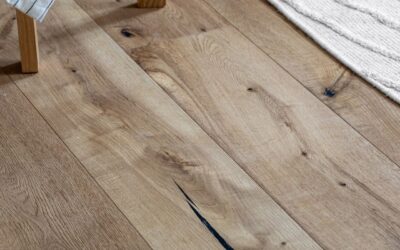
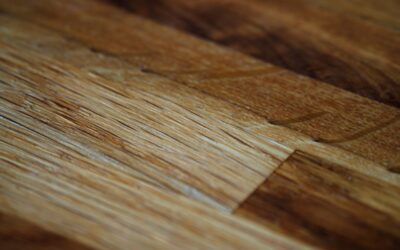
Cork is harvested by stripping the bark from a living oak tree that regrows its bark and can be reharvested every nine years for over a century, making it one of the few flooring materials that doesn’t require cutting down anything. Sustainable cork flooring appeals to homeowners who want a renewable, comfortable, naturally insulating floor without sacrificing the planet. It’s soft underfoot, quiet, and warm, but it also has real maintenance demands and durability limits. This guide covers what cork is great at, where it struggles, and how to keep it looking good for decades.
Why Cork Is Genuinely Sustainable
Cork’s green credentials are unusually legitimate. The cork oak isn’t felled during harvest; only the bark is stripped, and the tree continues absorbing carbon and regenerating its bark. A single tree can be harvested every nine years for 150 to 200 years, making it a truly renewable resource.
The manufacturing process is relatively low-impact too, and cork is biodegradable at end of life. Much flooring cork is even made from the waste of wine-stopper production, putting an industrial byproduct to good use rather than sending it to landfill.
The Comfort and Health Benefits
Cork’s cellular structure is full of tiny air pockets, which gives it qualities other floors can’t match. It’s soft and forgiving underfoot, easing joint strain in kitchens where you stand a lot, and it cushions dropped dishes and glasses. That same structure makes it a natural sound absorber.
Cork also insulates against temperature, staying warm in winter and reducing heat loss through the floor. It’s naturally resistant to mold, mildew, and pests thanks to a waxy substance called suberin, and it doesn’t off-gas, making it a strong choice for allergy-sensitive households.
Types of Cork Flooring
Cork comes in two main installation formats, each suited to different situations.
- Glue-down tiles — bonded directly to the subfloor for a solid, seamless feel. Better for moisture-prone areas and easier to repair tile by tile.
- Floating click-lock planks — engineered planks with a cork wear layer over an HDF core, installed without glue. Faster to install and DIY-friendly.
Glue-down cork handles humidity slightly better and lasts longer in kitchens, while floating cork is the more convenient choice for living rooms and bedrooms. Both come pre-finished or unfinished, with prefinished being lower maintenance out of the box.
The Downsides to Know
Cork’s softness is a double-edged sword. Heavy furniture leaves permanent dents, sharp objects and pet claws can gouge it, and it scratches more easily than hardwood. Use felt pads under furniture and consider area rugs in high-traffic zones to protect the surface.
Moisture is the other concern. While cork resists mold, standing water can warp it and seep into seams, so it’s not ideal for full bathrooms or below-grade basements without careful sealing. Direct sunlight also fades cork over time, so manage strong window exposure with treatments.
Cost and Lifespan
Cork flooring typically runs $5 to $12 per square foot installed, putting it in the mid-range alongside engineered wood and quality vinyl. Premium and glue-down options land at the higher end.
With proper care, a quality cork floor lasts 20 to 40 years, and some unfinished cork can be sanded and resealed to refresh its appearance, extending its life further. That refinishing ability sets it apart from vinyl and laminate, which must be replaced when worn.
Cleaning and Maintenance
Cork is low-maintenance but demands the right routine to last. Sweep or vacuum regularly with a soft brush or hard-floor setting to remove grit before it scratches the surface. For mopping, use a barely damp microfiber mop and a pH-neutral cleaner made for cork or hardwood, never a wet mop or harsh chemicals.
Wipe spills immediately, since prolonged moisture is cork’s enemy. Reseal cork floors every few years with a polyurethane or wax finish, depending on the product, to maintain water resistance. Keep indoor humidity stable, place mats at entries to catch grit, and your cork floor will reward the effort.
Where Cork Works Best
Cork shines in spaces where its comfort and warmth pay off. Kitchens benefit from the cushioning, home offices and bedrooms from the quiet, and playrooms from the soft landing for tumbles. It’s also excellent over radiant heat thanks to its insulating nature.
Avoid it in full bathrooms, laundry rooms, and damp basements where standing water is likely, and protect it in sun-flooded rooms. Matching cork to the right rooms is the key to a long, satisfying life from the floor.
Removing Stains and Tough Spots
Even with careful upkeep, cork eventually meets a stubborn spill, and the right approach prevents permanent damage. For most marks, a damp cloth with a drop of mild dish soap lifts the spot; wipe with the grain and dry immediately rather than letting moisture linger. Avoid scrubbing hard, which can wear through a sealed finish.
Grease and oil stains respond to a paste of baking soda and water left briefly, then wiped away. Scuffs from shoes or furniture often buff out with a soft cloth or a melamine sponge used gently. For deep stains that reach unfinished cork, light sanding of the area followed by resealing restores the surface, an option vinyl and laminate simply don’t offer.
Cork Versus Other Eco-Friendly Floors
Cork isn’t the only sustainable flooring, and it helps to know where it stands. Compared to bamboo, cork is softer and more comfortable underfoot but dents more easily, while bamboo is harder and better for high-traffic areas. Both are rapidly renewable, though cork edges ahead since the tree is never cut down.
Against reclaimed or FSC-certified hardwood, cork wins on comfort, sound absorption, and insulation, while hardwood offers greater hardness and a more traditional look. If your priorities are a soft, quiet, warm floor with genuine green credentials, cork is hard to match. If you need maximum durability underfoot, a harder renewable like strand-woven bamboo may serve better.
Final Word
Sustainable cork flooring delivers genuine renewability along with comfort, warmth, and quiet that few floors match. Accept its softness as a tradeoff, protect it with furniture pads and rugs, and keep it out of standing-water areas. Budget $5 to $12 per square foot installed, clean it with a damp mop and pH-neutral cleaner, reseal it periodically, and you’ll enjoy an eco-friendly floor that lasts decades and can even be refinished.
Prefer to explore on your own?
See how new flooring looks in your actual room in seconds — free, no signup.
Try the free Floor Studio →