Taupe is the quiet overachiever of paint colors, neutral enough to feel safe, but warm and complex enough to add real depth to a room. A taupe accent wall brings a sense of grounding and sophistication without the heaviness of a dark feature wall or the coldness of gray. The trick is understanding what taupe actually is, because it shifts dramatically depending on its undertone and the light in the room. Get the undertone and placement right, and a taupe accent wall becomes a flattering backdrop that works with almost any decor.
What Taupe Really Is
Taupe sits between gray and brown, a warm neutral that borrows from both. That in-between quality is its strength and its challenge: depending on the specific paint, taupe can lean more gray (cooler) or more brown (warmer), and it can carry hidden undertones of pink, purple, green, or beige. The same swatch can look like soft mushroom in one room and chilly gray-brown in another. Because taupe is so chameleon-like, you can’t judge it from a chip on the shelf, you have to test it on the actual wall.
Reading the Undertones
Undertone is what determines whether a taupe feels cozy or cold, and whether it harmonizes with your room. The trick is to compare it against true neutrals and in your own lighting.
- Warm taupe leans brown or beige, inviting and cozy, great for living rooms and bedrooms.
- Cool taupe leans gray, more modern and crisp, good for contemporary spaces.
- Pink or purple undertones can show up in low light, lovely in some rooms, surprising in others.
- Green undertones read earthy and calm, pairing well with natural materials.
Paint a large sample patch, or a poster board you can move around, and look at it in morning, afternoon, and evening light before committing. North-facing rooms cool taupe down; warm artificial light pushes it toward brown.
What Colors Pair With Taupe
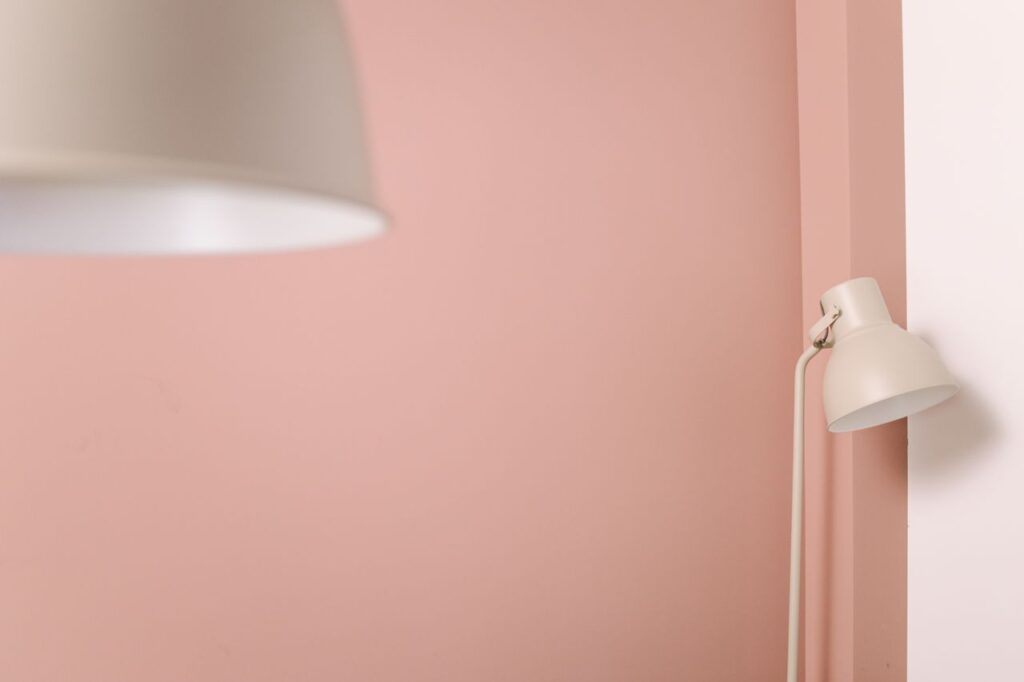
Part of taupe’s appeal is how easily it plays with other colors. As a sophisticated neutral, it acts as a bridge between warm and cool palettes. Crisp white trim makes a taupe wall feel clean and intentional. Soft whites and creams keep things warm and layered. Taupe also pairs beautifully with blacks and charcoals for contrast, with blush and dusty rose for a soft modern look, and with sage or muted greens for an organic, nature-inspired scheme. Because it’s so neutral, taupe lets bolder accent colors in furniture, art, and textiles take the spotlight without clashing.
Where a Taupe Accent Wall Works Best
Taupe is one of the more universally flattering accent colors, but some placements shine more than others. In a bedroom, a taupe wall behind the headboard creates a calm, enveloping backdrop that promotes rest, warmer than gray, softer than a dark color. In a living room, a taupe accent wall behind the sofa or around a fireplace adds depth and anchors the seating area. Taupe also works well in dining rooms and home offices, where its understated warmth feels refined without distracting. It even suits hallways and entryways, where a single taupe wall adds interest to an often-overlooked space.
Choosing the Right Wall
Pick the wall the eye naturally lands on, the one behind the bed, the sofa, the fireplace, or the wall opposite the main entrance to the room. Accent walls work best on a solid, uninterrupted surface or one with a natural focal point. A wall broken up by lots of windows and doors makes a weaker accent. Consider the light, too: a wall that gets soft, indirect light shows taupe’s depth nicely, while a wall in harsh direct sun may flatten the color or exaggerate an undertone you didn’t expect.
Texture and Finish Considerations
Taupe’s subtle complexity makes it a great candidate for added texture. A taupe accent wall in a matte or eggshell finish reads soft and modern, hiding minor wall imperfections. You can also push the look further with a textured treatment, board-and-batten, a limewash effect, or a wood-paneled wall stained or painted in taupe, which amplifies the warmth and gives the color something to play against. Keep the finish consistent with the room’s vibe: flatter sheens feel contemporary and cozy, while a slight sheen adds a touch of polish.
Taupe in Open-Concept Spaces
Accent walls behave differently in open-concept homes, where one room flows visually into the next. A taupe accent wall can act as a gentle divider, signaling where the living area ends and the dining zone begins, without the hard break of a contrasting bold color. Because taupe is a true neutral, it transitions smoothly between adjoining spaces and won’t fight with whatever colors appear in the next zone. This makes it one of the safer accent choices for open floor plans, where a loud feature wall can feel jarring across a large sightline.
If you’re using taupe to define a zone, carry small touches of the same tone elsewhere, a throw pillow, a rug border, a piece of pottery, so the wall feels connected to the whole rather than isolated. You can also wrap taupe onto more than one wall in a defined area, like the walls around a fireplace, to ground a seating zone within a larger open room. Used this way, taupe organizes space quietly instead of carving it up.
Making Taupe Work for You
A taupe accent wall is one of the safest ways to add warmth and sophistication without committing to a bold color. The whole game is the undertone, test generously in your own light before you buy, decide whether you want it leaning warm-brown or cool-gray, and pair it with whites, blacks, or soft accent colors that complement that direction. Place it on the room’s natural focal wall, choose a finish that suits the mood, and taupe rewards you with a refined, grounding backdrop that quietly makes everything else in the room look better.
Styling the Wall Once It’s Painted
Paint is only half the job, how you dress the wall determines whether the taupe reads rich or flat. Because taupe is a quiet neutral, it makes an excellent backdrop for art, mirrors, and shelving without competing for attention. Dark-framed artwork and black-and-white photography pop crisply against it, while warm metallics like brass and gold pick up taupe’s warmth and add a touch of glamour. Natural materials, wood, woven baskets, leather, and live plants, look especially at home against a taupe wall and reinforce its earthy character.
Texture is your friend here. Layer in textiles, a chunky knit throw, linen pillows, a patterned rug, so the neutral wall becomes the calm anchor for a room full of tactile interest. Lighting also brings the wall to life: a wall sconce or picture light grazing across the taupe reveals its depth and any subtle texture in the paint. Treat the painted wall as a stage, and the taupe does its best work supporting the pieces in front of it rather than demanding attention itself.