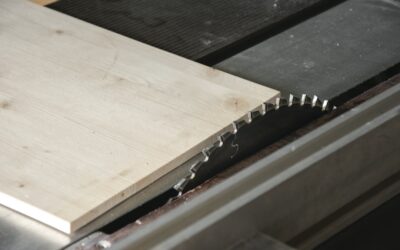
The right tile cutting blade makes the difference between clean, professional cuts and a pile of chipped, cracked tile. Tile is hard and brittle, so it demands a blade designed specifically for the material, and the wrong choice will chip edges, overheat, or shatter your tile. This guide walks you through the types of blades available, how to match a blade to the tile you are cutting and the tool you are using, the safety practices that protect your eyes and lungs, and what to expect to spend so you can cut with confidence and get crisp results.
Part of our Tile & Grout guide — explore the full guide →
Why the Blade Matters So Much
Tile is not wood. You cannot cut it with a toothed saw blade, because the brittle, abrasive material would chip violently and destroy a standard blade. Instead, tile is cut with diamond blades, which use industrial diamond particles bonded to the rim to grind through the material rather than slice it. That grinding action is what produces a clean edge without tearing out chunks.
Choosing the correct diamond blade for your specific tile and saw is the key to good results. A blade matched to dense porcelain behaves very differently from one meant for soft ceramic, and using the wrong one leads to chipping, slow cutting, and premature blade wear.
Types of Tile Cutting Blades
Diamond blades come in a few rim styles, each suited to different tasks. Understanding them helps you pick the right one:
- Continuous rim: A smooth, unbroken diamond edge that produces the cleanest, smoothest cuts with minimal chipping. Best for delicate and glazed tiles, especially when used wet.
- Turbo rim: A serrated continuous rim that cuts faster than a plain continuous blade while still giving relatively clean edges. A good all-around choice.
- Segmented rim: Has gaps (segments) around the edge for fast cutting and cooling, but it leaves a rougher edge. Better for harder materials and rough cuts than for finished, visible edges.
For most finish tile work where the cut edge will show, a continuous or turbo rim wet blade is the safer choice. Segmented blades shine on tougher, faster cutting jobs where edge quality matters less.
Matching the Blade to Your Tile
Different tile materials have different hardness, and the blade should match. Use these guidelines:
- Soft ceramic and wall tile: A standard continuous or turbo diamond blade handles these easily and cleanly.
- Porcelain: Dense and hard, porcelain needs a blade rated specifically for porcelain, often a fine continuous rim, to avoid chipping.
- Natural stone (marble, granite, travertine): Use a blade designed for stone; some are material-specific for harder stones like granite.
- Glass tile and mosaics: Require a specialized glass blade with a very fine continuous rim to prevent cracking and chipping.
Always check the blade packaging, which lists the materials it is rated for. A porcelain-rated blade cuts ceramic fine, but a basic ceramic blade will struggle and chip on porcelain, so when in doubt choose the blade rated for the harder material.
Wet vs. Dry Cutting
Tile blades are designed for either wet or dry cutting, and this choice affects both cut quality and safety. Wet cutting, done on a wet saw that feeds water onto the blade, keeps the blade cool, produces the smoothest cuts, extends blade life, and critically suppresses the fine dust that tile produces. Dry cutting, typically with an angle grinder or handheld saw, is more convenient for quick cuts and on-site work but creates significant dust and runs hotter.
For most projects, especially porcelain and stone, a wet saw delivers the best results and the least dust. If you must cut dry, take extra dust-control and respiratory precautions, which leads directly to the most important part of this guide.
Safety First
Cutting tile involves power tools, fast-spinning blades, and hazardous dust, so safety is not optional. Always read and follow the manufacturer’s instructions for your saw and blade, and take these precautions:
- Protect your eyes with safety glasses or goggles against flying chips.
- Protect your hearing with ear protection, since tile saws are loud.
- Guard your lungs. Cutting tile, especially porcelain and stone, releases fine silica dust that is hazardous to breathe. Cut wet whenever possible to suppress dust, and wear a properly rated respirator or dust mask when cutting dry. Work in a well-ventilated area or outdoors.
- Use the guard. Keep the blade guard in place and never remove safety features.
- Keep hands clear of the blade and use push sticks or guides where appropriate.
- Use the correct blade for the material and confirm it is rated for your saw’s speed.
Silica dust deserves real respect, as repeated exposure is genuinely harmful. Wet cutting plus a good respirator is the gold standard. If you are uncomfortable with the equipment or facing a large or complex job, hiring a professional is a sound choice.
Tips for Clean Cuts
Even with the right blade, technique improves your results. Let the blade do the work and avoid forcing the tile through, which causes chipping and overheating. Feed the tile slowly and steadily, especially as you approach the end of a cut where edges are most likely to chip. Keep wet saws supplied with water throughout the cut. Mark your cut lines clearly, and for glazed tiles, cutting with the glazed side up on a wet saw helps minimize visible chipping. Replace a dull or glazed-over blade, since a worn blade chips tile and works dangerously slowly.
What Tile Cutting Blades Cost
Blade prices vary by quality, size, and the material they are rated for, and these are estimates that shift by brand. A basic diamond blade for ceramic and general tile often runs roughly $15 to $40. Higher-quality porcelain and stone blades commonly land around $40 to $100, while premium professional and specialized glass blades can run higher. A better blade typically lasts longer and cuts cleaner, so for porcelain and stone the upgrade usually pays off. If you are renting a wet saw, a quality blade may be included or available, but bringing your own ensures it suits your tile.
The Bottom Line
A tile cutting blade is a small purchase that has an outsized effect on your results. Choose a diamond blade with the right rim style and material rating for your tile, favor wet cutting for the cleanest edges and the least dust, and never skip eye, ear, and respiratory protection, since silica dust is a real hazard. Let the blade do the work, replace it when it dulls, and call a professional for big or tricky jobs. With the right blade and good technique, you will turn brittle tile into clean, precise cuts every time.
Prefer to explore on your own?
See how new flooring looks in your actual room in seconds — free, no signup.
Try the free Floor Studio →