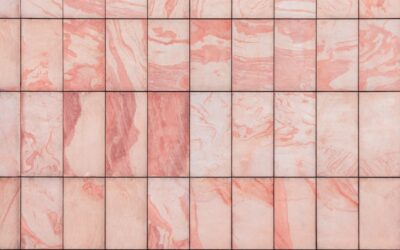
Tile kitchen countertops are experiencing a genuine renaissance. After falling out of favor during the granite and quartz boom of the 2000s and 2010s, tile is returning to kitchens as designers and homeowners rediscover its versatility, affordability, and design potential. At DnG Flooring, we have installed tile surfaces for over 30 years, and we are excited to see this material getting the attention it deserves again.
Part of our Countertops guide — explore the full guide →
Modern tile options, improved grout formulations, and fresh design approaches have solved many of the problems that made tile countertops unpopular a decade ago. This guide covers everything you need to know, from the best tile types to grout maintenance, costs, and the latest design trends.
Why Tile Kitchen Countertops Are Coming Back
For years, tile kitchen countertops were dismissed as outdated or budget-only. So what changed? Several factors are driving the resurgence:
- Design fatigue with slabs: After two decades of granite and quartz dominating kitchens, homeowners and designers are looking for surfaces with more character and visual texture.
- Zellige and handmade tile trend: The popularity of artisanal, handmade tiles with irregular surfaces and rich glazes has made tile feel fresh and high-end rather than builder-grade.
- Improved grout technology: Epoxy grout and urethane grout are dramatically easier to maintain than the cementitious grout that plagued older tile countertops. Staining and discoloration are far less of a concern with modern grout products.
- Sustainability appeal: Tile is a long-lasting material made from natural clay. It generates less waste than slab fabrication and can be produced locally.
- Cost advantage: With slab countertops becoming increasingly expensive, tile offers a way to achieve a beautiful, custom kitchen at a fraction of the price.
Best Tile Types for Kitchen Countertops
Not every tile is suitable for countertop use. The surface needs to be durable enough for daily kitchen tasks, resistant to stains and heat, and practical to keep clean. Here are the best options:
Ceramic Tile
Ceramic tile is the most affordable and widely available option. Glazed ceramic is stain-resistant and easy to clean, but the glaze can chip under heavy impact. Best for lighter-use countertops and homeowners on a budget. Cost: $2 to $15 per square foot for materials.
Porcelain Tile
Porcelain is denser and harder than standard ceramic, with a water absorption rate below 0.5 percent. It resists scratches, stains, and heat better than ceramic and is our top recommendation for tile kitchen countertops. Cost: $5 to $25 per square foot for materials.
Natural Stone Tile
Marble, slate, travertine, and granite tiles bring the beauty of natural stone to a tile countertop at a lower cost than full slabs. Natural stone requires sealing and more careful maintenance. Cost: $10 to $40 per square foot for materials.
Zellige and Handmade Tile
Moroccan zellige and other handmade tiles are the trendiest option for tile kitchen countertops in 2026. Their irregular surfaces, rich glazes, and artisanal character create countertops with incredible depth and personality. They are more fragile and expensive than porcelain but deliver an unmatched aesthetic. Cost: $15 to $50 per square foot for materials.
Large-Format Porcelain
Thin porcelain slabs (3 to 6 millimeters thick) in sizes up to 5 by 10 feet can be used as a countertop surface with minimal grout lines, offering a slab-like appearance at a lower cost. These require professional installation and specialized cutting tools. Cost: $15 to $40 per square foot for materials.
Pros and Cons
Advantages of Tile Kitchen Countertops
- Affordable: Tile countertops cost a fraction of granite, quartz, or marble slabs, even with professional installation.
- Endless design options: Mix colors, sizes, patterns, and materials to create a truly one-of-a-kind surface.
- Heat resistant: Ceramic and porcelain tile handle hot pots and pans without damage.
- DIY friendly: Tile countertop installation is within reach of handy homeowners, further reducing costs.
- Easy to repair: A damaged tile can be replaced individually without redoing the entire countertop.
- Stain resistant: Glazed ceramic and porcelain surfaces resist stains effectively. Modern grout options minimize the grout staining issue.
Disadvantages of Tile Kitchen Countertops
- Grout lines: The number one complaint. Grout lines collect dirt, can stain and discolor, and create an uneven surface that makes rolling dough or setting glasses difficult.
- Uneven surface: Tile countertops are not perfectly flat, which can be frustrating for baking and food preparation tasks that require a smooth, level surface.
- Chipping risk: Dropping heavy objects on tile can chip or crack individual tiles, especially ceramic varieties.
- Perceived as outdated: Despite the current resurgence, some buyers and real estate agents still associate tile countertops with dated kitchens, which could affect resale in some markets.
- Grout maintenance: Even with modern grout products, periodic cleaning and resealing of grout lines is necessary.
Cost of Tile Kitchen Countertops
Tile kitchen countertops are among the most affordable countertop options available:
- Budget ceramic tile (DIY): $5 to $15 per square foot total
- Mid-range porcelain tile (professional install): $20 to $50 per square foot total
- Premium handmade/zellige tile (professional install): $40 to $80 per square foot total
- Large-format porcelain slab (professional install): $50 to $100 per square foot total
For a typical 30-square-foot kitchen:
- Budget DIY project: $150 to $450
- Mid-range professional project: $600 to $1,500
- Premium professional project: $1,200 to $2,400
Even at the premium end, tile kitchen countertops cost significantly less than slab granite ($1,500 to $4,500 for the same area) or quartz ($2,100 to $4,200). This cost advantage is one of the primary reasons tile countertops are making a comeback.
Grout Maintenance and Solutions
Grout has always been the Achilles heel of tile kitchen countertops. Here is how modern products and techniques address the issue:
Choose the Right Grout
- Epoxy grout: The best choice for countertops. Epoxy grout is non-porous, stain-proof, waterproof, and does not require sealing. It is harder to work with during installation but virtually eliminates grout maintenance concerns. Brands like Laticrete SpectraLOCK and Mapei Kerapoxy are industry standards.
- Urethane grout: Pre-mixed, easy to apply, and highly stain-resistant. Not quite as durable as epoxy but much easier for DIY installers. Bostik TruColor is a popular option.
- Cementitious grout (with sealer): The traditional option. If you use cement-based grout, seal it immediately after curing and reseal every 6 to 12 months. Even with sealing, cement grout will eventually stain in a kitchen environment.
Minimize Grout Lines
Using larger tiles (12×12 or bigger) reduces the total amount of grout. Rectified tiles with precise edges can be set with narrower grout lines (1/16 inch versus the standard 1/8 inch), further minimizing the issue. Large-format porcelain slabs nearly eliminate grout lines entirely.
Regular Cleaning
Clean grout lines weekly with a pH-neutral cleaner and a soft brush. For stubborn stains on cementitious grout, make a paste of baking soda and water, apply to the grout lines, let sit for 10 minutes, and scrub with a toothbrush. Avoid bleach, which can discolor colored grout.
Design Ideas and Trends for 2026
Modern tile kitchen countertops look nothing like the 4×4 ceramic tile surfaces of the 1990s. Here are the trends driving the comeback:
- Zellige tile countertops: Handmade Moroccan tiles in white, green, or terracotta create a countertop with incredible depth, texture, and artisanal character. The irregular surfaces catch light beautifully.
- Subway tile countertops: Classic 3×6 subway tiles in white with dark grout create a vintage, bistro-inspired look. Simple, affordable, and timeless.
- Hexagonal tile: Small hexagonal tiles in marble or porcelain create a sophisticated, geometric surface pattern that feels fresh and modern.
- Matching backsplash and countertop: Using the same tile for both the countertop and backsplash creates a seamless, cohesive look that wraps the work area in a single material.
- Patterned tile: Encaustic cement tiles or patterned porcelain tiles on countertops add bold color and pattern to the kitchen. Best used on smaller countertop sections or islands to avoid visual overload.
- Mixed tile: Combining different tile sizes, colors, or materials on the same countertop creates a custom, mosaic-like effect.
Installation Basics
Installing tile kitchen countertops follows a similar process to tiling a backsplash or floor, with some important differences:
Substrate: Tile cannot be installed directly on particle board or plywood. A proper substrate for a tile countertop consists of 3/4-inch exterior-grade plywood topped with 1/2-inch cement backer board, creating a rigid, moisture-resistant base.
Edge treatment: The front edge of a tile countertop needs a finished look. Options include V-cap edge tiles, bullnose tiles, wood or metal edge trim, or a mitered tile edge for a more polished appearance.
Layout: Plan the tile layout carefully before setting any tiles. Center the pattern on the countertop to avoid narrow cuts at the edges. Dry-fit the entire layout first to ensure proper spacing and alignment.
Setting: Use a premium thin-set mortar designed for countertop applications. Apply with a notched trowel and set tiles firmly, checking for level as you go. An uneven countertop will be frustrating to use daily.
Grouting: Wait at least 24 hours after setting tiles before grouting. Apply grout with a rubber float, working it into all joints at a 45-degree angle. Clean excess grout promptly to avoid haze on the tile surfaces.
Tile Countertops vs Slab Countertops
How do tile kitchen countertops compare to slab materials like granite and quartz?
- Cost: Tile is significantly cheaper, even with professional installation. A tile countertop costs 30 to 70 percent less than a slab countertop in most scenarios.
- Surface smoothness: Slabs win. A slab countertop provides a perfectly smooth, uninterrupted surface. Tile countertops have grout lines that create a slightly uneven texture.
- Durability: Slab materials like granite and quartz are generally more durable than tile. However, individual damaged tiles are much easier and cheaper to replace than a damaged section of slab.
- Design flexibility: Tile offers more creative options with color, pattern, and texture. Slabs are limited to the patterns available in the stone or engineered material.
- Maintenance: Quartz slabs require the least maintenance. Tile with epoxy grout is a close second. Granite slabs and tile with cementitious grout both require periodic sealing.
- Resale value: Slab countertops generally command higher resale value. However, a well-designed tile countertop using premium materials can appeal to design-savvy buyers.
Frequently Asked Questions
Are tile kitchen countertops outdated?
Not in 2026. While 1990s-era 4×4 ceramic tile countertops are considered dated, modern tile countertops using zellige, porcelain, large-format tiles, or natural stone are firmly on-trend. The key is choosing the right tile and grout combination for a current, intentional look.
How do you keep tile countertop grout clean?
Use epoxy or urethane grout for the best stain resistance. Clean grout lines weekly with a pH-neutral cleaner and a soft brush. If you have cement-based grout, seal it every 6 to 12 months. Avoid bleach and harsh chemicals that can discolor the grout.
Can you put hot pans on tile countertops?
Yes. Ceramic and porcelain tiles are fired at extremely high temperatures and can handle hot cookware without damage. However, sudden extreme temperature changes (thermal shock) can occasionally crack a tile, so using a trivet for very hot items is still recommended.
What size tile is best for countertops?
Larger tiles (6×6 inches and up) work best because they minimize grout lines, create a smoother surface, and look more modern. Porcelain slab tiles (24×48 inches or larger) offer the cleanest look. Smaller mosaic tiles (2×2 inches or less) can work for decorative sections but are impractical for entire countertops due to excessive grout lines.
How long do tile kitchen countertops last?
Porcelain tile countertops can last 25 to 50 years or more with proper care. The tile itself is nearly indestructible; the grout and substrate are typically what fail first. Using epoxy grout and a proper cement board substrate maximizes the lifespan of the entire installation.