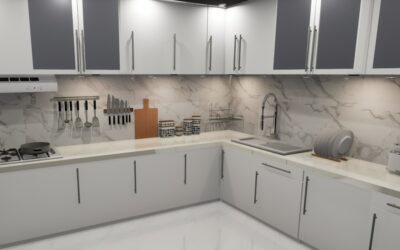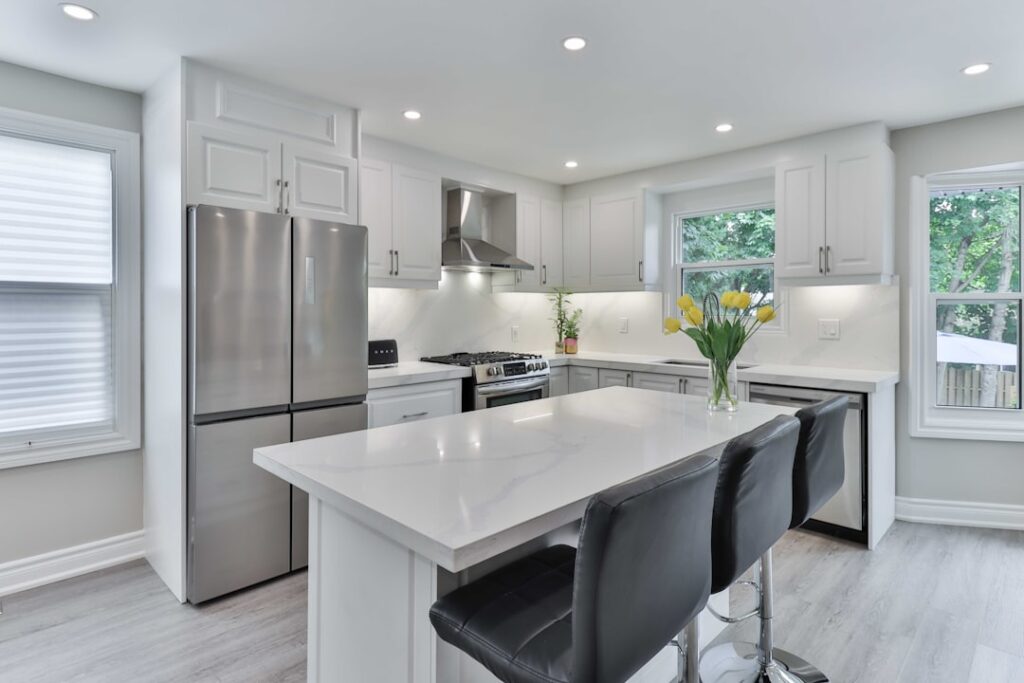
Open any real estate listing from 2010 and you can date the kitchens within five years — chocolate-brown cabinets, granite with busy veining, tuscan-yellow walls. Open a listing from a well-designed 1925 kitchen remodel and it looks appropriate today. That is the difference a timeless approach makes. Classic kitchen design avoids the fashionable cabinet colors, fussy details, and trend-chasing finishes that age a space faster than any other room in the house. This guide covers the elements that look right ten, twenty, and fifty years from now.
Part of our Kitchen Remodeling guide — explore the full guide →
- The Core Principles That Define Classic
- Cabinetry: Shaker, Inset, and Face-Frame
- Countertops That Age Gracefully
- Hardware: The Jewelry of the Kitchen
- Sinks and Faucets: Workhorses That Last
- Flooring Choices That Work
- Lighting That Sets the Scene
- Layout Principles Older Than Trends
- Color Palette and Walls
The Core Principles That Define Classic
Four principles separate a timeless kitchen from a dated one. Symmetry around a range or sink anchors the room visually. Natural materials — stone, wood, unlacquered brass — age into patina rather than wearing out. A restrained color palette of two or three tones prevents the fad-color regret. Generous proportions on cabinet face frames, inset doors, and moldings give the room weight and permanence. Every other decision flows from these four.
Cabinetry: Shaker, Inset, and Face-Frame
Shaker door fronts with simple flat-panel centers remain the default classic choice because they predate every trend and look appropriate in homes from Colonial to mid-century to contemporary. Inset cabinets, where the door sits flush inside the face frame rather than overlaying it, are the upgrade that reads as heirloom-quality. Expect to pay 25 to 40 percent more for inset construction than standard overlay — a worthwhile investment in a forever kitchen. White painted cabinets (Benjamin Moore Simply White, Sherwin-Williams Alabaster, White Dove) and natural stained oak both qualify as timeless; go all-in on one and resist the temptation for a trendy third color on an island.
Countertops That Age Gracefully
Marble, soapstone, butcher block, and honed quartzite top the list of timeless counters. Each develops character rather than wearing out. Carrara and Calacatta marble scratches and etches, which is the patina that makes a 100-year-old bakery island beautiful — accept that or skip marble entirely. Soapstone is nearly indestructible, darkens with mineral-oil seasoning, and looks correct in historic, modern, and rustic kitchens alike. Honed quartzite (Taj Mahal, White Macaubas) offers the look of marble with far better stain resistance.
- Carrara Marble: $60-$100 per square foot installed, ages beautifully, not for the stain-averse
- Soapstone: $70-$120 per square foot installed, zero etching, oils to deepen color
- Butcher Block (walnut or maple): $50-$90 per square foot, requires oiling, perfect for a single work zone
- Honed Quartzite: $80-$140 per square foot installed, low maintenance, natural stone look
Hardware: The Jewelry of the Kitchen
Solid unlacquered brass or oil-rubbed bronze hardware ages into patina rather than chipping. Polished nickel and polished chrome stay crisp indefinitely and suit traditional kitchens. Avoid heavily branded or novelty pulls — plain bin pulls, cup pulls, and simple knobs in a classic material outlast every trend. Rejuvenation, Restoration Hardware, and Top Knobs offer the best selection of heirloom-grade hardware, with pulls in the $15 to $40 per piece range. Budget for 30 to 50 pieces in a typical kitchen.
Sinks and Faucets: Workhorses That Last
Apron-front (farmhouse) sinks in fireclay or solid cast iron remain a classic choice that suits both traditional and modern kitchens. Kohler Whitehaven ($700), Rohl Shaws ($1,200), and Franke Manor House ($900) deliver the deep single-bowl utility that a well-used kitchen demands. For faucets, a bridge design (Waterworks Julia, Rohl Country Kitchen) in polished nickel or unlacquered brass carries the classic banner. A pull-down single-handle faucet works equally well if the design is restrained — avoid high-arc commercial styles with exposed springs in a classic-intent kitchen.
Flooring Choices That Work
Wide-plank white oak or rift-sawn oak hardwood in a natural or honey finish reads classic in any era. Large-format honed marble or limestone tiles work in formal kitchens, and traditional 12×12 or subway-shaped natural stone looks appropriate in cottage kitchens. Avoid bold pattern tiles (encaustic, busy mosaics) unless used very sparingly in a small butler’s pantry or powder room — they date quickly. Good quality engineered hardwood in a matte oil finish is the most practical timeless choice over concrete or radiant-heated slabs.
Lighting That Sets the Scene
Classic kitchens layer four types of light. Recessed can lights (or modern LED wafer lights) give even ambient fill. Under-cabinet lighting on a dedicated switch or motion sensor illuminates the work surface. Decorative pendants over an island — schoolhouse globes, brass lanterns from Visual Comfort or Rejuvenation, or simple cone shades — provide both task light and visual anchor. Finally, a small accent fixture like a sconce over the range hood or a table lamp in a seating area softens the room at night. Keep all lamps at 2,700K warm white for a cohesive feel.
Layout Principles Older Than Trends
The working triangle between sink, range, and refrigerator, first formalized in the 1940s, still produces the most functional kitchens a century later. Each leg of the triangle should measure 4 to 9 feet, and the sum of all three should fall between 13 and 26 feet. Islands work best when they are at least 24 inches deep and 42 inches long with a 42 to 48-inch aisle on each side. A second prep zone with its own small sink near the refrigerator makes two-cook households dramatically more functional — this is the single most valuable upgrade in a large classic kitchen.
Color Palette and Walls
Three-color palettes stand the test of time: warm white cabinets with black or dark green lower cabinets; natural stained wood paired with cream uppers; or an all-white scheme with heavy reliance on natural materials for warmth. Walls in soft white or warm neutral (Benjamin Moore White Dove, Swiss Coffee, or a soft sage) let the cabinetry and stone carry the room. A touch of hand-glazed subway tile, zellige, or simple natural stone backsplash adds handmade character without dating the space.