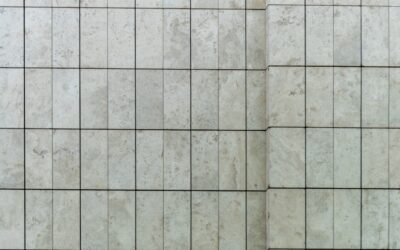
If you are planning a renovation, you will hear the word “tile” constantly, but its exact definition is broader than most people realize. Understanding tile meaning in a home and construction context helps you talk confidently with contractors, compare products, and choose the right material for floors, walls, and counters.
Part of our Tile & Grout guide — explore the full guide →
This guide explains what a tile actually is, the materials tiles are made from, where they are used, and the main types you will encounter when shopping.
What Does Tile Mean?
In construction and home improvement, a tile is a thin, manufactured or cut piece of hard material, usually flat and often square or rectangular, designed to cover a surface. Tiles are installed side by side, typically set in adhesive or mortar with grout filling the joints between them, to create a continuous, durable, water-resistant finish.
The word comes from the Latin tegula, meaning a roof covering. While the term once referred mainly to fired clay roof and floor pieces, today it covers a wide family of products made from ceramic, porcelain, natural stone, glass, and even vinyl. The common thread is that each is a modular unit assembled into a larger surface.
The Core Materials Tiles Are Made From
Material is the first thing to understand, because it drives durability, cost, and where a tile can be used. The main categories are:
- Ceramic: made from clay that is shaped, glazed, and fired. Affordable, versatile, and common on walls and lighter-traffic floors.
- Porcelain: a denser, less porous type of ceramic fired at higher temperatures. Harder, more water-resistant, and well suited to high-traffic floors and wet areas.
- Natural stone: cut from quarried rock such as marble, granite, travertine, slate, and limestone. Each piece is unique, though most stone needs sealing.
- Glass: used mostly for backsplashes and accents. Reflective, non-porous, and easy to clean, but more prone to chipping.
- Vinyl and luxury vinyl tile (LVT): a resilient, synthetic option that mimics stone or wood, prized for comfort underfoot and water resistance.
Knowing the material tells you most of what you need about performance before you even look at price.
Ceramic vs Porcelain
These two get confused constantly, so it is worth a closer look. Both are clay-based and fired, but porcelain uses a finer, denser clay fired at a higher temperature. The result is a tile with a water absorption rate of 0.5 percent or less, compared with higher absorption in standard ceramic.
That density makes porcelain tougher and better for floors, bathrooms, and outdoor use, but also harder to cut and a bit more expensive. Ceramic is easier to work with and lighter on the budget, making it a favorite for walls and rooms that stay relatively dry. Both are excellent choices when matched to the right job.
Where Tile Is Used in the Home
Tile turns up almost everywhere because it is durable and water-resistant. The most common applications include:
- Floors in kitchens, bathrooms, entryways, and laundry rooms where spills and traffic are constant.
- Bathroom walls and shower surrounds, where water resistance is essential.
- Kitchen backsplashes, which protect the wall behind a stove and sink while adding style.
- Countertops, especially in traditional and Southwestern designs.
- Outdoor patios, pool decks, and building facades when rated for exterior use.
The right tile depends on the location. A delicate polished marble suited for a low-traffic wall would be a poor choice on a busy floor, where a slip-resistant porcelain would serve far better.
Common Tile Shapes and Sizes
Beyond material, tiles vary widely in format, and the format shapes the look of a room. Subway tile, a classic 3-by-6-inch rectangle, remains hugely popular for backsplashes and showers. Large-format tiles, 12 by 24 inches and bigger, create a clean, modern floor with fewer grout lines. Mosaic tiles, tiny pieces mounted on a mesh sheet, suit curved surfaces and decorative accents.
Hexagons, planks that imitate hardwood, penny rounds, and patterned encaustic-look tiles round out the options. The size you choose affects not just style but installation: bigger tiles need a flatter substrate, while small mosaics are more forgiving on uneven surfaces.
Why Homeowners Choose Tile
Tile endures as a finish material for practical reasons. It resists water and stains, holds up to heavy foot traffic for decades, and is easy to clean. It does not harbor odors or off-gas, and many tiles pair well with radiant heating underneath. The trade-offs are that tile is hard and cold underfoot, grout lines need occasional cleaning and sealing, and installation labor adds to the cost.
Quality and rating matter. Look at the PEI rating, which grades a tile’s resistance to wear, when choosing flooring, and check the slip-resistance rating for wet areas. Matching the tile to its job is the key to a result that lasts.
How Tile Is Installed
Understanding how tile goes down rounds out the meaning of the word, because installation is part of what makes a tile a tile. The tiles are bonded to a prepared, flat substrate, usually with a cement-based adhesive called thinset mortar. Spacers hold consistent gaps between pieces, and once the adhesive cures, those gaps are filled with grout, a cement or epoxy-based filler that locks the tiles together and seals the joints.
The substrate matters as much as the tile. Floors often need a cement backer board or an uncoupling membrane to prevent cracking, while wet areas like showers require a waterproofing layer behind the tile. This layered system is why a tiled surface is so durable and water-resistant: it is not just the tile, but the mortar, grout, and backing working together. That assembly is what separates true tile from a printed sheet flooring that merely imitates the look.
Putting It All Together
So the meaning of tile is straightforward at its core: a modular piece of hard material used to cover and protect a surface. What makes it rich is the range. From budget ceramic walls to dense porcelain floors, from natural stone counters to resilient vinyl planks, the word covers a whole spectrum of products. Once you understand the material, the size, and the intended location, you can read a tile spec sheet with confidence and pick the option that fits your space, your traffic, and your budget. That foundation makes every later decision in a tiling project far easier.
Prefer to explore on your own?
See how new flooring looks in your actual room in seconds — free, no signup.
Try the free Floor Studio →