Walk into any kitchen showroom and the salesperson will steer you straight to the backsplash wall, because that single surface controls how the whole room feels. The backsplash meaning goes beyond decoration: it is the protective wall surface installed between countertop and upper cabinets (or up to a hood) that catches splashes, grease, and water spray that would otherwise stain or warp your wall. Knowing what counts as a backsplash and what does not changes how you plan, budget, and shop.
Part of our Kitchen Remodeling guide — explore the full guide →
- The Plain Backsplash Meaning, Stripped of Marketing
- Standard Backsplash Heights and Where They Apply
- What a Backsplash Is Not
- Why Backsplash Choice Matters More Than Almost Any Other Kitchen Decision
- Installation Considerations Worth Knowing
- Maintenance Across Different Backsplash Materials
- Color and Pattern Choices That Age Well
- Putting the Backsplash Meaning Into Action
The Plain Backsplash Meaning, Stripped of Marketing
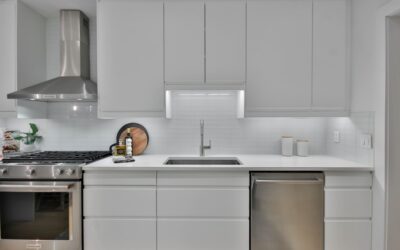
A backsplash is a tile, stone, glass, or sheet material installed on the wall directly behind a sink, stove, or vanity to shield the wall from water, grease, soap, and toothpaste splatter. In a kitchen it typically runs from the countertop to the underside of upper cabinets, a 16- to 18-inch space. In a bathroom it can be a 4-inch ledge above the vanity, a full wall up to the ceiling, or anything in between. The original purpose was strictly functional. Modern design has made it the signature element of most kitchens and powder rooms.
The wall behind any wet zone needs protection. Without a backsplash, drywall paper absorbs moisture and grows mold, paint chips and discolors, and grease soaks into the substrate where no scrub can reach. A backsplash gives you a wipeable, often grout-sealed surface that lasts decades.
Standard Backsplash Heights and Where They Apply
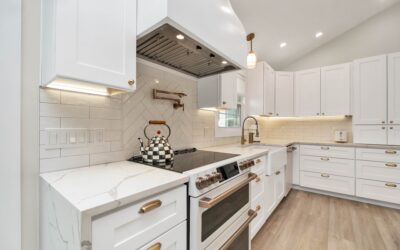
Three heights cover 95 percent of installations. A 4-inch backsplash, often the same material as the counter, runs along the counter’s back edge and is the cheapest, most builder-grade option. The full backsplash spans 16 to 18 inches between counter and upper cabinets, the standard in most US kitchens. The slab or floor-to-ceiling backsplash extends from counter all the way up, sometimes ceiling-to-counter behind a stove with no upper cabinets, and reads as the most upscale.
For bathrooms, the standards are different. A 4-inch vanity backsplash is common, but a full wall of tile from counter to ceiling behind a vanity has become a signature design move in renovated powder rooms.
Materials That Define Modern Backsplashes
- Ceramic and porcelain subway tile: $4 to $15 per sq ft, classic and easy to install
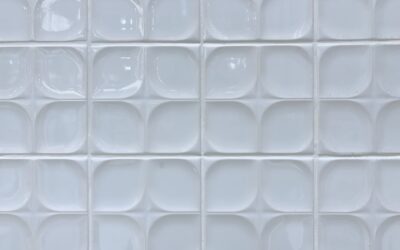
- Glass tile: $7 to $30 per sq ft, reflects light, easier to clean than grouted ceramic
- Natural stone (marble, travertine, slate): $10 to $40 per sq ft, requires sealing
- Stainless steel sheet: $25 to $60 per sq ft, commercial look, fingerprints easily
- Quartz or granite slab: $50 to $120 per sq ft installed, no grout lines
- Peel-and-stick vinyl: $5 to $15 per sq ft, renter-friendly but lifetime is short
What a Backsplash Is Not
A few things commonly confused with a backsplash are technically different. Wainscoting is a wood paneling treatment that runs lower on the wall, usually 32 to 48 inches up, and is decorative rather than splash-protective. A countertop apron or skirt is the vertical face below the counter, not above. A shower surround is a tiled wet-zone wall but is sized for full water exposure, not splash protection. The backsplash meaning is specifically tied to the area immediately above a counter or fixture where occasional water and grease hit.
Why Backsplash Choice Matters More Than Almost Any Other Kitchen Decision
The backsplash typically makes up only 5 to 10 percent of total kitchen square footage, but it captures roughly 30 percent of the visual attention because it sits at eye level. That is why a $400 budget here often outperforms a $4,000 cabinet upgrade in terms of perceived value. Real estate photographers will tell you that a clean, modern backsplash sells houses faster than refinished hardwood floors, because the kitchen photo is what gets a buyer to schedule a showing.
If you are remodeling on a tight budget, prioritize the backsplash before you upgrade appliances, especially if your existing appliances are functional and stainless. New tile in a refreshed pattern transforms how the kitchen reads.
Installation Considerations Worth Knowing
A standard 30-square-foot kitchen backsplash takes a competent DIYer one weekend with about $200 in materials and tools beyond the tile itself. Pro installation runs $40 to $70 per square foot for the labor alone. Subway tile is the easiest pattern. Herringbone, basketweave, and arabesque patterns add 30 to 50 percent more installation time because of cut complexity at the edges.
The substrate matters. Drywall is acceptable for most backsplashes if it is properly primed with a tile-mastic-compatible primer. For wet bath backsplashes that may face direct shower spray, switch to cement board (HardieBacker or Durock) for a moisture-stable base.
Maintenance Across Different Backsplash Materials
Glazed ceramic and porcelain wipe clean with any household spray and a microfiber cloth. Glass tile cleans even faster but shows fingerprints. Natural stone needs sealing every 12 to 18 months with a $25 bottle of penetrating sealer. Marble in particular reacts to lemon juice, vinegar, and tomato sauce, etching permanently if not blotted within minutes. Quartz is impervious to acid and stains and is the lowest-maintenance backsplash material available.
Color and Pattern Choices That Age Well
Trends move fast in backsplash design, but a few choices read timeless rather than dated. Classic white subway tile in a 3×6 size with a soft gray grout has been popular for over 100 years and continues to look current. Honed marble in large-format slabs feels both classic and modern. Hand-glazed zellige tile in cream, soft green, or warm white adds character without screaming for attention. Avoid trend-driven colors like millennial pink or peach orange that will look obviously dated within five years. Stick with neutrals if the backsplash needs to last 15 years or more, and use accent decor to bring color into the kitchen.
Putting the Backsplash Meaning Into Action
Once you grasp the backsplash meaning, the decisions become straightforward. Identify the wet zones, set the height based on the cabinet layout, pick a material that fits your maintenance tolerance, and budget about 5 to 10 percent of your total renovation cost for it. The result is the wall that protects your kitchen for the next 20 years and quietly becomes the photo people remember when they think of your home.