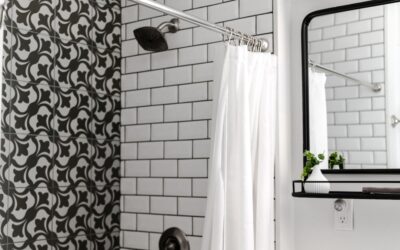
Vinyl flooring has taken over living rooms and kitchens for its waterproof toughness and easy install, so it is natural to wonder about vinyl shower tile for the wettest room in the house. Can vinyl really handle a shower, and if so, how do you do it right? The honest answer is nuanced: vinyl can work beautifully on bathroom floors and even some shower surrounds, but it demands careful attention to waterproofing and product selection. Here is what you need to know.
Part of our Bathroom Remodeling & Flooring guide — explore the full guide →
- What Vinyl Shower Tile Means
- The Critical Question: Waterproofing
- Where Vinyl Works and Where to Be Cautious
- Pros of Vinyl in the Bathroom
- Cons and Real Limitations
- Costs Compared
- Installation Cautions
- A Practical Recommendation
- Types of Vinyl Used in Bathrooms
- Signs of a Failing Vinyl Installation
- Final Thoughts on Vinyl Shower Tile
What Vinyl Shower Tile Means
Vinyl shower tile usually refers to luxury vinyl tile or plank, or vinyl wall tile, installed in or around a shower area. Modern luxury vinyl is 100 percent waterproof at the surface, printed to convincingly mimic stone, ceramic, or wood, and far warmer and softer underfoot than porcelain. Some products are designed specifically as waterproof wall panels or vinyl tiles for wet areas. The appeal is obvious: a warm, comfortable, water-resistant surface that installs faster and often cheaper than traditional tile.
The Critical Question: Waterproofing
Here is the most important thing to understand. Vinyl itself is waterproof, but a shower is not just about the visible surface; it is about keeping water from reaching the structure behind and beneath it. Traditional tile relies on a waterproof membrane and mortar bed, with grout and tile as the finished layer. With vinyl, the seams, edges, and the substrate behind it are the vulnerability. Water that sneaks behind vinyl at seams or edges has nowhere to evaporate and can cause mold, rot, and adhesive failure. That is why proper waterproofing behind and beneath vinyl is non-negotiable in a shower.
Where Vinyl Works and Where to Be Cautious
Vinyl performs differently depending on location within the bathroom:
- Bathroom floors (outside the shower): an excellent, warm, waterproof choice widely recommended.
- Shower walls: possible with purpose-made waterproof vinyl panels and proper sealing, though many manufacturers still recommend tile.
- Shower floors and pans: the most demanding area, with constant standing water and slope requirements; traditional tile or a dedicated shower pan system is usually the safer choice.
Always check the manufacturer’s specifications. Many standard luxury vinyl products are warranted for bathroom floors but explicitly not for continuous-immersion shower pans.
Pros of Vinyl in the Bathroom
There are real reasons homeowners consider vinyl for wet spaces:
- Warmth and comfort: vinyl feels warmer and softer underfoot than cold porcelain.
- Waterproof surface: the wear layer resists water, spills, and humidity.
- Slip resistance: many textured vinyls offer good traction when wet.
- Faster, lower-cost install: fewer specialized steps than a full tile job.
- Realistic looks: convincing stone, marble, and ceramic visuals.
Cons and Real Limitations
The drawbacks are important to weigh honestly. Seams and edges are potential water-entry points that require meticulous sealing. Standing water in a shower pan is far more demanding than occasional splashes on a bathroom floor. Some vinyl adhesives can fail under constant moisture and heat. Resale expectations matter too; buyers and appraisers often expect tile in showers, and a vinyl shower can be viewed as less premium. Finally, warranties frequently exclude shower-pan use, which can leave you unprotected if problems arise.
Costs Compared
Vinyl is generally more affordable than tile. Luxury vinyl tile and plank typically run $2 to $7 per square foot for materials, with premium waterproof lines reaching $8 to $10. Installation is often $2 to $6 per square foot, less than tile because there is no grouting or mortar bed. By comparison, a tiled shower can run $15 to $30 or more per square foot installed once waterproofing, tile, and labor are included. The savings are real, but for shower pans specifically, the risk of moisture failure can erase those savings through costly repairs.
Installation Cautions
If you proceed with vinyl in or near a shower, treat waterproofing as the foundation of the entire job. Install a proper waterproof membrane or backer system behind wall vinyl, seal all seams and edges meticulously, and ensure any floor slopes correctly to the drain. Use adhesives rated for wet, warm environments, and follow the manufacturer’s wet-area instructions to the letter. For shower floors and pans, strongly consider a dedicated tile-and-membrane system or a manufactured shower base instead, reserving vinyl for the bathroom floor and, at most, walls rated for wet use.
A Practical Recommendation
For most homeowners, the smart split is this: use luxury vinyl on the main bathroom floor, where it is warm, waterproof, and worry-free, and use traditional tile with a proper membrane inside the shower itself, especially on the pan. This hybrid gives you the comfort and value of vinyl where it excels and the proven, long-term waterproofing of tile where water pools and pounds daily. If you want a fully vinyl look inside the shower, choose only products the manufacturer explicitly warrants for that use and have them installed by someone experienced in wet-area vinyl.
Types of Vinyl Used in Bathrooms
Not all vinyl is the same, and knowing the categories helps you choose wisely for a bathroom or shower area. The main types you will encounter include:
- Luxury vinyl tile and plank (LVT/LVP): rigid or flexible waterproof planks and tiles, excellent for bathroom floors and, with proper prep, some walls.
- Waterproof vinyl wall panels: larger sheets or panels designed specifically for shower and tub surrounds, with sealed seams.
- Sheet vinyl: continuous rolls with very few seams, a budget-friendly, water-resistant option for bathroom floors.
- Peel-and-stick vinyl tile: the least suitable for wet areas, as the adhesive and seams often fail under moisture.
For any application near water, favor purpose-made waterproof products with minimal, well-sealed seams over thin peel-and-stick tiles, which are the most likely to lift and fail in a humid bathroom.
Signs of a Failing Vinyl Installation
If you already have vinyl in or near a shower, watch for early warning signs that moisture is getting where it should not. Catching problems early can prevent hidden rot and mold behind the surface. Look for edges or seams that are lifting or curling, discoloration or dark spots that suggest trapped water, a soft or spongy feel underfoot, a persistent musty odor, or adhesive that has let go so the vinyl shifts. Any of these signals that water has breached the surface and the waterproofing beneath has been compromised. Addressing it promptly, by resealing seams, replacing failed sections, or in serious cases removing the vinyl to inspect and dry the substrate, protects your bathroom from far costlier structural and mold damage down the line. Regular inspection of the seams and edges is the simplest way to keep a vinyl bathroom healthy.
Final Thoughts on Vinyl Shower Tile
The idea of vinyl shower tile is appealing for its warmth, waterproof surface, and lower cost, and vinyl genuinely excels on bathroom floors. Inside the shower, though, success hinges entirely on flawless waterproofing behind and beneath the vinyl, and shower pans remain the riskiest spot. Read the manufacturer’s warranty carefully, respect the limitations, and when in doubt lean on tile for the pan. Match the material to the moisture, and your bathroom will stay beautiful and dry for years.
Ultimately, the smartest approach treats waterproofing as the real product and the vinyl as merely the visible finish. Whether you choose vinyl, tile, or a hybrid of the two, the surfaces you can see matter far less than the membrane and substrate you cannot. Invest in that hidden protection, follow the manufacturer’s wet-area instructions to the letter, and inspect seams and edges periodically. Do that, and you can enjoy the warmth, comfort, and value that make vinyl so appealing while sidestepping the moisture failures that give poorly planned bathroom projects a bad name. When in doubt, consult a professional experienced in wet-area installations before committing.
Prefer to explore on your own?
See how new flooring looks in your actual room in seconds — free, no signup.
Try the free Floor Studio →