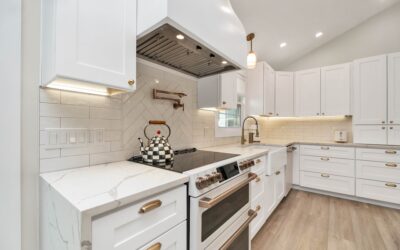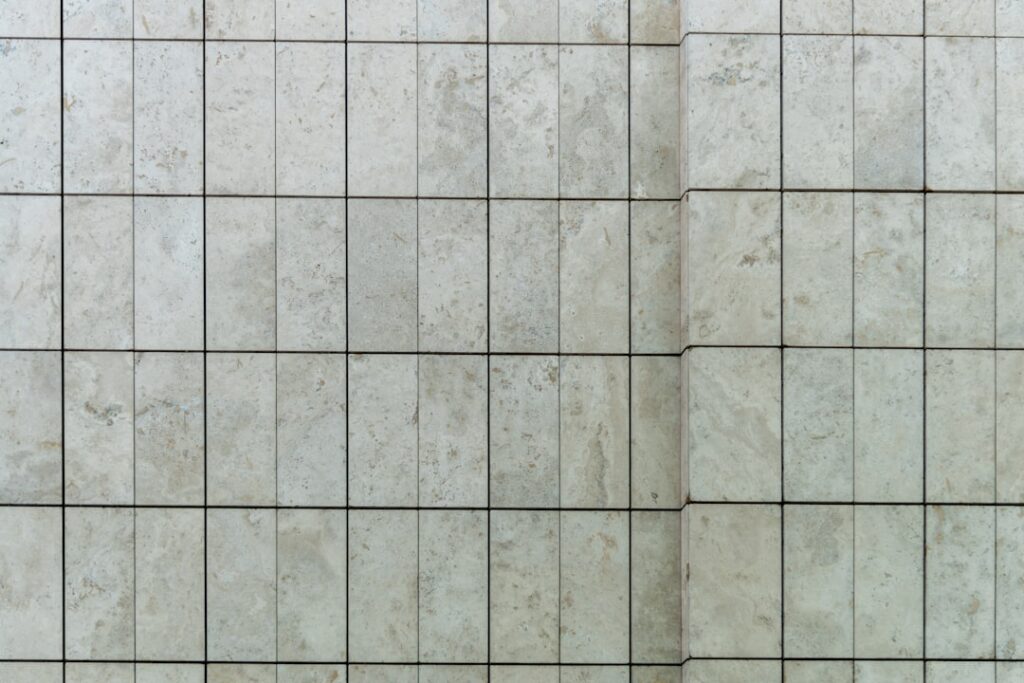
If you have been searching for tile para cocina, you are looking for kitchen tile, since the phrase translates directly from Spanish to English as “tile for the kitchen.” Whether you are picking material for the floor, the backsplash, or both, the kitchen is the hardest-working room in the house, and the tile you choose has to stand up to dropped pans, spilled sauce, hot grease, and constant foot traffic. The good news is that tile is arguably the best surface for the job, and you have more attractive, durable options today than ever before.
Part of our Tile & Grout guide — explore the full guide →
After tiling kitchens across every price range, I can tell you the biggest mistakes come from choosing tile that looks great in the showroom but performs poorly once real cooking begins. Let me walk you through what actually holds up.
- Why Tile Rules the Kitchen
- Porcelain vs. Ceramic for a Kitchen
- Choosing Kitchen Floor Tile
- Choosing a Backsplash
- What Kitchen Tile Costs
- Grout and Sealing Matter More Than You Think
- Installation and Layout Advice
- Popular Kitchen Tile Trends
- DIY vs. Hiring a Pro
- Making the Right Choice for Your Cocina
Why Tile Rules the Kitchen
Few materials handle kitchen abuse the way tile does. It shrugs off water, resists heat, wipes clean of grease, and does not scratch when you drag a stool across it. A quality porcelain floor can outlast the cabinets above it by decades. Compared with hardwood that dents and warps or vinyl that can scorch, tile gives you a surface engineered for spills and spatters.
Tile also gives you design range that few materials match. You can get the warmth of wood-look planks, the drama of marble-look porcelain, or the color of hand-glazed ceramic, all in a package that mops clean in minutes. That combination of toughness and looks is why tile remains the default choice for serious kitchens.
Porcelain vs. Ceramic for a Kitchen
The first decision is material. Both porcelain and ceramic are fired clay, but they perform differently:
- Porcelain: Denser and less porous, with a water absorption rate under 0.5 percent. It is the top pick for kitchen floors because it resists staining, chipping, and moisture even in high-traffic zones.
- Ceramic: Softer and more affordable, and a fine choice for backsplashes and walls where it will not take heavy impact. It is easier to cut, which makes it friendlier for DIY.
For a kitchen floor that a family will beat on for 20 years, spend the extra few dollars per square foot on porcelain rated for floor use. Save ceramic for the vertical surfaces where durability demands are lower.
Choosing Kitchen Floor Tile
On the floor, look past looks to the technical ratings. Check the PEI rating, which measures surface wear; aim for PEI 4 or 5 in a busy kitchen. Just as important is the slip rating. A kitchen floor gets wet, so choose a tile with a coefficient of friction of at least 0.42 or a texture that grips underfoot. A glossy polished tile may photograph beautifully but turns treacherous the moment water hits it.
Larger formats like 12×24 inch planks or 24×24 inch squares suit modern kitchens and mean fewer grout lines to scrub. Wood-look porcelain planks give you the warmth of a wood floor with none of the water worries, which is why they have become so popular in open-concept homes where the kitchen flows into living space.
Choosing a Backsplash
The backsplash is where you get to have fun, because it takes almost no abuse beyond the occasional grease splatter. Classic 3×6 subway tile remains the most requested look for good reason: it is affordable, timeless, and easy to clean. Beyond that, homeowners are gravitating toward:
- Zellige and handmade ceramic: Slight color variation and glossy glaze for an artisan feel.
- Mosaic sheets: Glass, marble, or penny rounds for an accent behind the range.
- Large-format slabs: A single sheet of porcelain that runs from counter to hood with almost no grout.
Whatever you choose, use an easy-clean grout and seal it if it is porous. Grease and tomato sauce are the enemies of a light-colored backsplash.
What Kitchen Tile Costs
Pricing spans a wide range. Budget ceramic runs $2 to $5 per square foot, mid-grade porcelain lands at $5 to $12, and designer or imported tile can exceed $20. For a typical kitchen, material for the floor might total $400 to $1,200, with backsplash material adding $150 to $600 since the area is small.
Professional installation adds $8 to $15 per square foot for floors and often more for intricate backsplash work with a lot of cuts. A full kitchen floor and backsplash installed by a pro commonly runs $2,500 to $6,000 depending on your area and the complexity of the layout.
Grout and Sealing Matter More Than You Think
The tile itself is only half the equation. Grout is where kitchens fail cosmetically, because it absorbs grease and traffic grime and turns dingy. For a kitchen, I strongly recommend a stain-resistant grout, ideally a single-component urethane or an epoxy grout in high-splash zones. These cost more but resist the staining that makes cement grout look tired within a couple of years.
Choose a mid-tone grout color rather than bright white on floors, since it hides traffic patterns far better. Behind the range, a grout that shrugs off oil will save you hours of scrubbing over the life of the kitchen.
Installation and Layout Advice
Whether you DIY or hire out, layout planning pays off. Start floor layouts from the center of the room and balance the cut tiles at the edges so you do not end up with a sliver against a cabinet. Under floor tile, a proper mortar bed or a crack-isolation membrane prevents the hairline cracks that plague tile set over flexing subfloors.
If your kitchen sits over a wood subfloor, make sure it is stiff enough for tile, since deflection is the number one cause of cracked grout and loose tile. A cement backer board or an uncoupling membrane like Ditra is cheap insurance against future failures.
Popular Kitchen Tile Trends
Kitchen tile styles shift, and knowing what is current helps you choose a look that feels fresh but not fleeting. Right now, several directions dominate American kitchens:
- Wood-look plank porcelain: The warmth of hardwood with the waterproof toughness of tile, ideal for open-concept homes.
- Handmade-look zellige backsplashes: Glossy, slightly uneven tiles that add artisan character behind the range.
- Large-format floor tile: 24×24 inch and bigger formats that cut grout lines and read clean and modern.
- Vertical and stacked backsplash layouts: A contemporary alternative to the classic offset brick pattern.
Trends aside, the safest long-term bets remain neutral floor tile and a classic backsplash you can accessorize around, since those never fight future updates to cabinets or paint.
DIY vs. Hiring a Pro
Whether to tackle kitchen tile yourself depends on the surface and your comfort with tools. A backsplash is one of the most beginner-friendly tile projects because it is a small vertical area with forgiving sightlines, and many homeowners complete one over a weekend with a snap cutter and a bucket of premixed adhesive. The reward-to-difficulty ratio is excellent.
A full kitchen floor is a bigger commitment. It demands proper subfloor prep, a wet saw for clean cuts around cabinets and appliances, and the stamina to set tile on your knees for hours. If the floor flexes or the layout is complex, the cost of a professional, typically a few thousand dollars, buys you a crack-free result that lasts decades. Be honest about your skills: a failed floor is far more expensive to fix than it would have cost to hire out from the start.
Making the Right Choice for Your Cocina
When you shop for tile para cocina, match the material to the job: dense, slip-resistant porcelain on the floor and lighter ceramic, glass, or mosaic on the backsplash. Prioritize a high PEI rating and good traction underfoot, spend on stain-resistant grout, and do not skimp on subfloor prep. Do those things and your kitchen tile will handle years of daily cooking while still looking sharp.
Tile remains the most practical surface in the busiest room of your home. Choose it with an eye toward how you actually cook and clean, and it will reward you every single day.
Prefer to explore on your own?
See how new flooring looks in your actual room in seconds — free, no signup.
Try the free Floor Studio →