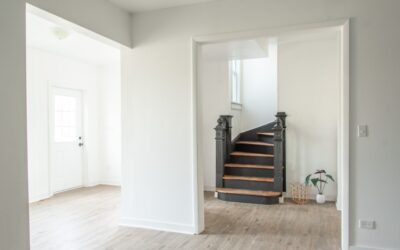
Tile stair treads combine two things that rarely coexist in stair materials: near-bulletproof durability and genuine design flexibility. Where carpet wears out and wood scratches, a properly installed tiled step shrugs off decades of foot traffic, resists moisture, and can be pulled straight through from an adjoining tiled floor for a seamless look. For entryways, basements, patios, and any high-wear staircase, tile is one of the smartest long-term choices you can make.
Part of our Stairs & Stair Flooring guide — explore the full guide →
That said, stairs are the single most demanding place to lay tile. The edges take abuse, the geometry has to be exact, and safety is not optional. This guide covers the tread types, edge finishes, safety details, and cost realities you need to plan a staircase that looks great and holds up for the long haul.
Why Choose Tile for Stairs
The case for tile on stairs is strong in the right settings. Porcelain in particular is dense, hard, and nearly impervious to water, which makes it ideal for exterior steps, basement stairs, and high-traffic entries. Unlike carpet, it does not trap allergens or show traffic lanes. Unlike solid wood, it will not dent, and it handles wet shoes and spills without a second thought.
Design is the other big draw. Tile lets you continue a floor material up a staircase for a cohesive flow, add a decorative riser for a Mediterranean or Spanish flair, or create a crisp modern look with large-format treads. Few materials give you that combination of endurance and style.
Types of Tile Suited for Treads
Not every tile belongs on a stair. The material has to survive concentrated edge wear and, critically, resist slipping. The best performers include:
- Porcelain: The go-to for stairs. Dense, low-absorption, and available in wood-look, stone-look, and solid colors. Choose a textured or matte surface for grip.
- Natural stone: Granite, slate, and travertine bring organic beauty and strength. Slate and flamed granite offer natural traction; polished stone can be dangerously slick.
- Purpose-made stair tread tiles: Manufactured with a built-in bullnose edge and often an anti-slip strip, sized specifically for step depth.
Avoid glossy, low-friction tile on any stair. Look for a slip-resistance rating, expressed as a coefficient of friction or a DCOF value of 0.42 or higher for interior use, and higher still for wet exterior steps.
The Critical Edge: Bullnose and Nosing
The front edge of a stair, the nosing, is where tile stairs succeed or fail. A raw, square tile edge is sharp, chips easily, and is a genuine trip and injury hazard. You need a finished, rounded, or protected edge. Your main options are:
- Bullnose tread tiles: Pieces manufactured with a rolled, rounded front edge designed exactly for this purpose. The cleanest, most durable solution.
- Metal or PVC stair-nosing trim: An L-shaped profile in aluminum, brass, or plastic that caps the edge, protects the tile, and often includes a grip insert.
- Mitered edges: Two tiles cut at 45 degrees and joined to wrap the edge, a high-end look that requires skilled fabrication.
Whichever you choose, the nosing should overhang the riser slightly and be firmly bonded. Loose or hollow-sounding nosing is the most common failure point on tiled stairs and must be fixed immediately.
Safety First: Slip Resistance and Visibility
Stairs cause a huge share of household falls, and tile’s hardness makes a slip more consequential. Build safety in from the start. Specify textured or honed tile rather than polished, and add anti-slip strips or grooves on the tread near the nosing where feet land. For outdoor steps that see rain, ice, or pool splash, insist on high slip-resistance ratings and consider a contrasting color band at the front edge so each step is clearly visible.
Consistency matters as much as traction. Every tread must be the same depth and every riser the same height; even a small variation of a quarter inch throws off a person’s stride and causes stumbles. This is one reason careful layout and a level installation are non-negotiable on stairs.
Riser Design Options
Risers, the vertical faces between treads, are your chance to add personality. You can tile them in a solid color to match the tread, leave them painted for a lighter look, or add patterned decorative tiles for a striking staircase feature. Because risers take little wear, you have more freedom to use decorative or lower-durability tile there than on the treads themselves.
Installation Essentials
Tiling stairs is precise work best suited to an experienced installer, though a careful DIYer can manage a small run. A few essentials govern success. The substrate must be solid and free of flex; any bounce in the stringers will crack tile and grout, so reinforce as needed. Install treads and nosing before risers where possible, and always set the nosing first so the tread edge is fully supported.
Use a high-quality modified thinset rated for the tile and, on exterior stairs, one rated for freeze-thaw conditions. Back-butter each piece to ensure full coverage; voids under a tread lead to cracks under load. Maintain consistent grout joints, and use a flexible, stain-resistant grout, epoxy or a premium polymer-modified product, to handle the movement and moisture stairs endure.
Cost Expectations
Tiled stairs cost more per step than a plain floor because of the labor-intensive edge work. Material for tread and riser tile typically runs $5 to $25 per sq ft, with purpose-made bullnose treads and natural stone at the higher end. Metal nosing trim adds a few dollars per linear foot. Labor is the big variable: expect roughly $40 to $100 or more per step installed, depending on complexity, mitered edges, and site conditions. A standard interior flight of 13 steps often lands somewhere between $1,500 and $4,000 all in. It is a real investment, but spread over the decades tile lasts, the cost per year is modest.
Maintenance and Longevity
Once installed, tiled stairs are refreshingly low-maintenance. Sweep or vacuum grit that would otherwise abrade the surface, and damp-mop with a pH-neutral cleaner. Seal natural stone treads and cementitious grout to guard against staining, and reseal periodically. Inspect the nosing once or twice a year, tapping for hollow spots and checking for chips; catching a loose edge early prevents both a safety hazard and a bigger repair. With this minimal care, a well-built tile staircase will easily outlast carpet or wood several times over.
Indoor Versus Outdoor Stair Tile
The demands on interior and exterior stairs differ enough that you should treat them as separate projects. Indoor treads prioritize appearance and comfort underfoot, so you have latitude to use wood-look porcelain, honed stone, or decorative risers. The traffic is steady but the environment is stable, with no freezing, no rain, and no direct sun.
Outdoor stairs face a harsher world. Freeze-thaw cycles will destroy a tile that absorbs water, so specify porcelain with very low absorption, under 0.5 percent, rated for exterior use, and set it with freeze-thaw-rated thinset over a properly sloped, well-drained base. Slip resistance becomes critical because rain, ice, and morning dew all reduce traction; textured or structured-surface tiles are mandatory here. Never carry an interior-grade glazed tile outdoors and expect it to survive a northern winter.
Handling Landings and Turns
Staircases with landings or winder turns add complexity because the tile layout has to flow around a corner while keeping tread depths consistent. Plan the layout on paper first, center your pattern thoughtfully, and pay special attention to the nosing at the pivot points, where cuts get tricky and edges are most exposed. A landing is also a natural place to introduce a decorative inset or a contrasting border, which can turn an awkward transition into a design highlight.
Final Thoughts
Tile stair treads reward careful planning with a staircase that is durable, elegant, and easy to live with. Choose dense porcelain or textured stone with real slip resistance, treat the nosing as the make-or-break detail, and keep every tread and riser dimensionally consistent for safety. Whether you are finishing a basement, upgrading an entry, or building outdoor steps that face the weather, tile delivers a hardworking surface that looks as good years from now as the day it was set.
Prefer to explore on your own?
See how new flooring looks in your actual room in seconds — free, no signup.
Try the free Floor Studio →