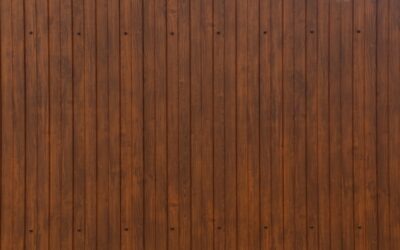
Hardwood in a bathroom is a slow-motion insurance claim, which is exactly why tile that looks like wood planks has become one of the best-selling flooring categories in America. Modern inkjet printing puts photorealistic oak, hickory, and walnut visuals on porcelain planks that shrug off water, dog claws, and dropped pans for 50 years or more. Wood-look tile is not a compromise product anymore — but it does have real trade-offs in comfort, cost, and installation difficulty that deserve an honest accounting before you commit.
Part of our Tile & Grout guide — explore the full guide →
Porcelain vs. Ceramic Planks
Nearly all wood-look plank tile worth buying is porcelain. Porcelain is fired at higher temperatures from denser clay, absorbs less than 0.5 percent water, and is rated for floors, showers, and even outdoor use in most climates. Ceramic wood-look tile exists at lower prices ($1 to $3 per square foot), but it chips more easily, and a chip exposes a differently colored clay body that ruins the wood illusion. Porcelain planks are typically color-bodied or full-bodied, so minor edge chips stay nearly invisible. For floors, spend the extra dollar on porcelain — $2 to $7 per square foot covers a wide range of excellent product from brands like Daltile, Marazzi, MSI, and Florida Tile.
What Separates Convincing Tile From Obvious Fakes
Three specs determine whether guests do a double-take or spot the tile from the doorway:
- Print variation (face count). Budget lines print as few as 4 to 6 unique plank faces, so the same knot pattern repeats down your hallway. Quality lines carry 20 to 100+ faces. Ask for the face count or lay out a full box and look for twins.
- Texture. The best planks have embossed grain texture that lines up with the printed grain, plus matte finishes. Glossy wood-look tile fools no one.
- Rectified edges. Rectified tile is mechanically ground to exact dimensions, allowing tight 1/16- to 1/8-inch grout joints. Non-rectified planks need 3/16-inch or wider joints, and wide grout lines are the number one giveaway that a floor is tile.
Plank sizes run from 6-by-24 inches (the entry standard) through 8-by-48 and even 9-by-72. Longer planks look more like real hardwood but demand a flatter substrate and more installation skill.
Where Wood-Look Tile Beats Real Wood
The pitch is simple: hardwood looks in places hardwood cannot survive. Full bathrooms, laundry rooms, mudrooms, entryways, basements on slab, and kitchens with enthusiastic dishwashers are all natural territory. Porcelain is fireproof under woodstoves, fade-proof in sun-blasted rooms, and immune to the pet accidents that permanently stain oak. It is also the best flooring in the business over radiant heat — tile conducts warmth far better than wood or vinyl — and a strong choice in hot, humid climates where solid hardwood moves seasonally.
Durability numbers back it up. Look for a PEI wear rating of 3 or higher for residential floors (most porcelain planks are PEI 3-5) and a DCOF slip rating of 0.42 or above for wet areas, which textured wood-look surfaces usually meet easily. A properly installed porcelain floor routinely outlasts the house’s second kitchen remodel.
The Honest Downsides
Tile is hard and cold — those are physics, not defects. Standing on porcelain for an hour of cooking is tougher on knees and backs than standing on wood or vinyl, and dropped glassware rarely survives. In northern climates an unheated tile floor is genuinely cold underfoot in January (radiant heat or area rugs solve this at a price). Tile is also loud, so plan on rugs in living spaces and echoes in empty rooms.
Grout is the other maintenance reality. Even tight joints collect grime, and light-colored grout in a kitchen will need sealing (or better, an epoxy or urethane grout at install time) to stay presentable. Finally, tile is essentially permanent: removing a bonded porcelain floor is a demolition job, so choose a visual you can live with for decades.
Cost to Buy and Install
- Material: $2 to $7 per sq ft for quality porcelain planks; designer lines $8 to $12.
- Professional installation: $6 to $12 per sq ft for plank tile — higher than square tile because plank layouts demand flatter floors and more cuts.
- Substrate prep: self-leveling underlayment adds $2 to $4 per sq ft where floors are wavy; cement board over wood subfloors adds $2 to $3.
- All-in typical range: $10 to $18 per sq ft installed — comparable to mid-grade hardwood, with a far longer wet-area lifespan.
DIY saves the labor line but plank tile is among the least forgiving DIY tile projects; be realistic about your skill before banking those savings.
Installation Details That Make or Break the Look
Long planks bow slightly in firing — a hair of crowning in the middle is normal and allowed within spec. Because of that, never install plank tile with a 50 percent offset like a brick wall; the high center of one plank lands next to the low end of its neighbor and creates lippage you will feel barefoot. Use a 33 percent (one-third) offset or a random stagger, which is also how real hardwood lays out. Additional non-negotiables:
- Floor flatness within 1/8 inch over 10 feet for planks 15 inches and longer — fix it with self-leveler first.
- A leveling clip system (Spin Doctor, MLT, Raimondi) to control lippage between long planks.
- Back-buttering large planks and a 1/2-inch notched trowel with LFT (large-format tile) mortar to achieve full coverage.
- Grout matched to the tile’s base tone — blending grout makes joints vanish at three feet and is the single best trick for realism.
- Movement joints at the room perimeter and every 20 to 25 feet in large fields.
Cleaning and Long-Term Care
Maintenance is where porcelain planks embarrass every competitor. Sweep or vacuum grit, damp-mop with water or a neutral tile cleaner, and you are done — no refinishing, no special products, no fear of steam mops or wet spills. The only recurring task is grout: sweep joints when you sweep the floor, and refresh sealer on cementitious grout every year or two in kitchens. Choosing an epoxy or urethane grout at installation eliminates even that, since neither needs sealing and both resist staining for the life of the floor. Avoid oil-based cleaners and wax products, which leave films that dull the matte finish and make tile slippery — the two complaints that almost always trace back to cleaning products rather than the tile.
Should You Buy It?
Choose tile that looks like wood planks when the room sees water, pets, sun, or radiant heat, and when you want a floor with a multi-decade horizon. Choose real hardwood or a quality vinyl plank when underfoot comfort, warmth, and easy future replacement matter more than bulletproof durability. For the millions of kitchens, baths, and slab-built sunbelt homes in between, wood-look porcelain hits a combination nothing else offers: the style vote of hardwood with the maintenance schedule of tile. Buy a high face-count rectified porcelain, insist on a one-third offset and matching grout, and most visitors will be kneeling down and knocking on your floor before they believe you.
Prefer to explore on your own?
See how new flooring looks in your actual room in seconds — free, no signup.
Try the free Floor Studio →