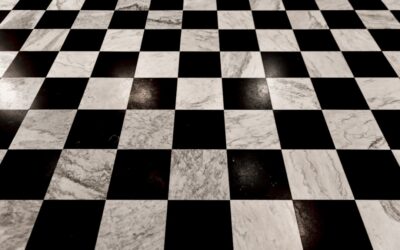
Stand two feet from a well-made luxury vinyl floor and you may not be able to tell it from ceramic — until you touch it and feel warmth instead of cold stone. Vinyl plank flooring that looks like tile has become one of the most convincing tricks in flooring, using high-resolution photography, embossed texture, and even recessed grout grooves to copy travertine, marble, slate, and glazed ceramic. The look is the point, so it is worth understanding exactly how the illusion is built and where it holds up.
Part of our Tile & Grout guide — explore the full guide →
What Makes the Tile Look Convincing
The realism starts with the print film. Manufacturers photograph real stone and ceramic at high resolution, then vary the pattern across dozens of unique planks so you do not see the same “tile” repeating across the room. On cheap product the repeat is obvious; on premium product you can walk the whole floor before spotting a duplicate.
Texture seals the deal. Embossed-in-register (EIR) technology presses the surface texture to line up exactly with the printed image, so the veining you see also has a groove you can feel. Slate looks cleft, travertine looks pitted, and honed marble feels smooth. That marriage of print and texture is what separates a floor that fools people from one that reads as plastic.
Grout Lines and Groutable Options
Real tile has grout, and that is the hardest cue to fake. Manufacturers handle it two ways. Most rigid-core tile-look planks come with a beveled or recessed groove along the edges that mimics a grout joint once the planks lock together — no actual grout required, and the floor stays fully waterproof.
Groutable luxury vinyl tile goes a step further. These squares install with a small gap and take a flexible acrylic grout in the joints, giving a nearly indistinguishable ceramic look with a real grout line you can color-match. The trade-off is a slower install and a grout line you eventually have to clean, but the payoff is realism that fools almost everyone. Choose grooved planks for speed, groutable tile for maximum authenticity.
Where Tile-Look Vinyl Beats the Real Thing
The reason people reach for vinyl plank flooring that looks like tile is rarely just price — it is comfort. Real tile is hard, cold, and unforgiving. Vinyl copies the appearance while fixing the parts of tile people quietly dislike.
- Warmth: vinyl does not leach heat from your feet the way porcelain does on a January morning.
- Comfort underfoot: a slight give and an attached pad make it easier on knees and backs during long stretches at the sink.
- Quiet: no sharp click of shoes; the floor absorbs sound instead of amplifying it.
- Forgiving: a dropped glass is more likely to survive, and a dropped plate is less likely to chip the floor.
- Cost and install: lower material price and a DIY-friendly floating install versus mortar, spacers, and grout.
There is also the water story. Rigid-core vinyl is waterproof through and through, so bathrooms, laundry rooms, and kitchens get the tile look without the risk of water finding a cracked grout line and reaching the subfloor.
Where Real Tile Still Wins
Honesty matters. Genuine porcelain and stone outlast vinyl in a few real ways. Tile shrugs off heat, so it is the safer pick directly in front of a wood stove or under a sunny south-facing window where vinyl can soften or expand. It also carries more resale prestige in high-end kitchens and baths, and a quality tile floor can last decades longer than a wear layer that eventually scuffs through.
Heavy furniture and sharp grit are vinyl’s weak spots. Drag a refrigerator across it and you can gouge the wear layer, something porcelain would ignore. If ultimate durability and a truly premium feel outrank comfort and budget, real tile is still the answer.
Installing a Tile-Look Vinyl Floor
Most tile-look vinyl installs as a floating click floor, which keeps the DIY appeal intact. The layout matters more than with wood-look planks, though, because a tile grid draws the eye to any crookedness. Snap chalk lines and dry-lay a row before you commit, and center the pattern so you do not end up with a sliver of “tile” against the most visible wall.
Groutable versions take extra steps. You set the tiles with a small consistent gap using spacers, let them lock or set, then apply flexible acrylic grout and wipe the haze — much like real tile but without mortar. It is slower, but a color-matched grout line is what pushes the realism past the point where guests can tell. Grooved-edge planks skip all of that and go down as fast as any click floor.
Cleaning and Keeping the Look
One quiet advantage over the real thing is maintenance. There is no porous grout to seal and no cold surface to warm up, so care is as simple as sweeping grit and damp-mopping with a pH-neutral cleaner. Grooved “grout” lines collect a little dust, but they never grow mildew the way cement grout can in a humid bath.
Protect the wear layer and the tile look lasts. Felt pads under furniture, a mat at the door to catch abrasive grit, and prompt cleanup of sand keep the printed surface crisp. Avoid dragging appliances across it, since a sharp edge can score the film that carries the whole illusion.
What to Look For When Shopping
Not every tile-look plank delivers, so shop the details rather than the display lighting:
- Wear layer: 12 mil is a reasonable floor for a home; 20 mil or more for busy households and pets.
- Pattern variety: ask how many unique faces are in the run — more variation means a more believable floor.
- EIR texture: confirm the texture registers to the print, not a generic overlay.
- Grout treatment: decide between grooved-edge planks and true groutable tile before you buy.
- Format: larger squares read most like real tile; narrow planks look more like wood.
Bring a sample home and lay it on the actual floor in daylight. Display racks flatter everything; your own room, with your own light, tells the truth.
The Bottom Line
Vinyl plank flooring that looks like tile has closed most of the gap with the real thing, and for kitchens, baths, and living areas where comfort and cost matter, it often makes more sense than ceramic. You get the stone-and-grout look, a warmer and quieter floor, full waterproofing, and an install you can tackle yourself. Save real tile for the spots that demand its heat resistance and longevity, and let convincing vinyl handle the rest of the house.
Prefer to explore on your own?
See how new flooring looks in your actual room in seconds — free, no signup.
Try the free Floor Studio →