
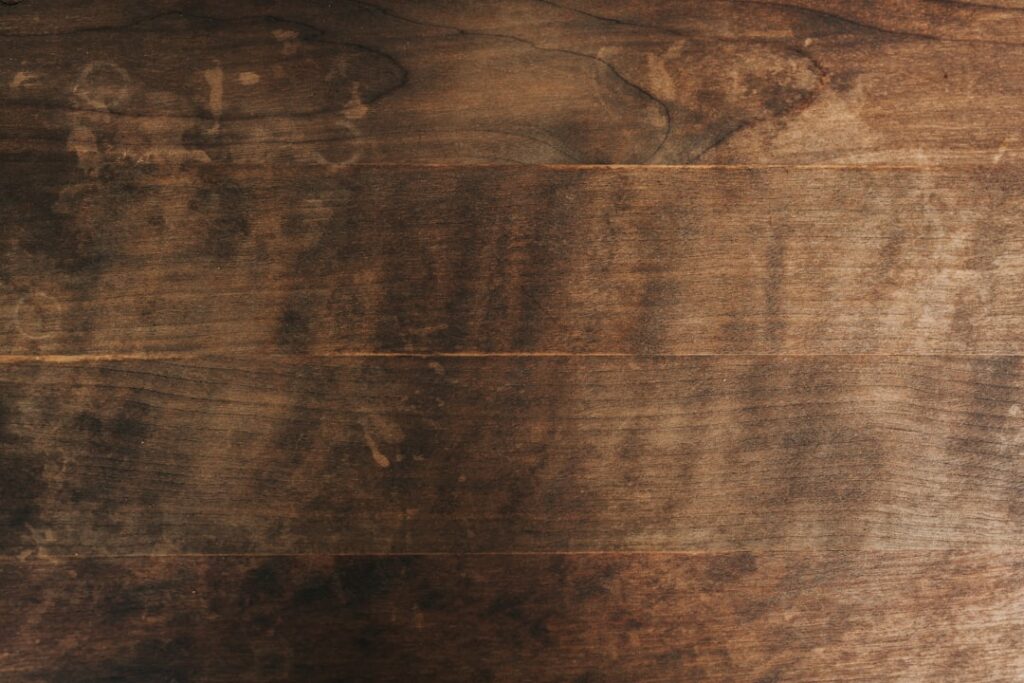
New cedar and redwood look spectacular for about one season, then the sun turns them gray. A transparent wood stain is the product people reach for when they want to keep that natural color and grain visible without hiding it under pigment. It adds a light tint and water repellency while letting almost all of the wood’s figure show through.
The catch is lifespan. Because it carries very little pigment, a transparent stain blocks less UV than a semi-transparent or solid stain, so it fades faster. On horizontal surfaces like a deck, many homeowners find they need to recoat every one to two years, while vertical siding or fences in shade may last somewhat longer. If you love the look of bare wood and don’t mind regular maintenance, it’s the right choice.
- What Is a Transparent Wood Stain?
- Best Uses for Transparent Deck Stain
- Tools, Materials, and Safety Gear
- How to Apply Transparent Stain Step by Step
- Recoating: Keeping the Look Year After Year
- Troubleshooting Transparent Stain Problems
- Cost and Maintenance Expectations
- When to Call a Pro
- Frequently Asked Questions
Use it on new or freshly cleaned cedar, redwood, and quality softwoods, as well as dense exterior hardwoods. Skip it on weathered, patched, or mismatched boards, where more pigment would do a better job of evening out the color.
What Is a Transparent Wood Stain?
Exterior stains sit on a spectrum based on how much pigment they carry. At one end is a clear sealer, which is basically a water repellent with no color. At the other end is a solid stain, which behaves almost like a thin paint. A transparent wood stain sits just past clear: it contains a small amount of pigment, often tinted to cedar, redwood, or natural tones, plus UV inhibitors and water repellents.
Some manufacturers call these products toner stains. A toner stain has just enough color to warm up the wood and slightly even out tone differences between boards, while leaving the grain fully visible. The terms overlap, and product labels aren’t standardized, so read the description and look at sample boards.
Transparent vs Clear Sealer
A clear deck sealer repels water but offers little or no protection against sun. Wood under a clear coat still grays, usually within months. Transparent stain slows that graying thanks to its pigment, though it doesn’t stop it completely.
Transparent vs Semi-Transparent
Semi-transparent stain carries noticeably more pigment. Grain still shows, but the color is stronger and the UV protection better, so it typically lasts longer between coats. It also hides minor blemishes and color variation. Choose semi-transparent if you want less maintenance or your wood isn’t brand new.
Best Uses for Transparent Deck Stain
- New cedar and redwood decks: Transparent deck stain shows off the rich color these species are prized for. Let new wood dry and weather as the label directs before staining.
- Cedar siding and shakes: Vertical surfaces shed water and see less direct sun than deck boards, which stretches recoat intervals.
- Fences and pergolas: A toner stain keeps a natural look and makes routine recoating quick because you don’t need to strip.
- Exterior hardwoods: Dense tropical decking often takes penetrating oil-based transparent finishes designed for hardwood. Check that the product is rated for dense species.
- Interior projects: Some transparent stains are interior-only; others work for both. Match the product to the location.
Pressure-treated pine can take a transparent finish too, but its greenish tint and knots show through. Many people prefer semi-transparent for treated lumber.
Tools, Materials, and Safety Gear
- Transparent stain rated for your wood and exposure
- Deck cleaner or wood brightener suited to your stain
- Stiff brush, pump sprayer, and garden hose
- Stain brush, pad applicator, or roller with a brush for back-brushing
- Stir stick, drop cloths, and painter’s tape
- Chemical-resistant gloves, safety glasses, and long sleeves
- Respirator rated for organic vapors when using solvent-based products or spraying
- A metal can with a tight lid and water for disposing of oily rags
Read and follow the label for every cleaner, brightener, and stain. Work outdoors or with strong ventilation, keep products off your skin and out of your eyes, and never mix cleaners or chemicals together, since some combinations release dangerous fumes.
How to Apply Transparent Stain Step by Step
- Check the weather. Plan for dry, mild days with no rain in the forecast for the window the label specifies. Avoid staining in hot direct sun, which makes stain flash and lap.
- Clean the wood. Apply a deck cleaner as directed, scrub, and rinse thoroughly. On new wood, this removes mill glaze that blocks penetration.
- Brighten if needed. A brightener restores wood color and neutralizes some cleaners. Follow the product’s instructions and rinse.
- Let it dry. Wood must be dry enough for stain to soak in. A simple test: sprinkle water on a board. If it beads, wait longer; if it soaks in, you’re close.
- Stir, don’t shake. Stir the can well and box multiple cans together for consistent color.
- Test a sample. Apply stain to an inconspicuous board and let it dry to see the true color.
- Apply thin coats. Work two or three boards at a time along their full length to avoid lap marks. Back-brush to push stain into the grain.
- Avoid puddles. Wipe up excess before it dries. Transparent stains are designed to soak in, not build a film, and too much product leads to sticky or peeling spots.
- Add a second coat only if the label calls for it. Some products want wet-on-wet application; others are one coat.
- Handle rags safely. Rags soaked in oil-based stain can heat up and self-ignite as they dry. Lay them flat outdoors to dry fully, or place them in a sealed metal can filled with water, and dispose of them according to local rules.
Recoating: Keeping the Look Year After Year
Knowing when to recoat saves you from a full strip job later. Watch for two signs: water no longer beads on the surface, and the color has faded noticeably on the sunniest boards. Deck stairs and the area in front of doors usually wear first, so check those spots each spring.
Recoating a transparent finish is refreshingly simple. Clean the surface, let it dry, and apply a light maintenance coat of the same product. Because the finish soaks in rather than forming a film, you don’t need to sand or strip as long as you stay with a compatible product. Staying on schedule is what keeps the grain looking crisp instead of gray and blotchy.
Troubleshooting Transparent Stain Problems
- Color faded within months: Normal on sunny decks with transparent products. Consider a semi-transparent stain or a toner with more pigment next time.
- Blotchy color: The wood wasn’t evenly clean or dry, or mill glaze remained. Clean, brighten, and recoat.
- Sticky surface: Too much stain was applied and didn’t soak in. Wipe with a solvent the manufacturer recommends, or let it weather and recoat lightly.
- Stain peeling: Usually from applying over an incompatible old finish. Strip to bare wood before switching products.
- Dark or black spots: Often mildew or tannin reactions. Use a cleaner designed for the problem, rinse well, and let the wood dry.
Cost and Maintenance Expectations
Transparent stains are priced similarly to other quality exterior stains, generally in the range of mid-priced paint per gallon, with coverage depending heavily on wood porosity. New or rough wood absorbs more. For a typical backyard deck, DIY materials including cleaner and brightener often fall in the low hundreds of dollars.
The real cost is maintenance. Because recoating comes up roughly every one to two years on decks, the lifetime cost of a transparent wood stain is often higher than a semi-transparent or solid product. The upside is that recoats are simple: clean, let dry, and apply a fresh coat, usually without stripping. Professional deck staining adds labor that commonly equals or exceeds materials, with extra charges for stripping or repairs.
When to Call a Pro
Hire a deck or painting contractor if the wood has an old peeling finish that needs stripping, if boards are rotted or loose, or if the surface is high off the ground, such as a two-story siding job or a raised deck. Pros also have sprayers and back-brushing crews that finish large areas quickly and evenly, which matters with transparent products where lap marks show easily.
Frequently Asked Questions
How long does transparent wood stain last?
On decks exposed to sun, many homeowners recoat every one to two years. Vertical surfaces and shaded areas usually last longer. Check the manufacturer’s guidance for your product.
What is a toner stain?
A toner stain is a lightly pigmented finish that adds a hint of color and helps even out tone between boards while keeping the grain fully visible. It sits between a clear sealer and a semi-transparent stain.
Is transparent stain better than a clear sealer?
For outdoor wood, usually yes. The small amount of pigment in a transparent stain slows UV graying, while a clear sealer mainly repels water and lets wood gray quickly.
Can I put transparent stain over semi-transparent stain?
Generally not with good results. The lighter stain can’t cover the darker one, and it may not penetrate. Strip or let the old stain wear away before switching to a transparent product.
How should I dispose of stain rags?
Oily stain rags can self-ignite. Lay them flat outdoors to dry completely or seal them in a metal can filled with water, then follow your local disposal rules.


