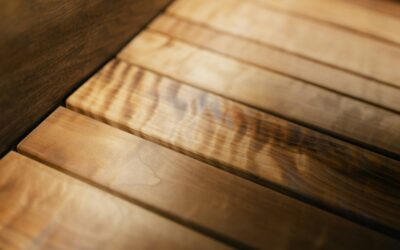
The same color name can look like two different products on a deck, depending on how much pigment the stain carries. That is the first thing to understand about Valspar stain colors: the exterior line is organized by opacity, from a clear sealer through transparent and semi-transparent stains to a solid stain, and the color you see on a chart only becomes the color on your wood once you factor in opacity and the wood itself.
In short, semi-transparent colors tint the wood while letting grain show through, so the final shade depends on the species and age of the boards. Solid colors cover the wood like a thin paint, hide the grain and look much closer to the chip. Valspar’s own guidance recommends semi-transparent for weathered wood that is still in good condition and solid stain for older, more weathered wood.
- Valspar Stain Colors by Opacity Family
- How to Read the Stain Color Chart
- Choosing Between Solid and Semi-Transparent
- Popular Color Directions
- Tools and Materials
- How to Apply Exterior Stain
- Troubleshooting
- Cost Range and When to Call a Pro
- Maintenance and Recoating
- Valspar Solid Stain: How Much to Buy, Dry Times and Prep
- Frequently Asked Questions
The sections that follow explain the opacity families, how to read the color chart, what each product promises for coverage and protection, and how to pick and apply the right one.
Valspar Stain Colors by Opacity Family
The manufacturer’s exterior wood stain range is built around one-coat stain and sealer products. This table summarizes the opacity families and what they mean for color. Figures for coverage and protection are from the manufacturer’s product pages; check the current label, since formulas and claims are updated.
| Product family | Opacity | How color looks | Coverage per gallon | Stated protection |
|---|---|---|---|---|
| One-Coat Clear Exterior Sealer | Clear | No added color; wood’s natural tone, slightly enriched | 150 to 400 sq ft | See label |
| One-Coat Transparent Stain and Sealer | Transparent | Light tint, grain fully visible | 150 to 400 sq ft | See label |
| One-Coat Semi-Transparent Stain and Sealer | Semi-transparent | Noticeable color, grain still shows, masks minor flaws | 150 to 400 sq ft | 6 years on decks, 8 years on fences and siding |
| One-Coat Solid Stain and Sealer | Solid | Opaque, paint-like color, grain hidden, texture remains | 150 to 350 sq ft | 10 years on decks, 25 years on fences and siding |
The pattern is consistent across brands: the more pigment, the more UV protection and the longer the finish lasts, but the less natural the wood looks. Decks wear faster than vertical surfaces because they take foot traffic and standing water, which is why protection claims are shorter for decks than for fences and siding.
How to Read the Stain Color Chart
A stain chart is not a paint chart, and reading it the same way leads to surprises.
Semi-transparent and transparent colors
These come in ready-mixed wood tones and in a tintable neutral base. The semi-transparent product page lists factory colors such as Cedar Tone Natural and Redwood, and the neutral base can be tinted to many more shades at the paint counter. Because these stains let the wood show through, the chart chip is printed or stained on one reference wood. Pine, cedar and redwood will each shift the result, and older grey wood will make colors look darker and duller.
Solid colors
Solid stain is offered in white and neutral bases, so it can be tinted to a very wide range of colors, including many shades from the paint color system. Expect solid stain to look close to the chip, though the texture of rough sawn or weathered wood will make it appear slightly darker than on a smooth card.
Screens and printed cards
The manufacturer notes that actual color may vary from on-screen representation. A digital chart is a starting point only. Always test on a scrap of your own wood or a hidden spot on the project.
Choosing Between Solid and Semi-Transparent
Use this decision guide to narrow the choice before you look at specific Valspar stain colors.
- New or nearly new wood with attractive grain: transparent or semi-transparent. Let the wood be the feature.
- Weathered wood still in good shape: semi-transparent, per the manufacturer’s guidance. It adds color and evens out blotchy weathering.
- Older, heavily weathered or patched wood: solid stain. It hides mismatched boards, old stain and repairs.
- Previously painted or solid stained surfaces: solid stain. A lighter opacity cannot go over an opaque coating.
- Siding and fences where long life matters most: solid stain, given its longer stated protection on vertical surfaces.
- High-traffic deck floors: semi-transparent wears more gracefully and is easier to refresh; solid stain can show wear paths and may peel if prep is poor.
Popular Color Directions
Rather than chasing a single name, decide which direction suits your house, then sample two or three options in that family.
| Color direction | Best opacity | Pairs well with |
|---|---|---|
| Natural cedar and honey tones | Transparent or semi-transparent | White, cream and green houses |
| Redwood and russet | Semi-transparent | Brick, tan and cream exteriors |
| Mid and dark brown | Semi-transparent or solid | Grey, white and sage siding |
| Grey and weathered grey | Semi-transparent or solid | Modern, coastal and farmhouse exteriors |
| Black and charcoal | Solid | Modern homes, fences and accent siding |
| Whites, blues and greens | Solid | Siding, trim and painted-look fences |
Darker colors absorb more heat, which matters on a deck floor in full sun. A mid-tone usually hides dirt and pollen better than very light or very dark shades.
Tools and Materials
- Deck or wood cleaner, and a wood stripper if removing old semi-transparent stain
- Stiff brush, garden hose, and a pressure washer used gently if needed
- Sanding pole or orbital sander for raised grain
- A good stain brush (nylon or polyester for these water cleanup products), stain pads or a sprayer
- Painter’s tape, drop cloths and stir sticks
- Gloves and eye protection
How to Apply Exterior Stain
- Check the weather. The manufacturer’s application range is 50 to 90 degrees Fahrenheit. Avoid humid or extremely hot days, direct midday sun and rain in the forecast.
- Clean the wood. Remove dirt, mildew and grey fibers with a wood cleaner. Strip old peeling coatings.
- Let it dry. Give the wood time to dry fully after cleaning, typically a couple of dry days.
- Test the color. Apply a sample to a hidden board and let it dry before judging.
- Stain a few boards at a time. Work along the full length of each board to avoid lap marks.
- Back-brush after spraying or rolling. The manufacturer specifically calls for back-brushing sprayed solid stain so it works into the wood.
- Apply one coat. These products are designed as one-coat finishes; follow the label if a second coat is needed for deep color changes, and never apply a second coat of the clear sealer, which the maker says to apply in one coat only.
- Clean tools with soap and water. Let the surface dry per the label before foot traffic or furniture.
Rags used with oil-based stains can self-heat; lay them flat outdoors to dry or store them in a sealed metal container with water. Ventilate when working in enclosed porches.
Troubleshooting
- Color too orange or too red: the wood species is shifting the tint. Switch to a browner or greyer shade, or move up to solid stain.
- Blotchy finish: uneven absorption from poor cleaning or mixed old and new boards. Clean thoroughly; solid stain evens it out.
- Peeling solid stain on a deck: usually poor prep, moisture in the wood or too thick an application. Strip loose areas and reapply thinly.
- Lap marks: keep a wet edge and finish whole boards before stopping.
- Stain stays tacky: application in high humidity or too cool temperatures. Give it more time and avoid heavy coats.
Cost Range and When to Call a Pro
Exterior stain is sold in sizes from half pints for samples up to 5-gallon pails. For a typical deck, DIY materials usually land in the low hundreds once you add cleaner and brushes. Professional staining is often priced per square foot and varies with prep, deck height, railings and stairs.
Call a pro for two-story siding or any job that needs tall ladders or scaffolding. If your home was built before 1978 and the wood has old paint, test for lead before sanding or scraping and use lead-safe practices.
Maintenance and Recoating
Stain does not last forever, and planning for maintenance helps you choose the right color today. Semi-transparent finishes fade gradually and can usually be refreshed with a light cleaning and a new coat in the same or a slightly darker shade, without stripping. Solid stain lasts longer but, once it starts to wear or peel, it typically needs scraping and spot priming before recoating. Changing from a solid color back to a natural wood look requires stripping or sanding down to bare wood, which is a big job on a deck.
Each spring, wash the surface, look for areas where water no longer beads, and check horizontal surfaces such as stair treads and rail caps, which wear first. Touch up those areas before the wood greys. Keeping a labeled can of your exact color, with the base and tint formula written on the lid, makes future touch-ups match.
Valspar Solid Stain: How Much to Buy, Dry Times and Prep
Valspar solid stain is sold as One-Coat Solid Stain and Sealer, a water-cleanup product rated for 150 to 350 square feet per gallon in one coat. The maker lists it as rain-ready in about four hours, with a recoat window of 2 to 4 hours if a second coat is needed for a deep color change. Rough, weathered wood drinks more stain, so plan on the low end of the coverage range for an older deck.
Estimating gallons
| Project | Approximate area | Gallons at 150 sq ft (rough wood) | Gallons at 350 sq ft (smooth wood) |
|---|---|---|---|
| Small deck floor, 12 x 12 ft | 144 sq ft | 1 | 1 |
| Medium deck floor, 16 x 20 ft | 320 sq ft | 3 | 1 |
| 6-ft fence, 100 ft long, one side | 600 sq ft | 4 | 2 |
Add railings, stairs and board edges, which can add a surprising amount of surface. For larger jobs the 5-gallon pail is usually the better buy, and mixing all cans together before starting keeps the color consistent.
Dry times and weather
The maker’s dry-time figures are measured at 77 degrees Fahrenheit and 50% relative humidity, with dry to the touch taking 4 to 24 hours depending on conditions. Cool, humid or shaded areas fall toward the long end, so keep furniture off until the surface feels fully dry. Apply between 50 and 90 degrees Fahrenheit. The label allows application on dry or slightly damp wood, but never wet or puddled boards, so wait until standing water from cleaning has gone.
Prep for previously stained wood
- Clean previously stained or weathered wood with a wood cleaner, and use a stronger wood prep product if the boards are extremely weathered.
- Scrape off all loose, flaking stain and sand the edges of remaining patches smooth so they do not show through.
- Test a small area first and let it dry before judging the color.
- Work 1 to 3 boards at a time from end to end, and do not overapply, since heavy coats are what lead to peeling.
Solid stain comes in white and neutral bases for tinting. If you choose a dark color, plan on the second coat within the recoat window for even coverage, and keep a labeled can for future touch-ups.
Frequently Asked Questions
What opacities do Valspar exterior stains come in?
The manufacturer’s one-coat line includes a clear sealer plus transparent, semi-transparent and solid stain and sealer products.
Can semi-transparent stain be tinted to any color?
The neutral base can be tinted to many wood tones and some greys, but because the wood shows through, the result depends on the wood. Opaque colors like whites and blues belong in solid stain.
Why does my stain look different from the chart?
Wood species, age, texture and screen display all change the color. Test on your own wood before staining the whole surface.
How long does Valspar solid stain last?
The product page states 10 years of protection on decks and 25 years on fences and siding, assuming proper prep and application.
Should I use solid or semi-transparent stain on an old deck?
If the wood is weathered but sound, semi-transparent works. For older, heavily weathered or patched wood, solid stain hides imperfections better.