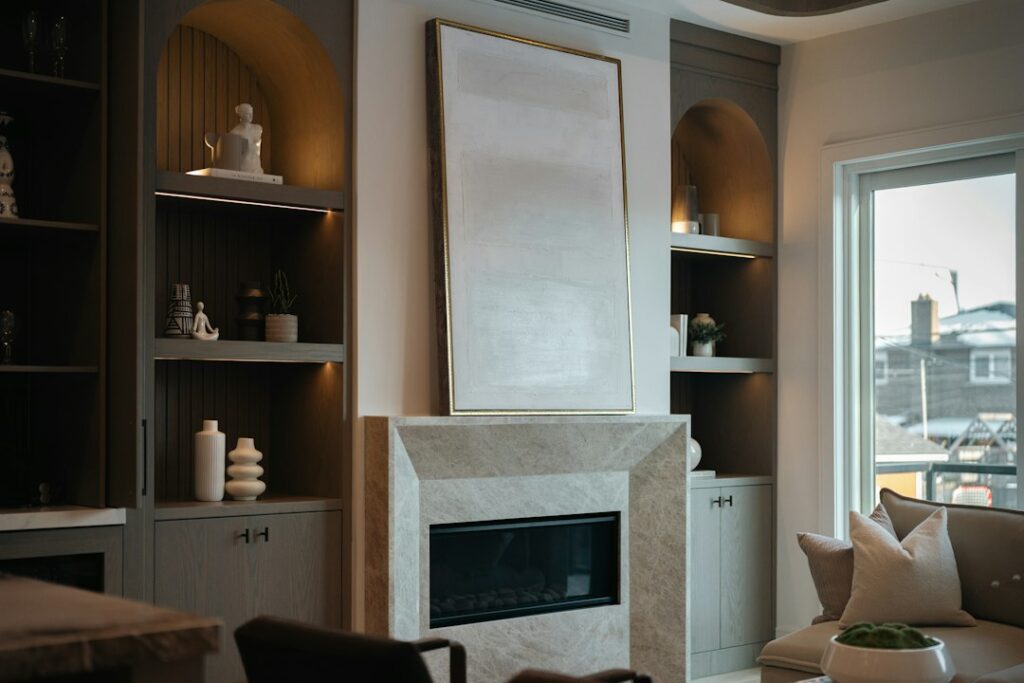
Victorian rooms were designed to be looked at for a long time. Every surface carried detail, from the ceiling medallion to the baseboard, and the colors were deeper than most modern homeowners would dare. Recreating a victorian house interior today does not mean copying a museum parlor; it means borrowing the layered millwork, rich color, pattern and antique furniture that made those rooms memorable, then editing them so they work for daily life.
The short answer: paint walls in deep, complex colors (oxblood, forest green, navy, plum or warm ochre), add patterned wallpaper on at least one surface, emphasize trim with crown molding, wainscoting and picture rails, choose dark wood or carved furniture, and layer textiles such as velvet, damask and fringed lamps. In a new house, a few of those elements used confidently will read as Victorian; in an old house, restoring the original details does most of the work.
- Key Elements of a Victorian House Interior
- Color Palettes for Victorian Style Decor
- Walls, Millwork and Ceilings
- Floors, Furniture and Textiles
- Modern Victorian Decor: Blending Old and New
- Restoring an Old Victorian Safely
- Room-by-Room Victorian Style House Interior Ideas
- Cost Ranges and When to Hire a Pro
- Frequently Asked Questions
If your home was built before 1978, plan for lead and asbestos testing before you sand trim, strip wallpaper or pull up old flooring. Old houses hide both, and they change how the work should be done.
Key Elements of a Victorian House Interior
The Victorian era ran roughly from the 1830s to 1900 and covered several revival styles: Gothic Revival, Italianate, Second Empire, Queen Anne and Eastlake. Each had its own flavor, but a victorian house interior from any of those decades shares recognizable traits:
- Layered wall treatments: a wall split into dado (lower), field (middle) and frieze (upper) sections, often each in a different color or paper.
- Heavy millwork: tall baseboards, wide door casings with corner blocks, crown molding, picture rails and ceiling medallions.
- Saturated color: jewel tones and earthy darks, rarely plain white.
- Pattern on pattern: floral and damask wallpapers, patterned rugs, tile floors in entries and baths.
- Dark, carved furniture: walnut, mahogany and rosewood, with tufted upholstery.
- Collections on display: curio cabinets, framed botanicals, mirrors with gilt frames.
You do not need every item. Victorian style decor works best when you pick three or four of these traits and execute them well.
Color Palettes for Victorian Style Decor
Victorians loved color, and the pigments available after the mid-1800s made deep shades affordable. Good starting palettes include:
- Parlor palette: deep red or oxblood walls, gold accents, dark wood trim.
- Library palette: forest or bottle green, brass, leather browns.
- Bedroom palette: dusty rose, mauve or soft sage with cream trim.
- Late-era Arts and Crafts transition: olive, ochre, terracotta and warm brown.
Trim was often painted a contrasting color or left as stained wood. For a modern take, paint walls and trim the same deep color in a different sheen (matte walls, satin trim). That makes a room feel enveloping and highlights the profile of the moldings without fussy contrast. Ceilings can be a lighter tint of the wall color rather than flat white.
Walls, Millwork and Ceilings
Wallpaper
Wallpaper is the fastest way to signal the era. Damask, Arts and Crafts botanicals, small florals and stripes all fit. In a dining room or entry, paper the upper wall over a wainscot and paint the wainscot a darker shade. In a powder room, wallpaper all four walls and the ceiling for drama.
Moldings
In an original home, protect and restore existing millwork rather than replacing it. In a newer home, adding crown molding, a picture rail about 12 to 18 inches down from the ceiling and a chair rail around 32 to 36 inches high gives flat drywall the proportions of a period room. Pre-primed MDF profiles are affordable for painted trim; stain-grade hardwood is better if you want visible grain.
Ceilings
Plaster ceiling medallions under chandeliers, embossed tin-look or pressed panels, and painted or papered ceilings were all common. Lightweight polyurethane medallions install with adhesive and are a simple upgrade in a new build.
Floors, Furniture and Textiles
Victorian floors were usually hardwood (often oak or heart pine), with parquet borders in finer homes and encaustic or mosaic tile in entries and baths. Large patterned rugs in red, navy and gold covered most of the wood. For a new home, a medium to dark stained oak floor, a black and white mosaic tile in the bath and a Persian-style rug in the living room create the base.
Furniture should be substantial. Look for a tufted sofa or chesterfield-style piece, a carved sideboard, balloon-back or spoon-back chairs, a round pedestal table, and a secretary desk or curio cabinet. Antique stores, estate sales and auctions remain the best source, and older pieces are often cheaper than new reproductions of similar quality.
Textiles finish the look: velvet drapes hung on decorative rods with tiebacks, lace or sheer panels behind them, fringed lampshades, needlepoint pillows and damask table linens.
Modern Victorian Decor: Blending Old and New
Modern Victorian decor keeps the bones and color but lightens the clutter. It is the right approach for most families who want character without a dark, crowded house.
- Keep the architecture, simplify the stuff. Let the moldings, mantel and windows lead; reduce knickknacks by half.
- Mix one antique per zone with clean-lined modern pieces. A carved antique sideboard next to simple upholstered dining chairs works well.
- Use one bold wall color per floor. Repeat it in accents throughout so rooms connect.
- Update lighting carefully. A brass or crystal chandelier paired with modern recessed lights on dimmers gives both mood and function.
- Modernize kitchens and baths quietly. Inset or shaker cabinets in a deep color, marble-look counters, subway or hex tile and bridge-style faucets bridge both eras.
- Add contemporary art. A large abstract painting in a gilt frame over a period mantel is a classic modern Victorian move.
Restoring an Old Victorian Safely
Old houses reward careful work and punish shortcuts. Before you disturb any original surface, address the hazards that come with the age of the house.
Lead Paint
Any home built before 1978 may contain lead paint, and true Victorian homes almost certainly do on trim, windows and doors. Test before sanding, scraping or stripping. Use a certified lead inspector or an approved test kit, and if lead is present, use lead-safe work practices: wet scraping, no dry sanding or open-flame stripping, plastic sheeting, HEPA vacuums and careful cleanup. Hire a lead-safe certified contractor for larger jobs, especially with children or pregnant family members in the home.
Asbestos
Older flooring and its adhesive, plaster, joint compound, pipe insulation and some textured ceilings from renovations before the 1980s may contain asbestos. Have suspect materials sampled by an accredited lab before you remove or sand them. If results are positive, leave the material undisturbed or hire a licensed abatement contractor.
Other Old-House Checks
- Knob-and-tube or outdated wiring: have a licensed electrician evaluate it before adding fixtures. Turn off the breaker and confirm power is off with a non-contact voltage tester before any fixture swap.
- Plaster: repair cracks with plaster washers and patching compound rather than replacing walls with drywall when possible.
- Historic districts: check local review requirements before changing exterior-visible windows or doors.
Room-by-Room Victorian Style House Interior Ideas
- Entry: mosaic or patterned tile floor, a hall tree, a large mirror and a lantern-style pendant.
- Parlor or living room: deep wall color, a tufted sofa, a pair of armchairs, a patterned rug and a restored or reproduction mantel.
- Dining room: wainscot topped by wallpaper, a chandelier over a pedestal table, a sideboard displaying china.
- Bedroom: an iron, brass or carved wood bed, floral paper, layered bedding and a dressing table.
- Bathroom: clawfoot tub, pedestal sink, hex tile floor, beadboard wainscot and a framed mirror.
Cost Ranges and When to Hire a Pro
Costs vary widely by region and house condition. Painting a room yourself might cost a few hundred dollars; professional wallpaper installation commonly runs several hundred to a couple thousand dollars per room depending on paper and wall prep. Adding crown molding and chair rail typically runs a few dollars to over ten dollars per linear foot installed. Antique furniture ranges from bargains at estate sales to thousands for signed pieces. Lead testing and abatement, asbestos sampling and electrical upgrades add to a restoration budget and should be priced before cosmetic work.
Hire a pro for lead or asbestos abatement, electrical upgrades, plaster restoration on large areas, refinishing original floors, and any structural changes such as removing walls. A preservation-minded contractor or designer is worth seeking out for a true period home.
Frequently Asked Questions
What colors were used in a Victorian house interior?
Deep, rich shades were common: burgundy, forest green, navy, plum, mustard and brown, often paired with gold accents and stained or contrasting painted trim.
Can I create Victorian interior design in a new house?
Yes. Add crown molding, a chair rail and picture rail, use wallpaper and deep paint colors, and mix antique furniture with comfortable modern seating.
What is modern Victorian decor?
It keeps Victorian architecture, color and a few antiques but reduces clutter, adds clean-lined furniture and contemporary art, and updates lighting and kitchens.
Do I need to test for lead before removing old trim?
If the home was built before 1978, yes. Test before sanding, scraping or removing painted trim and use lead-safe practices or a certified contractor if lead is found.
What flooring suits a Victorian style house interior?
Stained hardwood with patterned rugs suits main rooms, while small mosaic or encaustic-look tile fits entries and bathrooms.