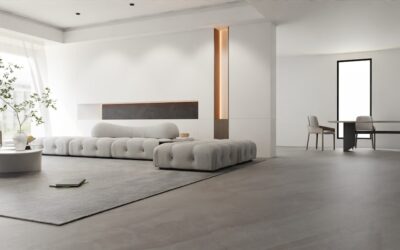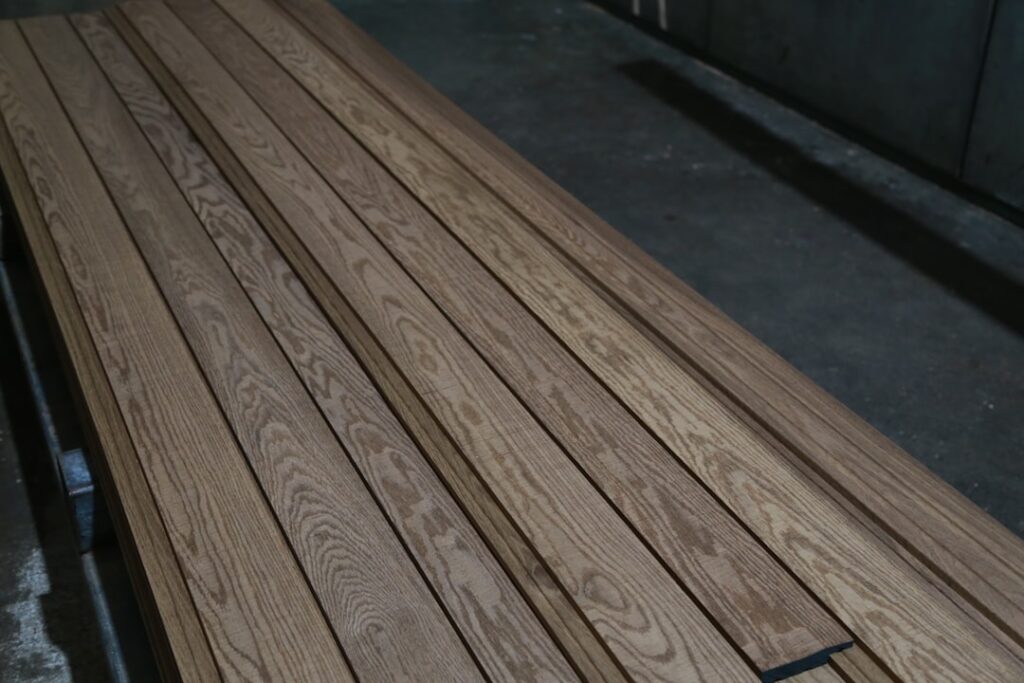
Vinyl plank flooring has become the fastest-growing flooring category in North America, and the reasons are clear. It is waterproof, durable, comfortable underfoot, easy to install, and available in designs that convincingly replicate hardwood, stone, and concrete. For homeowners who want the look of real wood without the maintenance, moisture sensitivity, and high cost, vinyl plank delivers.
But the category has grown complex. WPC, SPC, rigid core, wear layers, mil thickness, click-lock, and glue-down are just some of the terms you will encounter. This guide cuts through the jargon and explains everything you need to know to choose the right vinyl plank floor for your home.
- What Is Vinyl Plank Flooring?
- WPC vs SPC: Understanding Core Types
- Wear Layer: Why It Matters
- Vinyl Plank Thickness
- Top Vinyl Plank Flooring Brands
- Installation Methods
- Room Suitability Guide
- Vinyl Plank Flooring Pricing
- Maintaining Vinyl Plank Floors
- Plank Dimensions: Width and Length
- Surface Texture and Edge Treatment
- Subfloor Preparation and Moisture Testing
- Underlayment Choices
- Frequently Asked Questions
- Is vinyl plank flooring really waterproof?
- How long does vinyl plank flooring last?
- Does vinyl plank flooring look cheap?
- Can vinyl plank be installed over tile?
- Is vinyl plank flooring safe for pets?
- Can you refinish vinyl plank flooring?
- What is the difference between waterproof and water-resistant flooring?
- Does vinyl plank flooring add value to my home?
- Should I choose click-lock or glue-down vinyl plank?
- Do I need a separate underlayment under vinyl plank?
- Does vinyl plank flooring off-gas or contain harmful chemicals?
- How is vinyl plank different from laminate flooring?
- Can I install vinyl plank over radiant floor heating?
- Is peel-and-stick vinyl plank a good choice?
- Final Thoughts
What Is Vinyl Plank Flooring?
Vinyl plank flooring (also called luxury vinyl plank or LVP) is a multi-layer engineered flooring product shaped like a wood plank. Each plank typically consists of four layers:
- Wear layer: A clear urethane or ceramic-bead coating that protects against scratches, stains, and scuffs.
- Vinyl print layer: A high-resolution photographic image that replicates the look of wood, stone, or other materials.
- Core layer: The structural backbone of the plank. This is where the key differences between vinyl plank types live (WPC vs SPC).
- Backing layer: A pre-attached underlayment (often cork or IXPE foam) that provides cushioning, sound absorption, and moisture protection.
Unlike traditional sheet vinyl, modern vinyl plank features a rigid core and click-lock edges that allow floating installation without glue. It feels more like laminate or hardwood underfoot than the thin, flexible vinyl of decades past.
WPC vs SPC: Understanding Core Types
The core is the most important technical distinction in vinyl plank flooring. The two dominant core types are WPC and SPC, and each serves different needs.
WPC (Wood Plastic Composite)
WPC cores are made from a blend of wood flour (or other natural fibers), thermoplastics, and calcium carbonate. The result is a thicker, softer, and more flexible core that provides excellent comfort underfoot and superior sound absorption. WPC planks are typically 5.5 to 8 mm thick overall.
Because the core contains a foaming agent that creates tiny air pockets, WPC feels warmer and more cushioned than SPC. It is less rigid, which means it is more forgiving of minor subfloor imperfections. However, the foaming agent also makes WPC slightly less dense and less resistant to extreme impacts and temperature swings.
Best for: Bedrooms, living rooms, family rooms, and any area where comfort is a priority. Homes with minor subfloor imperfections. Upper floors where sound transmission matters. For an in-depth look at all LVP options, visit our LVP flooring guide.
SPC (Stone Plastic Composite)
SPC cores are made from a dense blend of natural limestone powder, polyvinyl chloride, and stabilizers. The result is a thinner, harder, and more rigid core that provides exceptional dimensional stability and dent resistance. SPC planks are typically 3.5 to 7 mm thick overall.
The limestone-heavy composition makes SPC extremely dense (significantly heavier per square foot than WPC). This density means SPC is more resistant to impacts, heavy furniture, and temperature fluctuations. It is also less prone to expansion and contraction, making it suitable for sunrooms, enclosed porches, and spaces with large temperature variations.
Best for: Kitchens, bathrooms, laundry rooms, basements, commercial spaces, and any area where maximum durability and water exposure are concerns. To learn more, see our dedicated SPC flooring guide.
WPC vs SPC Comparison Table
- Comfort: WPC is softer and warmer; SPC is harder and cooler.
- Thickness: WPC is typically thicker (5.5-8 mm); SPC is thinner (3.5-7 mm).
- Density: SPC is denser and heavier per square foot.
- Dent resistance: SPC is superior due to higher density.
- Temperature stability: SPC handles wide temperature swings better.
- Subfloor forgiveness: WPC handles minor imperfections better.
- Sound: WPC is naturally quieter; SPC benefits more from underlayment.
- Price: Similar ranges; SPC is often slightly less expensive at comparable quality levels.
- Waterproof: Both are 100% waterproof.
Wear Layer: Why It Matters
The wear layer is the transparent protective coating on top of the vinyl plank. It determines how well the floor resists scratches, scuffs, stains, and fading. Wear layer thickness is measured in mils (thousandths of an inch).
Wear Layer Thickness Guide
- 6 to 8 mil: Light residential use. Bedrooms, closets, guest rooms. Not recommended for high-traffic areas or homes with pets.
- 12 mil: Standard residential use. Living rooms, dining rooms, hallways. Adequate for most homes without heavy wear.
- 20 mil: Heavy residential and light commercial use. Kitchens, entryways, active family homes, home offices. The sweet spot for most homeowners.
- 28+ mil: Heavy commercial use. Retail stores, offices, restaurants. Overkill for most residential applications but provides maximum longevity.
Wear Layer Coatings
In addition to thickness, the coating type affects performance. Standard urethane provides basic scratch resistance. Enhanced urethane (sometimes marketed as ceramic bead, aluminum oxide, or UV-cured) adds significantly more scratch and scuff protection. If you have dogs, cats, or heavy foot traffic, look for an enhanced wear layer coating.
Vinyl Plank Thickness
Overall plank thickness (not just the wear layer) affects stability, sound, and comfort. Thicker planks feel more substantial underfoot and are better at bridging minor subfloor imperfections.
- 3.5 to 4.5 mm: Thin, budget-friendly, best for low-traffic areas and rentals. Can feel hollow and amplify sound.
- 5 to 6 mm: Mid-range. Good balance of performance and cost for most residential applications.
- 6.5 to 8 mm: Premium. Feels solid, bridges subfloor imperfections well, provides the best sound dampening.
Top Vinyl Plank Flooring Brands
The vinyl plank market is crowded. These brands consistently deliver quality, style, and reliable warranties.
COREtec
COREtec pioneered the rigid-core vinyl plank category and remains a market leader. Their COREtec Plus, Pro Plus, and Originals lines span budget to premium price points. All COREtec products feature their patented cork-backed construction for superior sound dampening and comfort. Known for realistic visuals, solid click-lock systems, and strong warranties. Pricing: $2.50 to $6.00 per square foot.
Shaw Floorte
Shaw’s Floorte collection is one of the largest vinyl plank lines available, with options ranging from budget SPC to premium WPC with thick wear layers. Their LifeGuard waterproof core technology is backed by a lifetime residential warranty. Widely available through Shaw retailers nationwide. Pricing: $2.00 to $5.50 per square foot.
Mohawk (RevWood, SolidTech)
Mohawk offers vinyl plank under multiple brand names. Their SolidTech line features both WPC and SPC options with ceramic-bead enhanced wear layers. Known for consistent quality and a vast dealer network. Pricing: $2.00 to $5.00 per square foot.
LifeProof (Home Depot Exclusive)
LifeProof is a Home Depot exclusive brand that delivers solid performance at competitive prices. Most LifeProof products feature SPC cores with 6 to 22 mil wear layers. Easy availability and straightforward pricing make it popular with DIYers. Pricing: $2.00 to $4.00 per square foot.
Mannington Adura
Mannington’s Adura Max and Adura Rigid lines are premium vinyl plank products with exceptional visuals and a HydroLoc waterproof core. Mannington is known for sophisticated design and accurate wood-grain textures. Available primarily through specialty flooring retailers. Pricing: $3.00 to $6.00 per square foot.
Karndean
A British brand with a strong reputation for design-forward vinyl plank. Karndean’s Korlok, Van Gogh, and Art Select lines feature some of the most realistic wood and stone visuals in the industry. Premium pricing but exceptional quality and design. Pricing: $4.00 to $8.00 per square foot.
Installation Methods
Vinyl plank offers several installation options, with floating click-lock being the most popular for residential use.
Floating Click-Lock
Planks snap together via interlocking edges and float as a single unit over an underlayment (or using the attached backing). No adhesive, nails, or staples are needed. This is the fastest, easiest, and most DIY-friendly method. Most rooms can be completed in a day.
Pros: Fast installation, DIY-friendly, easy to replace individual planks, works over most subfloors.
Cons: Can sound hollow without quality underlayment, may shift in very large open areas.
Glue-Down
Flexible vinyl planks (without rigid cores) are adhered directly to the subfloor with vinyl flooring adhesive. This creates a solid, stable floor with no hollow sound. Glue-down is common in commercial settings and is used residentially when maximum stability is needed or when installing over radiant heat.
Pros: Very stable, no hollow sound, excellent for high-traffic commercial use.
Cons: More labor-intensive, subfloor must be perfectly smooth, difficult to remove later.
Loose Lay
Some vinyl planks have a heavy, friction-grip backing that holds them in place without clicking, gluing, or nailing. The planks simply lay flat on the subfloor, held by their own weight and a textured backing. Loose lay is easy to install and remove, making it popular for commercial spaces and rental properties.
Pros: Fastest installation, easy to remove and replace, no acclimation needed.
Cons: Can shift in certain conditions, limited product selection, may require perimeter adhesive.
Installation Tips
- Acclimate planks in the room for 48 hours before installation (check manufacturer requirements).
- Ensure the subfloor is flat within 3/16 inch over 10 feet.
- Leave a 1/4-inch expansion gap around all walls and fixed objects.
- Stagger end joints by at least 6 inches between adjacent rows.
- Run planks in the direction of the longest wall or primary light source for the best visual effect.
- Do not install over carpet or carpet padding.
Room Suitability Guide
One of vinyl plank’s biggest advantages is its versatility. Here is how it performs in every room of the house.
Kitchens
Excellent choice. Waterproof, easy to clean, comfortable for standing during cooking. SPC is preferred for kitchens due to its dent resistance from dropped items. Choose a 20 mil wear layer for maximum durability.
Bathrooms
Excellent choice. Fully waterproof, unlike hardwood and laminate. SPC handles the moisture and humidity of bathrooms without any issues. Make sure to seal the perimeter with silicone caulk for extra water protection. Our waterproof flooring guide covers additional bathroom options.
Living Rooms and Bedrooms
Excellent choice. WPC’s softer, warmer feel makes it ideal for living spaces where comfort matters. Wide-plank designs create a convincing hardwood look. Choose at least a 12 mil wear layer for living rooms.
Basements
Excellent choice. Waterproof and dimensionally stable, vinyl plank handles basement moisture better than hardwood or laminate. SPC is preferred for basements because of its superior temperature stability and resistance to humidity swings.
Entryways and Mudrooms
Good choice. Durable and easy to clean, but heavy grit tracked in on shoes can scratch thinner wear layers. Use entry mats and choose at least a 20 mil wear layer with enhanced coating.
Laundry Rooms
Excellent choice. Waterproof construction handles washer leaks and spills without damage. SPC is the better option for the stability needed around heavy appliances.
Sunrooms and Enclosed Porches
Good choice with caveats. SPC handles temperature swings better than WPC, but prolonged direct sunlight can fade the print layer over time. Use UV-protective window treatments and choose a product with UV-resistant coatings.
Vinyl Plank Flooring Pricing
Material Costs Per Square Foot
- Budget SPC (3.5-5 mm, 6-8 mil wear layer): $1.50 to $2.50
- Mid-range SPC (5-6 mm, 12-20 mil wear layer): $2.50 to $4.00
- Premium SPC (6-7 mm, 20+ mil wear layer): $3.50 to $6.00
- Mid-range WPC (5.5-6.5 mm, 12-20 mil wear layer): $2.50 to $4.50
- Premium WPC (7-8 mm, 20+ mil wear layer): $4.00 to $7.00
- Designer/luxury brands: $5.00 to $9.00
Installation Costs Per Square Foot
- DIY floating (supplies only): $0.25 to $0.50
- Professional floating: $1.50 to $3.00
- Professional glue-down: $2.00 to $4.00
Total Installed Cost (300 sq ft)
- Budget DIY: $525 to $900
- Mid-range professional: $1,200 to $2,100
- Premium professional: $1,950 to $3,300
Compared to real hardwood flooring, vinyl plank typically costs 40 to 60 percent less when you factor in both materials and installation. For a comparison with real wood, see our hardwood flooring guide.
Maintaining Vinyl Plank Floors
Daily Care
Sweep or dust mop to remove grit and debris that can scratch the wear layer. Use furniture pads under all legs and avoid dragging heavy objects across the floor.
Weekly Cleaning
Damp mop with a vinyl floor cleaner or a mild soap-and-water solution. Avoid steam mops, abrasive cleaners, and ammonia-based products. Wring the mop well; while the floor is waterproof, excessive standing water can seep into edges and transitions.
Stain Removal
Most stains wipe up easily with warm water and a soft cloth. For stubborn marks, use isopropyl alcohol on a soft cloth. Avoid steel wool, scouring pads, and acetone-based cleaners.
Protecting the Floor
- Use felt pads under all furniture legs.
- Place mats at entrances to trap grit.
- Trim pet nails regularly.
- Avoid rubber-backed mats, which can stain vinyl over time. Use mats with non-staining backing.
- Close blinds or use UV-filtering window treatments in rooms with intense direct sunlight.
Plank Dimensions: Width and Length
Beyond thickness, the width and length of each plank shape how convincingly the floor reads as real wood and how quickly it installs. This is one of the easiest specs to overlook when shopping online.
Width
Standard plank widths run from about 5 inches to 9 inches. Wider planks (7 to 9 inches) are currently the most popular because they mimic wide-plank engineered hardwood and cover a room with fewer pieces and fewer seams. Narrower planks (5 to 6 inches) read as more traditional and can make a small room feel slightly larger. A 4-inch-wide plank tends to look obviously like vinyl from across the room, so pay the upcharge for wider boards when the budget allows.
Length
Plank lengths typically range from 36 inches to 72 inches. Longer planks create fewer end-to-end seams and a more seamless, upscale appearance. Some premium collections ship random-length planks in the same box for an even more natural, less repetitive layout. As a rule of thumb, a 7-inch-wide by 60-inch-long plank looks far more like real hardwood than a 4-inch by 36-inch plank, and the difference shows clearly in photos.
Surface Texture and Edge Treatment
Two construction details separate a convincing vinyl plank from one that looks flat and synthetic: how the surface texture is embossed and how the plank edges are finished.
Embossed-in-Register (EIR) Texture
Embossed-in-register technology aligns the physical surface texture with the printed grain pattern beneath it. Run your hand across an EIR plank and you feel actual grooves and ridges that line up with the visible wood grain. Budget planks often use a generic emboss pattern that does not match the print, which is a big reason cheaper floors look artificial. EIR is one of the surest signs of a quality plank.
Edge Treatment
Planks come with either micro-beveled (painted) edges or square edges. Beveled edges create the shadow line you see between boards on real hardwood, add visual definition, and help disguise minor height differences between planks. Square edges give a smoother, more continuous surface. Neither is better; it is a look preference, though beveled edges are more forgiving on subfloors that are not perfectly flat.
Peel-and-Stick
Peel-and-stick (self-adhesive) planks come with a pressure-sensitive adhesive already applied to the back. You peel off the protective paper and press each plank onto a clean, smooth, fully dry subfloor. It is the cheapest and simplest method, which makes it popular for rentals and quick refreshes, but these planks usually have thin wear layers and their edges can lift over time.
Pros: Lowest cost, no tools or adhesive to buy, fast for small rooms, easy for beginners.
Cons: Thin wear layers, edges can lift in humidity or with temperature swings, demands a near-perfect subfloor, and it is not recommended for bathrooms, laundry rooms, or other high-moisture areas.
Subfloor Preparation and Moisture Testing
Poor subfloor prep is the single most common reason a vinyl plank floor fails early, and it is the step most likely to be rushed. Getting it right matters more than the exact product you choose.
- Plywood and OSB subfloors: Screw down any squeaky or springy spots to the joists, and sand or fill high and low areas so the surface stays within the flatness tolerance before you begin.
- Concrete slabs: Grind down high spots and patch low spots with a self-leveling underlayment. A floating floor will amplify, not hide, a wavy slab.
- Moisture testing on slabs is mandatory: Concrete releases moisture vapor for a long time. Run a calcium chloride test or a relative-humidity probe and confirm the slab reads below roughly 75 percent relative humidity before installing. If moisture pushes up through the seams, the plank edges can cup within the first couple of years even under a thick wear layer.
- Vapor barrier over concrete: For any ground-floor or below-grade slab, use planks with an attached vapor barrier or lay a separate 6-mil polyethylene sheet. Skipping this over a slab is one of the fastest ways to shorten the floor’s life.
Underlayment Choices
Most rigid-core vinyl planks ship with a pre-attached IXPE foam or cork pad, and when they do you generally should not add a second layer. If your planks have no attached pad, or you want extra sound dampening, an aftermarket underlayment is straightforward.
- Thin IXPE foam (around 1.5 mm): The safe all-purpose choice for planks without an attached pad. It improves sound absorption and smooths very minor subfloor texture.
- Avoid thick foam (over 2 mm): Cushy, thick pads feel nice at first but flex under furniture loads and can eventually crack the click joints. Rigid-core planks are engineered for a firm, thin underlayment, not a spongy one.
- Vapor barrier where required: Over concrete or below grade, the underlayment must include a moisture barrier or be paired with a separate 6-mil poly sheet, as noted above.
- Do not double up: If your planks already have an attached pad, adding another underlayment beneath them can void the warranty and compromise the locking system.
Frequently Asked Questions
Is vinyl plank flooring really waterproof?
Yes. The plank itself is 100 percent waterproof. Water will not damage the core, even with prolonged exposure. However, water can seep through joints and edges to the subfloor below, so proper installation with tight joints and perimeter sealing in wet rooms is important.
How long does vinyl plank flooring last?
Quality vinyl plank with a 20 mil wear layer lasts 15 to 25 years in residential settings. Premium products with thicker wear layers and enhanced coatings can approach 30 years. Budget products with thin wear layers may show wear in 5 to 10 years.
Does vinyl plank flooring look cheap?
Not anymore. Premium vinyl plank with embossed-in-register texturing, realistic print layers, and wide-plank formats looks remarkably like real hardwood. Budget products can look less convincing, so invest in mid-range or higher for the most realistic appearance.
Can vinyl plank be installed over tile?
Yes, as long as the tile is flat, level, and firmly adhered. Deep grout lines should be filled with a leveling compound first. The rigid core of click-lock vinyl plank bridges minor imperfections well.
Is vinyl plank flooring safe for pets?
Yes. Vinyl plank is one of the best flooring options for pet owners. It is waterproof (handling accidents without damage), scratch-resistant (20 mil wear layers handle pet nails well), and easy to clean. It is softer and warmer than tile, which pets prefer for resting.
Can you refinish vinyl plank flooring?
No. Unlike hardwood, vinyl plank cannot be sanded and refinished. When the wear layer is worn through, the planks need to be replaced. This is why choosing an adequate wear layer thickness upfront is important.
What is the difference between waterproof and water-resistant flooring?
The distinction matters most when comparing vinyl plank to laminate. WPC and SPC vinyl planks are waterproof at the core, meaning the plank itself will not swell, warp, or break down even after prolonged water exposure. Laminate is only water-resistant: it can shrug off a quickly wiped spill, but standing water eventually swells its fiberboard core. That is why vinyl plank can go in bathrooms, kitchens, and basements while laminate should stay in dry rooms. Note that “waterproof plank” refers to the plank material, not the seams, so wet rooms still benefit from tight joints and silicone-sealed edges.
Does vinyl plank flooring add value to my home?
Vinyl plank has a neutral to slightly positive effect on resale value. It will not lift an appraisal the way genuine hardwood can, but replacing worn carpet, cracked tile, or dated linoleum with clean, waterproof, low-maintenance flooring removes a negative that buyers notice. For most homes it is a sound value decision rather than a value-boosting upgrade.
Should I choose click-lock or glue-down vinyl plank?
For most homeowners, floating click-lock is the better choice: it is faster, DIY-friendly, and lets you replace a single damaged plank later. Choose glue-down when you have a very large open span with no transition, a slab with mild unevenness that a floating floor would amplify, or a high-traffic commercial-style setting. Glue-down also eliminates the slightly hollow sound a floating floor can have, at the cost of more labor and a much harder future removal.
Do I need a separate underlayment under vinyl plank?
Usually not. Most rigid-core planks include an attached IXPE or cork pad, and stacking a second layer under them can void the warranty and stress the click joints. If your planks have no attached pad, add a thin IXPE underlayment (around 1.5 mm). Over concrete or below grade, make sure the underlayment includes a moisture barrier or add a 6-mil poly sheet.
Does vinyl plank flooring off-gas or contain harmful chemicals?
Some budget or uncertified imports can emit volatile organic compounds (VOCs). To avoid this, look for products certified to FloorScore or GreenGuard Gold, which verify low indoor-air emissions. Reputable brand-name planks sold in North America are almost always certified; the risk lies with ultra-cheap products priced well under a dollar per square foot.
How is vinyl plank different from laminate flooring?
Both mimic wood at an affordable price, but they differ in what their core is made of. Vinyl plank has a plastic or stone-plastic core and is fully waterproof, so it works anywhere in the house. Laminate has a compressed wood-fiber core and is only water-resistant, so it belongs in dry rooms. Laminate can feel a touch harder and offer strong surface scratch resistance, but vinyl plank is the more versatile, moisture-proof option for whole-home use.
Can I install vinyl plank over radiant floor heating?
Yes, most vinyl plank is compatible with in-floor radiant heat, but always confirm with the manufacturer first and follow their maximum surface-temperature limit (commonly around 85 degrees Fahrenheit). Glue-down planks are often preferred over radiant systems because they stay dimensionally stable. Raise the heat gradually after installation rather than all at once.
Is peel-and-stick vinyl plank a good choice?
Peel-and-stick is fine for a low-budget, low-traffic refresh such as a rental bedroom or closet, where its low cost and easy installation are the main draw. It is a poor choice for bathrooms, laundry rooms, or any high-moisture or high-traffic space, because the thin wear layer wears quickly and the adhesive edges tend to lift over time. For a floor meant to last, a click-lock rigid-core plank is the far better investment.
Final Thoughts
Vinyl plank flooring deserves its popularity. It offers a combination of waterproof performance, realistic design, easy installation, and affordable pricing that no other flooring category can match across all four dimensions. Choose WPC for comfort-focused living areas and SPC for moisture-heavy and high-traffic rooms. Invest in at least a 12 mil wear layer for any room with regular traffic, and bump up to 20 mil for kitchens, entryways, and active family homes. With the right product and proper installation, a vinyl plank floor will serve you beautifully for years to come.
Prefer to explore on your own?
See how new flooring looks in your actual room in seconds — free, no signup.
Try the free Floor Studio →