A small house has nowhere to hide a bad exterior decision, but it also rewards smart ones more dramatically than a large home ever could. The right vinyl siding ideas for small homes can make a 1,000-square-foot cottage read as taller, wider, and more architecturally intentional than its footprint suggests. Color, profile, and a few well-placed accents do most of the heavy lifting, and vinyl gives you all three at a fraction of the cost of fiber cement or wood.
- Why Vinyl Siding Suits Smaller Houses
- Use Color to Change the Scale
- Choose the Right Siding Profile
- Smart Accent and Texture Ideas
- Popular Color Combinations That Work
- Details That Make Vinyl Look High-End
- Layering Texture Without Overwhelming the Facade
- Don't Overlook the Front Door and Hardware
- Plan Around Your Roof and Surroundings
Why Vinyl Siding Suits Smaller Houses
Vinyl is the most popular residential siding in the United States for good reason. It’s affordable, comes in dozens of factory colors that never need painting, and resists rot, insects, and moisture. On a small home, where every dollar of the exterior budget is visible, vinyl lets you spend on design details rather than maintenance. It also installs quickly, which keeps labor costs down on a compact wall area.
Use Color to Change the Scale
Color is your most powerful and cheapest tool. Light, cool tones such as soft gray, sage, pale blue, and creamy white reflect light and visually push the walls outward, making a small home feel larger and airier. Darker, warmer colors absorb light and make a house feel cozier but more compact, which can be a deliberate choice for a charming cottage look.
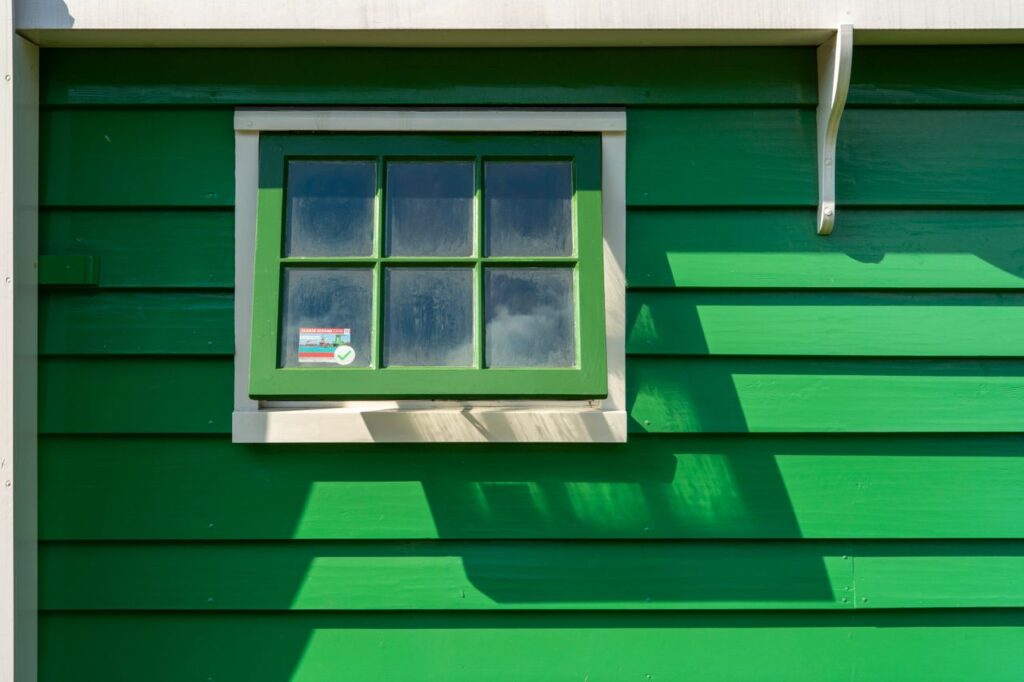
A monochromatic scheme, where the siding, trim, and accents stay within one color family, creates an uninterrupted surface that the eye reads as taller. If you want contrast, keep it intentional: a crisp white trim against a mid-tone body sharpens the edges and frames the windows without chopping the facade into busy pieces.
Choose the Right Siding Profile
The profile, or the shape and width of each siding panel, dramatically affects how a small home reads. Consider these options:
- Vertical board-and-batten: Vertical lines draw the eye upward and make a low house feel taller. A gable or entry section in board-and-batten adds height without changing the roofline.
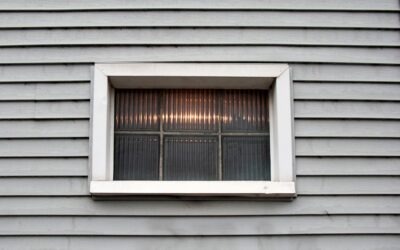
- Narrow horizontal lap (Dutch lap or traditional clapboard): Slim 4- to 4.5-inch reveals create more shadow lines across the wall, which can make a short wall appear longer and more detailed.
- Shake and shingle panels: Used in gables or as an accent band, these add cottage texture and a sense of craftsmanship that elevates a modest home.
Mixing two profiles, such as horizontal lap on the main body with shake siding in the gable, is one of the most effective ways to give a small home custom character without enlarging it.
Smart Accent and Texture Ideas
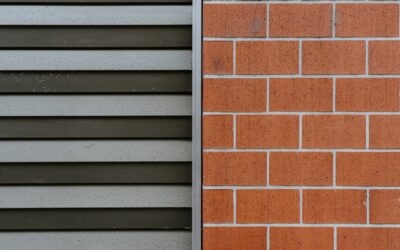
Small homes shine when a few thoughtful accents break up the plainness without overwhelming it. A single gable clad in a contrasting shake adds a focal point. A stone or brick-look veneer skirt along the lower portion of the front wall grounds the house and adds perceived value. Wide window and door trim in a contrasting color frames the openings and makes standard windows look more substantial.
Resist the urge to use more than two or three colors total. On a compact facade, restraint reads as sophistication, while a patchwork of competing materials makes the house feel cluttered and even smaller.
Popular Color Combinations That Work
If you want a starting point, these pairings consistently flatter smaller homes:
- Warm white body with charcoal trim and a natural-wood-look front door for a fresh modern-farmhouse look.
- Soft sage or sea-glass green with white trim for a cottage feel that stays light and inviting.
- Light gray body with darker gray shake gables and black window frames for a clean transitional style.
- Pale blue with crisp white trim and a stone skirt for classic coastal charm.
Details That Make Vinyl Look High-End
Cheap-looking vinyl is usually a result of skipped details, not the material itself. Specify wider trim around windows and doors, add corner posts that look like real corner boards, and use a shadow-line or beaded profile rather than the thinnest builder-grade panel. Insulated vinyl siding lays flatter against the wall and resists the slight waviness that gives budget installs away, while also improving energy efficiency, a real benefit on a small home with a high wall-to-floor ratio.
Layering Texture Without Overwhelming the Facade
The secret to making a small home look custom rather than cramped is layering texture in a controlled way. Think in terms of a base, an accent, and a frame. The base is your main siding, usually a horizontal lap that covers most of the wall. The accent is a single area of different texture, such as a shake gable or a board-and-batten entry section, that draws the eye and adds craftsmanship. The frame is your trim, the wide boards around windows, doors, and corners that pull the whole composition together.
Keeping those three layers within a tight color story is what separates a designer-looking exterior from a busy one. On a small facade, even one extra material or color can tip the balance toward visual clutter. When in doubt, subtract. A clean two-tone home with one well-placed texture accent almost always reads as more expensive than a house trying to do too much across a tiny wall.
Don’t Overlook the Front Door and Hardware
On a small home, the front door is a disproportionately large share of the facade, so it’s one of your highest-impact upgrades. A door painted a confident color, whether a deep navy, forest green, or warm wood stain, instantly adds personality and a focal point that makes the siding around it look intentional. Pair it with simple black or bronze house numbers, a matching light fixture, and clean hardware. These small finishing touches cost little but elevate the entire exterior, especially when the rest of your color palette stays restrained.
Plan Around Your Roof and Surroundings
Always test colors against your existing roof shingles and any permanent stone or brick, since those tones are expensive to change. Order full-size sample boards rather than judging from a tiny chip, and view them in both morning and evening light; vinyl can shift noticeably between bright sun and shade. Check your neighborhood or HOA guidelines before committing, as some communities restrict darker colors.
With the right combination of light color, an upward-drawing profile, and a couple of restrained accents, these vinyl siding ideas for small homes turn a modest exterior into one that looks deliberate, well-proportioned, and bigger than its square footage. Spend your budget on trim width, profile mix, and color, and the compact size becomes an asset rather than a limitation.
Prefer to explore on your own?
See how new flooring looks in your actual room in seconds — free, no signup.
Try the free Floor Studio →