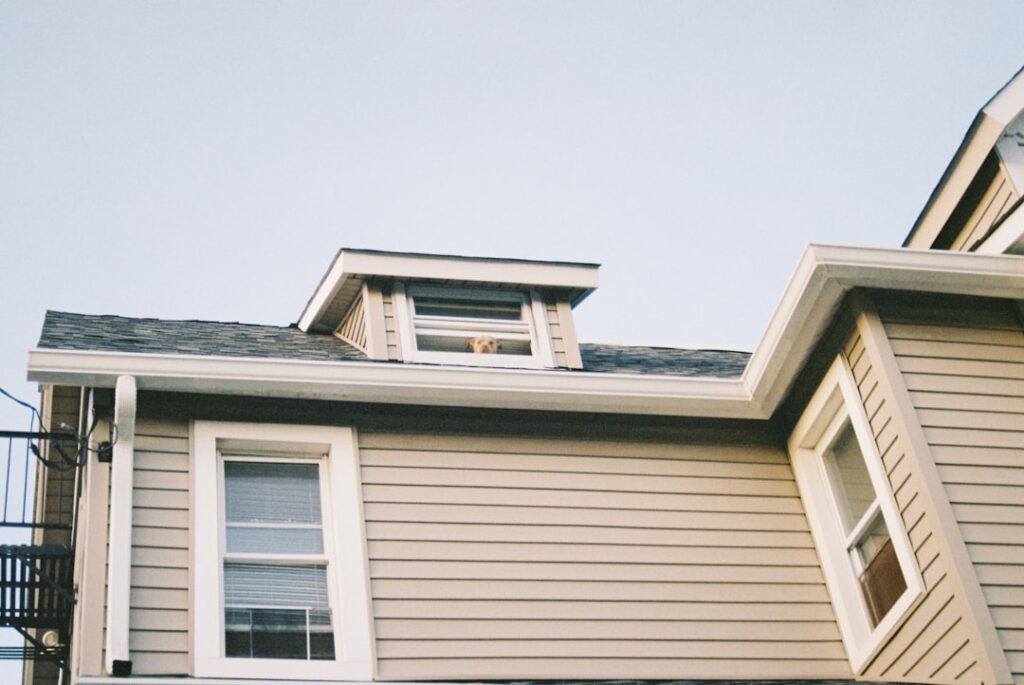
Knowing the real vinyl siding installation cost before getting quotes protects you from overpaying and helps you budget accurately for one of the largest exterior home improvements you can make. Vinyl siding remains the most popular exterior cladding material in the United States, covering roughly one-third of all homes, and for good reason: it delivers solid curb appeal at a price point that most homeowners can manage.
After more than 30 years in the home improvement industry, we have seen vinyl siding pricing fluctuate with material costs, labor markets, and demand cycles. This guide reflects actual 2026 project costs based on current market conditions, not outdated averages or manufacturer estimates that rarely match real-world pricing.
Cost Per Square Foot
The vinyl siding installation cost per square foot ranges from $3 to $12 fully installed, with most homeowners paying $5-8 per square foot. This all-in price includes materials, labor, and basic trim work.
Note that siding is sold and priced by the “square,” which equals 100 square feet of wall coverage. When contractors quote per square, multiply by 100 to get the per-square-foot figure, or divide their per-square price by 100.
Materials only: $1.50-5.00 per square foot depending on grade and style. Basic horizontal lap siding in standard colors starts at the low end. Premium insulated siding, board and batten styles, and shake profiles sit at the high end.
Labor only: $1.50-5.00 per square foot depending on your region, the complexity of the job, and whether old siding needs removal. Labor rates are higher in metropolitan areas and during peak construction season (spring and summer).
Trim and accessories: $0.50-2.00 per square foot of wall area. This covers J-channel, corner posts, starter strips, window and door trim, soffit, and fascia. Trim costs are often underestimated but can add 15-25% to the total project cost.
Total Project Cost Estimates
Here is what complete vinyl siding projects actually cost for typical homes in 2026.
Small home (1,000-1,200 sq ft, single story): $5,000-10,000 total. These homes typically have 800-1,200 square feet of exterior wall area. Simple rectangular footprints with few windows keep costs at the lower end.
Average home (1,500-2,000 sq ft, two story): $8,000-18,000 total. Two-story homes have more wall area relative to their footprint, typically 1,500-2,500 square feet of siding. Multiple windows, dormers, and architectural details push costs toward the higher end.
Large home (2,500-3,500 sq ft): $15,000-30,000 total. Larger homes with complex rooflines, multiple gables, and extensive trim work represent the most expensive projects. Scaffolding requirements for tall walls add to labor costs.
National average project: The typical vinyl siding installation cost for an average American home falls between $10,000 and $16,000 including materials, labor, removal of old siding, and basic trim work. This average reflects mid-grade vinyl siding on a two-story home with standard architectural features.
Labor vs Materials Breakdown
Understanding the split between labor and materials helps you evaluate quotes and identify where savings are possible.
Materials typically represent 35-45% of the total cost. This includes the vinyl siding panels, all trim pieces, fasteners, house wrap (if needed), insulation board, and flashing. Material costs are relatively consistent across regions because they are manufactured products with established pricing.
Labor typically represents 55-65% of the total cost. Siding installation is labor-intensive work that includes removing old siding, preparing the wall surface, installing house wrap and insulation, hanging the siding panels, fitting all trim work, and cleaning up. Labor costs vary significantly by location and season.
Breakdown example for a $12,000 project:
- Vinyl siding panels: $2,500-3,500
- Trim and accessories: $1,000-1,800
- House wrap and insulation: $400-800
- Fasteners and miscellaneous: $200-400
- Labor (installation): $4,500-6,000
- Labor (old siding removal): $800-1,500
- Disposal fees: $300-600
DIY installation eliminates the labor component, but we address the realities of that option in our saving money section below.
Factors That Affect Your Price
Multiple variables cause the vinyl siding installation cost to swing significantly from one project to another.
Existing siding removal: If old siding must be removed (rather than installing over it), add $1,000-3,000 to the project. Wood siding removal is more labor-intensive than removing old vinyl. Asbestos-containing siding requires certified abatement contractors and can add $5,000-15,000 to the project.
Wall repairs: Once old siding comes off, damaged sheathing, rotted framing, and moisture problems become visible. Repairing these issues before new siding goes up is essential but adds $500-5,000 depending on severity. Expect some wall repair on any home over 20 years old.
House height and accessibility: Single-story homes are the easiest and cheapest to side. Each additional story adds scaffolding requirements and slower work pace. Homes on steep lots or with limited access around the perimeter also cost more due to logistics.
Architectural complexity: Homes with multiple gables, dormers, bay windows, and irregular rooflines require more cutting, fitting, and trim work. A simple colonial-style box costs less to side than a Victorian with complex trim details, even if the square footage is identical.
Number of windows and doors: Each opening requires J-channel trim, precise cutting, and flashing. Homes with many windows cost more per square foot than homes with fewer openings.
Geographic location: Labor rates in the Northeast and West Coast run 20-40% higher than in the Southeast and Midwest. Permitting requirements and disposal costs also vary by municipality.
Season: Spring and summer are peak siding season. Scheduling your project for late fall or early winter can reduce labor costs by 10-20% when contractors are looking for work during the slow season.
Cost by House Size
These estimates use mid-grade vinyl siding with standard installation, including removal of old siding.
1,000 sq ft home (approx 900 sq ft wall area):
- Budget vinyl: $4,500-6,500
- Mid-grade vinyl: $6,000-9,000
- Premium vinyl: $8,000-12,000
1,500 sq ft home (approx 1,400 sq ft wall area):
- Budget vinyl: $7,000-10,000
- Mid-grade vinyl: $9,000-14,000
- Premium vinyl: $12,000-18,000
2,000 sq ft home (approx 1,800 sq ft wall area):
- Budget vinyl: $9,000-13,000
- Mid-grade vinyl: $12,000-18,000
- Premium vinyl: $16,000-24,000
2,500 sq ft home (approx 2,200 sq ft wall area):
- Budget vinyl: $11,000-16,000
- Mid-grade vinyl: $15,000-22,000
- Premium vinyl: $20,000-30,000
3,000 sq ft home (approx 2,600 sq ft wall area):
- Budget vinyl: $13,000-19,000
- Mid-grade vinyl: $18,000-26,000
- Premium vinyl: $24,000-36,000
Vinyl Siding Grades and Price Differences
Not all vinyl siding is created equal. The thickness, insulation backing, and color technology all affect price and performance.
Builder grade (0.040-0.042 inch thick): $1.50-2.50 per square foot for materials. This is the thinnest vinyl available and the most prone to warping, fading, and impact damage. It works for rental properties and budget-conscious projects where appearance is secondary to cost. Expect visible waviness on walls that receive direct sun exposure.
Standard grade (0.044-0.046 inch thick): $2.50-3.50 per square foot. The sweet spot for most homeowners. Standard grade vinyl resists impact better, hangs straighter on the wall, and comes in a wider range of colors and profiles. Most major brands (CertainTeed, Ply Gem, Alside) offer strong products in this thickness range.
Premium grade (0.048-0.055 inch thick): $3.50-5.00 per square foot. Noticeably more rigid and durable than standard grade. Premium vinyl often includes enhanced UV stabilizers for fade resistance, deeper wood grain textures, and more realistic profiles. James Hardie ColorPlus and CertainTeed Cedar Impressions are popular premium options.
Insulated vinyl siding: $4.00-7.00 per square foot. Features a rigid foam backing permanently bonded to the vinyl panel. Insulated siding adds R-2 to R-5 insulation value, reduces outside noise, hangs flatter, and resists impact better than uninsulated panels. The higher vinyl siding installation cost pays for itself through energy savings over 5-10 years in most climates.
Additional Costs to Plan For
Several expenses are frequently left out of initial quotes or underestimated in budget planning.
Permits: Most municipalities require building permits for siding replacement. Permit fees range from $50-500 depending on your location. Your contractor should handle the permit application, but the cost is typically passed to you.
Soffit and fascia: The underside of roof overhangs (soffit) and the vertical trim at the roofline (fascia) often need replacement when siding is updated. New vinyl soffit and fascia add $1,500-4,000 to most projects.
Gutter removal and reinstallation: Gutters must be removed before siding installation and reinstalled afterward. This adds $500-1,500. If your gutters are old, this is an ideal time to replace them, adding $1,000-2,500 for a complete new gutter system.
Window and door trim upgrades: Replacing outdated aluminum window trim with new vinyl trim adds $100-250 per window and $150-300 per door. This is strongly recommended for a cohesive finished appearance.
Moisture barrier: If your home does not have house wrap (Tyvek or similar) beneath the existing siding, adding it costs $0.50-1.00 per square foot of wall area. House wrap is critical for preventing moisture infiltration and should not be skipped.
How to Save on Vinyl Siding
These strategies can reduce your vinyl siding installation cost without compromising quality.
Get multiple quotes. Prices vary by 20-40% between contractors in the same market. Get at least three detailed written quotes that specify the vinyl brand and grade, trim details, and what is included in the price. Compare apples to apples.
Schedule for the off-season. Late fall and winter projects (weather permitting in your region) cost 10-20% less because contractors compete harder for work during slow months. The installation quality is the same; only the demand level changes.
Choose standard colors. Custom and premium colors cost 15-25% more than standard color options. White, almond, grey, and light blue are typically the most affordable options and also the most popular for resale appeal.
Keep the existing trim if possible. If your current window trim, corner posts, and fascia are in good condition, keeping them and wrapping them with aluminum coil stock saves $1,000-3,000 compared to full replacement with new vinyl trim.
Install over existing siding when appropriate. If your walls are sound and the existing siding provides a flat surface, installing new vinyl over it eliminates removal and disposal costs ($1,000-3,000 savings). This only works if the wall surface is flat and the existing siding is not trapping moisture.
Consider DIY with caution. Vinyl siding installation is technically within reach for experienced DIYers with proper tools. You can save 50-60% by doing the work yourself. However, improper installation causes buckling, water infiltration, and voided warranties. Mistakes on a two-story home can be dangerous and expensive to fix. If you attempt DIY, start with a small, single-story section to develop your technique.
Frequently Asked Questions
How much does it cost to side a 1,500 square foot house with vinyl?
A 1,500 square foot house typically costs $9,000-14,000 for mid-grade vinyl siding fully installed, including removal of old siding and standard trim work. Budget options start around $7,000 while premium insulated vinyl can reach $18,000.
Is vinyl siding worth the investment?
Vinyl siding is one of the best values in exterior home improvements. It recovers 65-75% of its cost at resale, lasts 25-40 years with minimal maintenance, and dramatically improves curb appeal. Insulated vinyl siding also reduces energy costs by $100-300 per year in most climates.
How long does vinyl siding installation take?
A professional crew of 3-4 workers typically completes an average home in 3-5 days. Larger homes, complex architecture, and weather delays can extend the timeline to 7-10 days. Old siding removal adds 1-2 days to the project.
Should I repair or replace vinyl siding?
Repair individual damaged panels if the rest of the siding is in good condition. A single panel replacement costs $100-300. Replace all the siding when more than 20-30% of the panels show significant fading, cracking, warping, or moisture damage. At that point, replacement is more cost-effective than multiple repairs.
What is the cheapest type of siding?
Vinyl is the cheapest professionally installed siding material at $3-8 per square foot. The only cheaper options are engineered wood panels ($3-6/sq ft but less durable) and aluminum ($3-7/sq ft but prone to denting). Fiber cement ($6-13/sq ft), wood ($8-15/sq ft), and stone veneer ($15-30/sq ft) all cost significantly more.