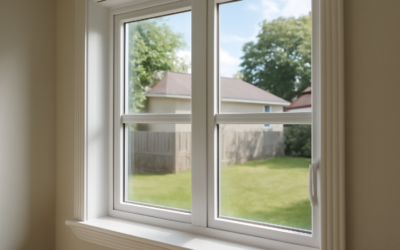
Drafty, foggy, or hard-to-open windows quietly drain money from your home every month through wasted heating and cooling. Vinyl window replacement is the most popular fix because it combines strong energy performance, low maintenance, and a reasonable price compared with wood, fiberglass, or aluminum. For most homeowners, replacing aging windows with quality vinyl units pays off in lower energy bills, a quieter interior, and noticeably better curb appeal.
Part of our Windows & Doors guide — explore the full guide →
What Makes Vinyl Windows Popular
Vinyl windows are built from rigid PVC frames that resist moisture, never need painting, and will not rot or corrode. The frames are often hollow or filled with insulating foam, which helps slow heat transfer. Combined with insulated glass, they create an efficient, sealed unit that holds up for decades with minimal upkeep.
Cost is the other big draw. Vinyl typically costs less than fiberglass and wood while still delivering solid efficiency. That balance of price and performance is why vinyl dominates the replacement window market.
Key Benefits
- Energy efficiency: insulated frames and double or triple glazing cut drafts and heat loss
- Low maintenance: no painting, staining, or sealing required
- Moisture resistance: will not rot, warp, or rust in humid or rainy climates
- Affordability: generally the lowest-cost replacement material
- Noise reduction: a tight seal and dual-pane glass quiet outside noise
The main trade-off is that vinyl comes in a more limited range of colors than painted wood or fiberglass, and very dark frames can warp in extreme heat. Choosing a reputable manufacturer with proper heat-stabilized vinyl minimizes that risk.
Understanding the Glass
The frame matters, but the glass package determines most of the efficiency. Look for double-pane or triple-pane insulated glass with a Low-E coating, which reflects heat while letting light through. Argon or krypton gas between the panes adds another layer of insulation. Pay attention to two ratings on the label: the U-factor, where lower numbers mean better insulation, and the Solar Heat Gain Coefficient, which you want lower in hot climates and moderate in cold ones.
The Replacement Process
A typical vinyl window replacement follows a clear sequence.
- An installer measures each opening precisely and confirms whether you need an insert (pocket) replacement or a full-frame replacement.
- The old sashes and, for full-frame jobs, the existing frame are removed.
- The opening is inspected for rot or water damage and repaired as needed.
- The new vinyl window is set, leveled, shimmed square, and fastened.
- The unit is insulated around the perimeter and sealed with flashing and exterior caulk.
- Interior and exterior trim is finished and the window is tested for smooth operation.
Insert replacements reuse the existing frame and are faster and cheaper, while full-frame replacements address damaged frames and allow a complete reseal. A pro can advise which your home needs.
Cost Expectations
Installed vinyl windows commonly fall in the range of several hundred dollars per window for standard sizes, with larger or specialty windows costing more. Whole-house projects run into the thousands depending on the number and style of windows, glass package, and labor rates in your area. Full-frame replacements cost more than inserts because of the additional labor and materials. Always get multiple itemized quotes and confirm what the price includes, such as disposal, trim, and warranty coverage.
Window Styles to Consider
Vinyl is offered in nearly every common window style, and matching the style to the room improves both function and looks.
- Double-hung: both sashes move and tilt in for easy cleaning; the most popular all-around choice
- Single-hung: only the bottom sash moves, usually a bit cheaper
- Casement: hinged on the side and cranked open; seals tightly and is great over kitchen sinks
- Slider: glides horizontally, ideal for wide openings and basements
- Picture: fixed and non-opening, maximizing the view and efficiency
- Bay and bow: projecting combinations that add space and light
Mixing styles is common; many homes use casements where ventilation matters and picture windows where the view is the priority.
Signs You Need Replacement
It is not always obvious when windows have reached the end of their life. Watch for drafts you can feel near the frame, condensation or fog trapped between the panes (a sure sign the glass seal has failed), windows that stick or will not stay open, visible rot on wood frames, and rising energy bills with no other explanation. Single-pane windows and older aluminum frames are also prime candidates, since they conduct heat and cold readily. If you are noticing several of these signs at once, replacement usually pays back faster than repeated repairs.
Choosing the Right Windows
Match the window style to your home and how each room is used. Double-hung windows are versatile and easy to clean, casement windows seal tightly and open wide for ventilation, and sliders work well for wide openings. Look for ENERGY STAR certified units rated for your climate zone, and prioritize a strong warranty that covers both the frame and the glass seal. A quality installation matters as much as the window itself, so hire an experienced, licensed installer.
Done right, vinyl window replacement is one of the most reliable home upgrades available, delivering comfort, savings, and a refreshed exterior for decades.
Vinyl Versus Other Frame Materials
Knowing how vinyl stacks up against the alternatives helps you decide if it is right for your home. Wood frames offer classic beauty and can be painted any color, but they cost more and require regular maintenance to prevent rot. Fiberglass is extremely strong, stable in temperature extremes, and holds paint well, but it sits at a higher price point. Aluminum is durable and slim-framed but conducts heat and cold readily, making it the least energy-efficient. Vinyl lands as the value leader: efficient, maintenance-free, and affordable, with the main trade-off being fewer color options and a slightly bulkier frame than aluminum or fiberglass.
Maximizing Your Investment
A few decisions stretch the value of new vinyl windows. Choose the glass package suited to your climate, prioritizing a low U-factor in cold regions and a low Solar Heat Gain Coefficient in hot ones. Look for ENERGY STAR certification, which can also qualify you for utility rebates or tax incentives in some areas. Insist on professional installation with proper flashing and air sealing, since even the best window underperforms if installed poorly. Finally, read the warranty closely; the strongest cover both the frame and the insulated glass seal, often for decades, and some are transferable to a new owner, which adds resale value when you sell the home.