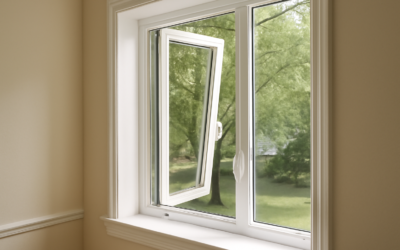
Shopping for replacement windows quickly buries you in confusing terms, and “clad” is one of the most misunderstood. Vinyl clad windows pair a wood interior with a protective vinyl exterior, giving you the warm look of real wood inside and a low-maintenance, weather-resistant face outside. Understanding how they differ from all-vinyl and aluminum-clad windows helps you spend your money where it counts.
Part of our Windows & Doors guide — explore the full guide →
- What Vinyl Clad Windows Are
- How They Compare to Other Window Types
- The Advantages of Vinyl Clad Windows
- The Drawbacks to Consider
- Energy Efficiency and Glass Options
- Cost Expectations
- Installation and Longevity
- Maintaining Vinyl Clad Windows
- Questions to Ask Before You Buy
- Style and Resale Considerations
- Are Vinyl Clad Windows Right for You?
- The Bottom Line
What Vinyl Clad Windows Are
A clad window has a wood core or interior wrapped on the outside with a different, more durable material. With vinyl clad windows, that protective skin is vinyl. The interior shows natural wood that you can stain or paint, while the exterior vinyl shrugs off rain, sun, and temperature swings without the upkeep that bare wood demands.
This is different from an all-vinyl window, which is made entirely of vinyl with no wood at all, and from an aluminum-clad window, which uses a metal exterior over the wood.
How They Compare to Other Window Types
Choosing the right construction means weighing looks, maintenance, and budget. Here is how the main options stack up:
- All-vinyl: The most affordable and lowest maintenance, but the interior is also vinyl, so you lose the real-wood look.
- Vinyl clad: Wood interior with a protected vinyl exterior. A middle ground on price with a warm inside.
- Aluminum clad: Wood interior with a metal exterior that holds a factory finish and tends to feel more premium. Often costs more.
- All-wood: The classic look inside and out, but the most maintenance and the highest exposure to rot and weathering.
The Advantages of Vinyl Clad Windows
The appeal comes down to combining the best traits of two materials. Key benefits include:
- Low exterior maintenance: The vinyl skin resists moisture and does not need scraping and repainting like bare wood.
- Real wood interior: You get a paintable or stainable wood surface that matches trim and cabinetry.
- Good energy efficiency: Wood is a natural insulator, and quality units use insulated glass packages.
- Moderate cost: Generally less expensive than aluminum-clad wood windows.
- What is the warranty on the window, the glass seal, and the labor, and how long does each last?
- What glass package is included, and what are the U-factor and solar heat gain ratings for my climate?
- How is the window flashed and sealed during installation to protect the wood core?
- What color options are available, and are darker exterior colors covered under warranty against fading?
The Drawbacks to Consider
No window is perfect. Vinyl cladding is less rigid than aluminum, so very large windows may rely more on the wood structure beneath. Vinyl exteriors come in a more limited palette of colors than painted aluminum, and dark colors can be harder to find because they absorb heat. If the cladding is ever damaged and water reaches the wood behind it, rot can develop, so proper installation and flashing matter a great deal.
Energy Efficiency and Glass Options
The frame is only part of the efficiency story. Look at the glass package: double or triple panes, a low-emissivity coating, and an inert gas fill between panes all improve insulation. Check the energy performance ratings on the label and look for the ENERGY STAR designation appropriate for your climate zone. In cold regions, a lower U-factor helps retain heat, while in hot climates a lower solar heat gain coefficient keeps interiors cooler.
Cost Expectations
Window pricing varies widely by size, brand, and installation, but as a general guide, vinyl clad wood windows typically fall between all-vinyl and aluminum-clad wood in price. Installed costs per window commonly range from a few hundred to over a thousand dollars depending on size and options. Get multiple written quotes that separate the window cost from labor.
Installation and Longevity
Proper installation is what determines whether a clad window lasts. Correct flashing and sealing keep water away from the wood core, which is the most vulnerable part of any clad unit. Hire an experienced installer and ask about the warranty on both the window and the labor. With sound installation and intact cladding, these windows can serve for decades.
Maintaining Vinyl Clad Windows
The whole point of cladding is reduced upkeep, but the windows are not entirely maintenance-free. On the exterior, wash the vinyl with mild soap and water once or twice a year to remove dirt and keep the finish looking fresh. Inspect the caulk and weatherstripping annually and reseal any gaps so water cannot reach the wood core. On the interior, treat the wood as you would any wood trim, refinishing the stain or paint as needed over the years.
Keep an eye on the cladding itself for cracks or separation, especially after hailstorms or hard impacts. Because the wood behind the vinyl is the vulnerable part, addressing any breach in the cladding promptly is the single best thing you can do to extend the window’s life.
Questions to Ask Before You Buy
A little homework up front prevents regret later. Before signing a contract, ask the supplier or installer:
Clear answers to these questions tell you a lot about both the product quality and the installer’s experience.
Style and Resale Considerations
Windows are a long-term investment that affects both how your home feels and what it is worth. A wood interior reads as warmer and more upscale than an all-vinyl interior, which can appeal to buyers in older or higher-end homes where character matters. At the same time, the maintenance-free exterior is an easy selling point because no buyer wants to inherit a repainting chore. Choose an exterior color that suits your home’s architecture and neighborhood, and keep the windows consistent across the house for a cohesive look. Quality replacement windows, properly installed, tend to be a strong contributor to curb appeal and energy efficiency at resale time.
Are Vinyl Clad Windows Right for You?
They make the most sense if you want the warmth of a wood interior, the convenience of a maintenance-free exterior, and a price that lands below aluminum-clad options. If you want the absolute lowest cost and do not care about a wood interior, all-vinyl wins. If you want a wider color range and maximum exterior durability, aluminum cladding may be worth the premium.
The Bottom Line
Vinyl clad windows deliver a smart compromise: real wood where you see it and touch it inside, and tough, low-maintenance vinyl facing the weather outside. Focus on a quality glass package, confirm proper flashing during installation, and weigh the color and durability trade-offs against aluminum-clad alternatives before you buy.
Prefer to explore on your own?
See how new flooring looks in your actual room in seconds — free, no signup.
Try the free Floor Studio →