When homeowners shop for replacement windows, the most common frame material they end up choosing is not wood or aluminum but PVC. A vinyl window combines low maintenance, solid energy efficiency, and a price that fits most budgets, which is why it dominates the residential replacement market. The frames never need painting, resist moisture and rot, and insulate well thanks to hollow chambers in the frame. Like any product, vinyl has trade-offs worth understanding before you commit. This guide breaks down how vinyl windows perform, what they cost, and how to spot quality.
Part of our Windows & Doors guide — explore the full guide →
What a Vinyl Window Is Made Of
Vinyl windows are built from polyvinyl chloride, the same rigid PVC family used in pipes and siding, reinforced with additives that improve UV resistance and impact strength. The frame is extruded into multi-chambered profiles, meaning the interior is divided into hollow air pockets. Those chambers trap air and slow heat transfer, which is a big part of why vinyl insulates better than bare aluminum. Quality frames often add metal or composite reinforcement in larger sizes to keep them rigid.
Key Advantages
- Low maintenance: Vinyl never needs painting, sealing, or staining. A wipe-down with soap and water keeps it clean.
- Energy efficiency: The insulating chambers, combined with double or triple glazing and low-E coatings, deliver strong thermal performance.
- Moisture resistance: Vinyl will not rot, swell, or corrode, making it a good fit for humid climates and bathrooms.
- Affordability: It is typically the least expensive frame material, both for the unit and installation.
- Color through the material: The color runs throughout, so minor scratches do not expose a different shade.
The Trade-Offs
Vinyl is not perfect. Color options are more limited than wood or fiberglass, and you generally cannot repaint a vinyl frame, so the color you choose is permanent. Dark colors can absorb heat and, on lower-grade frames, lead to warping over time, which is why many manufacturers limit or specially engineer their dark finishes. Vinyl also expands and contracts more than fiberglass with temperature swings, and very cheap frames can become brittle after years of UV exposure. It does not offer the high-end look or the refinishing flexibility of real wood.
Energy Efficiency Details
The frame material is only part of the efficiency story. To get the full benefit from a vinyl window, pay attention to the glass package. Look for double or triple panes, low-emissivity (low-E) coatings that reflect heat, and argon or krypton gas fills between panes that slow heat transfer. Check the National Fenestration Rating Council (NFRC) label for the U-factor, which measures insulation (lower is better), and the Solar Heat Gain Coefficient (SHGC), which matters most in hot climates. An ENERGY STAR certified vinyl window in the right climate zone can meaningfully cut heating and cooling costs.
Cost Ranges
Vinyl windows are budget-friendly, though prices vary by size, glass package, and brand. As a general guide, expect a standard double-hung vinyl window to fall in the range of roughly $300 to $800 for the unit, with installation often adding $150 to $400 per window. Larger windows, specialty shapes, and triple-pane upgrades push costs higher. Whole-home projects benefit from volume pricing, and replacing many windows at once usually lowers the per-window installation cost. These are general ranges; always get local quotes for accurate pricing.
How to Spot a Quality Vinyl Window
Not all vinyl is equal, and price often tracks quality.
- Welded corners: Fusion-welded frame corners are stronger and more airtight than mechanically fastened ones.
- Multiple chambers: More internal air chambers usually mean better insulation and rigidity.
- Quality hardware: Smooth-operating locks, balances, and weatherstripping signal a better build.
- Good warranty: Look for a strong frame and glass warranty, and confirm whether it transfers to a new owner.
- Reinforcement: Larger units should have internal metal or composite reinforcement to prevent sagging.
Vinyl vs Other Frame Materials
Against wood, vinyl wins on maintenance and price but loses on premium appearance and the ability to refinish. Against aluminum, vinyl insulates far better, which matters in any climate with real winters or hot summers. Against fiberglass, vinyl is cheaper, but fiberglass is more dimensionally stable, handles dark colors better, and can be painted. For most homeowners balancing performance and budget, vinyl hits the sweet spot, while those after the highest-end look or extreme durability may pay more for fiberglass or clad wood.
Common Vinyl Window Styles
Vinyl frames come in nearly every operating style, so you can use them throughout a home.
- Double-hung: Both sashes slide vertically and tilt in for cleaning. The most popular replacement style.
- Single-hung: Only the bottom sash moves, slightly cheaper than double-hung.
- Casement: Hinged on the side and cranked open, offering excellent ventilation and a tight seal.
- Sliding: Sashes glide horizontally, good for wide openings.
- Picture: Fixed and non-operating for maximum glass and views, very energy efficient because they do not open.
- Awning: Hinged at the top and opening outward, allowing ventilation even in light rain.
Color and Style Options
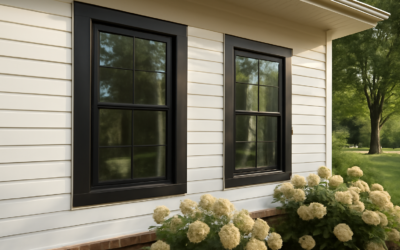
White remains the most common and least expensive vinyl color, but manufacturers now offer tans, grays, blacks, and woodgrain laminate finishes that mimic stained wood. Keep in mind that vinyl color is permanent, since the frames are not designed to be repainted, so choose a color you will be happy with long term. Darker exterior colors look striking but require frames engineered to resist heat absorption and warping, so confirm the manufacturer rates the color for your climate and exposure. Interior and exterior colors can sometimes differ, letting you match white inside with a darker exterior.
Lifespan and Warranty
A quality vinyl window typically lasts 20 to 40 years with minimal maintenance, though cheaper frames may yellow or become brittle sooner under heavy sun. The warranty tells you a lot about expected longevity: look for strong coverage on the frame, the glass seal against fogging, and the hardware. Confirm whether the warranty is transferable to a future owner, which can be a selling point, and whether labor is covered or only parts. Reading the warranty carefully before buying helps you separate a durable window from a bargain unit that will disappoint.
Installation and Care
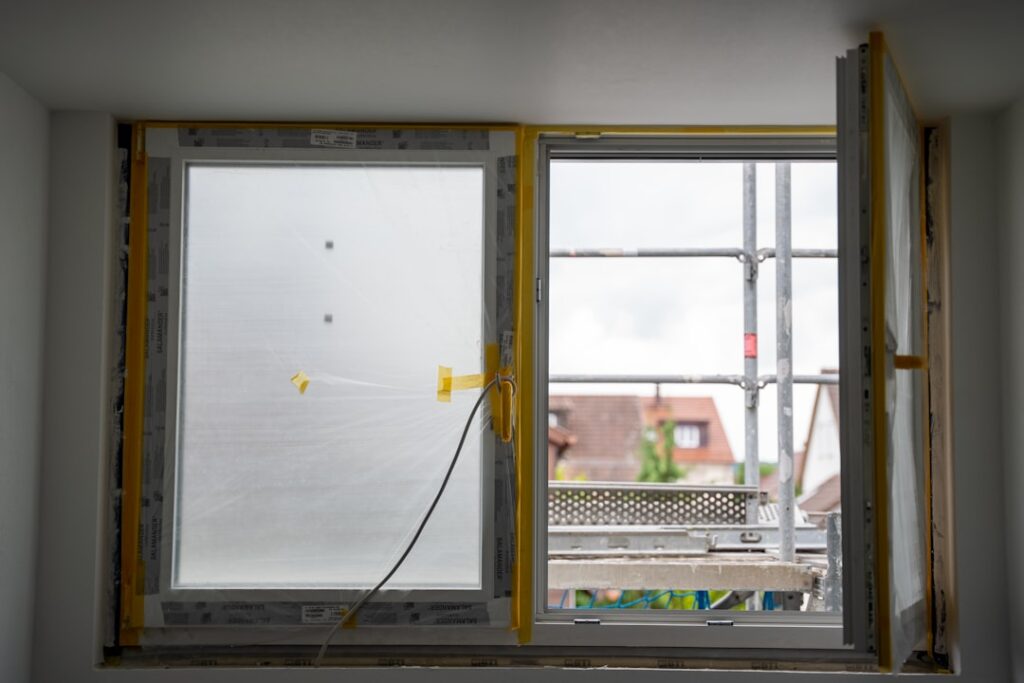
Proper installation matters as much as the window itself. A well-sealed, properly flashed install prevents air and water leaks that undermine even a top-tier frame. Hire an experienced installer and confirm they air-seal and insulate around the frame. Once installed, vinyl windows need almost nothing: clean the frames and tracks with mild soap, lubricate moving parts occasionally, and check the weatherstripping every few years. With minimal care, a quality vinyl window commonly lasts 20 to 40 years.
Final Thoughts
A vinyl window is the practical default for a reason. It delivers reliable energy savings, shrugs off moisture, and asks for almost no upkeep, all at a price that beats most alternatives. Focus your money on the glass package and build quality rather than the lowest sticker price, choose a reputable installer, and you will get decades of comfortable, efficient performance from windows you essentially never have to think about.