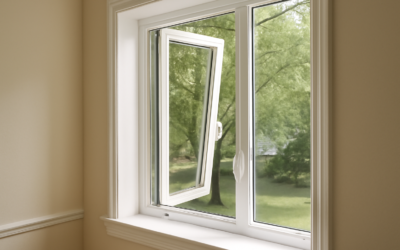
When it comes time to replace windows, white vinyl windows are among the most popular choices in American homes, and the reasons are easy to understand. Made from durable PVC frames in a clean, classic white finish, these windows combine affordability, energy efficiency, and minimal maintenance in a look that suits nearly any home style. They have become the default upgrade for homeowners who want solid performance without a premium price.
Part of our Windows & Doors guide — explore the full guide →
This guide covers what vinyl windows are, the benefits and trade-offs of the white finish, the styles available, realistic costs, and the care that keeps them looking and performing well.
What Vinyl Windows Are
Vinyl windows are built from frames made of polyvinyl chloride, or PVC, the same durable plastic used in many building products. The color is integrated throughout the material rather than painted on the surface, which is why white vinyl stays white without peeling or needing repainting. Most quality vinyl windows feature multi-chambered frames that add strength and insulation.
Modern vinyl windows are typically paired with insulated glass units, often double or triple panes with inert gas fills and low-emissivity coatings. This combination of an insulating frame and high-performance glass is what gives vinyl windows their strong energy ratings at a moderate price point.
Why White Is the Most Popular Choice
White is by far the best-selling color for vinyl windows, and that popularity is practical as well as aesthetic. The neutral white finish coordinates with almost any exterior color and architectural style, from traditional to contemporary, which makes it a safe, timeless choice.
White also tends to be the most affordable and widely stocked option, so it is easier to find, match, and replace. Because the color runs through the material, white vinyl resists the fading and chalking that can affect some darker finishes exposed to intense sun. For broad appeal and resale value, white is hard to beat.
Key Benefits
The widespread adoption of these windows rests on a combination of advantages that matter to everyday homeowners.
- Energy efficiency: Insulating frames and modern glass packages help reduce heating and cooling costs.
- Low maintenance: No painting, staining, or sealing required; the finish holds up on its own.
- Affordability: Vinyl is typically the most budget-friendly framing material for replacement windows.
- Durability: PVC resists moisture, rot, and corrosion, and will not warp like some materials.
- Moisture resistance: It does not absorb water, making it well suited to humid and rainy climates.
Trade-Offs to Consider
No window material is perfect, and it helps to know the limits of vinyl. The color is set at the factory and is difficult to change later, so if you want a different look down the road, repainting vinyl is not straightforward and can void warranties. Vinyl frames also expand and contract with temperature swings more than some materials, which is why quality manufacturing and proper installation matter.
Some homeowners feel vinyl looks less premium than wood or fiberglass, particularly in historic homes where authenticity is prized. And while white resists fading well, very dark vinyl colors can absorb more heat. For most mainstream applications, though, these trade-offs are minor compared with the value vinyl delivers.
Common Styles
White vinyl windows come in essentially every standard window style, so you can match function and aesthetics to each room.
- Double-hung: The classic style with two operable sashes; easy to clean and very popular.
- Single-hung: Similar look with one moving sash, usually more affordable.
- Casement: Hinged windows that crank outward for excellent ventilation and a tight seal.
- Sliding: Sashes glide horizontally, ideal for wide openings.
- Picture: Fixed windows that maximize light and views with no operating parts.
- Bay and bow: Combinations that project outward to add space and dimension.
Cost Expectations
Vinyl is generally the most economical replacement window material, which is a major part of its appeal. As a broad estimate, installed white vinyl windows commonly range from roughly 300 to 800 dollars per window, with larger sizes, specialty shapes, and premium glass packages pushing costs higher.
Several factors affect the total: window size and style, the glass and energy options you choose, the number of windows, and local labor rates. Whole-home projects often qualify for volume pricing. Treat these as estimates and gather multiple quotes from reputable installers, since pricing varies significantly by region and product line.
Care and Maintenance
One of the best things about these windows is how little upkeep they require. A simple routine keeps them looking fresh and operating smoothly.
- Wash the frames and glass periodically with mild soap and water; avoid harsh abrasives.
- Clean the tracks and weep holes so water drains properly and sashes glide freely.
- Lubricate moving parts and check weatherstripping occasionally for a tight seal.
- Inspect caulking around the exterior and reseal as needed to keep out drafts and moisture.
Because the white finish is integral to the material, you never need to paint or refinish it to keep it looking clean.
Understanding Energy Efficiency Ratings
If saving on energy bills is a priority, it helps to read the performance labels rather than rely on marketing claims. Look for the NFRC label, which reports standardized ratings. The U-factor measures how well the window insulates, with lower numbers indicating better resistance to heat loss, which matters most in cold climates. The Solar Heat Gain Coefficient, or SHGC, measures how much solar heat passes through, with lower numbers helping keep homes cooler in hot, sunny regions.
Features that improve these numbers include double or triple glazing, low-emissivity coatings that reflect heat, argon or krypton gas fills between panes, and warm-edge spacers that reduce heat transfer at the glass edges. An ENERGY STAR certification confirms the window meets efficiency guidelines for your climate zone. Choosing the right glass package for your region, rather than the cheapest option, is often where vinyl windows deliver the most long-term savings, since the frame and glass work together to control heat flow.
Final Thoughts
White vinyl windows remain a top choice for good reason: they deliver dependable energy efficiency, low maintenance, and broad style compatibility at a price most budgets can handle. The neutral white finish suits virtually any home and resists fading, while the durable PVC frame stands up to moisture and weather. Weigh the trade-offs around customization and premium aesthetics, get several local quotes, and white vinyl windows can be a smart, lasting upgrade for your home.