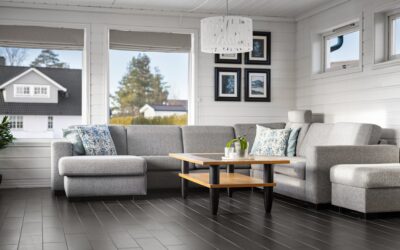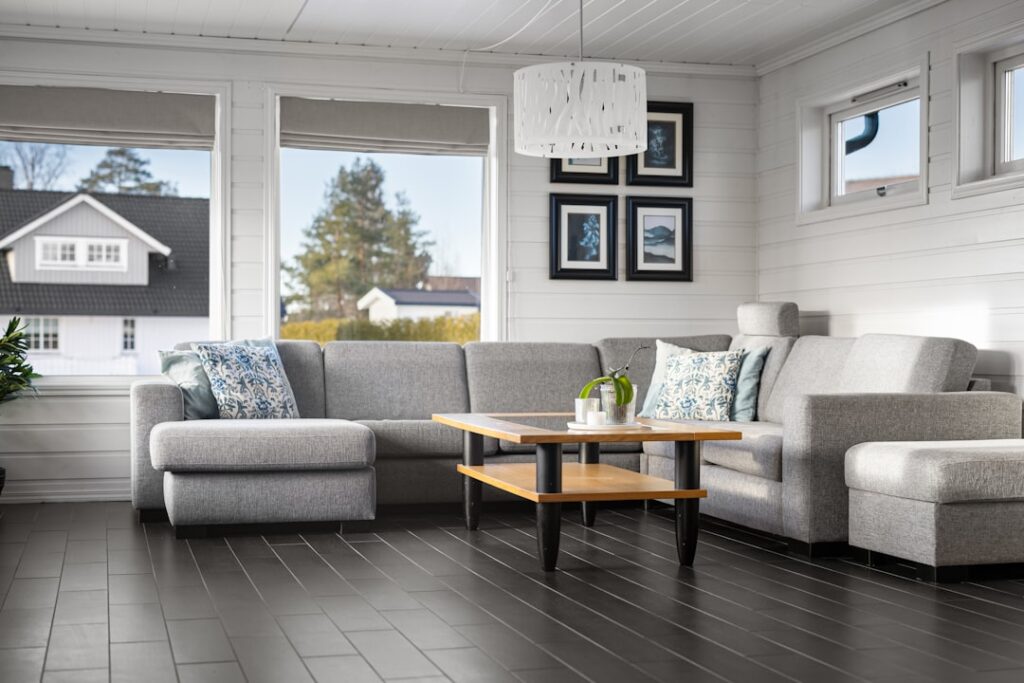
Real American walnut runs $14-$22 per square foot installed and scratches if you look at it sideways. Vinyl that convincingly imitates walnut runs a quarter of that price and handles dogs, kids, spilled coffee, and dragged furniture without flinching. Choosing the right walnut vinyl flooring comes down to more than just color — the grain pattern, sheen level, plank dimensions, and embossing depth all determine whether the floor reads as a premium design choice or as obvious plastic. This guide covers what separates a convincing walnut LVP from the disappointing imposters.
Why Walnut Appeals as a Floor Tone
Walnut is the warmest of the dark hardwoods — rich brown with chocolate undertones, often shot through with darker grain striping and occasional honey-colored sapwood. The color ages well, pairs beautifully with brass and warm metals, and carries a sophistication that darker ebony or cooler grey floors cannot match. It reads expensive without reading trendy.
The challenge with real walnut hardwood is its softness. American black walnut has a Janka hardness of 1,010 — far softer than oak (1,290) or hickory (1,820). In kitchens, entryways, and homes with pets, walnut dents and scratches rapidly. Walnut vinyl captures the visual appeal without the durability penalty.
Identifying Quality Walnut Visuals
The difference between a convincing walnut LVP and a disappointing one is grain realism. Real walnut grain is subtle — long, flowing, with soft variation rather than sharp contrast. Cheap walnut vinyl overdoes the contrast, printing fake grain lines that are too uniform and too dark. At arm’s length you can spot the fake immediately.
- Check for 12+ unique plank faces per SKU to avoid visible repeats
- Look for subtle sapwood streaks and natural mineral lines
- Verify embossed-in-register textures where grain aligns with printed pattern
- Confirm bevel treatment matches the wood look (painted vs. natural edge)
Sheen and Finish Considerations
Walnut looks best in matte or low-sheen finishes. Real walnut is typically finished with natural oil or hard-wax for a soft, hand-rubbed look. Glossy vinyl walnut immediately reads artificial because real walnut is rarely finished with a high-gloss topcoat. Stick to matte (5-10% gloss) or satin (20-30% gloss) LVP for convincing results.
Hand-scraped and wire-brushed textures amplify the walnut aesthetic. The texture depth catches light naturally and creates the subtle variation that distinguishes premium wood-look vinyl from flat, printed budget product. Expect to pay a premium of $0.50-$1.50 per square foot for embossed texture over smooth-face product.
Leading Walnut Vinyl Product Lines
Several manufacturers make convincing walnut-look LVP in multiple color variants — from lighter honey walnut to rich dark espresso walnut. The quality gap between budget and premium product is particularly wide in this color family because cheap walnut often has the worst fake-grain printing.
- COREtec Plus Premium in Monterey Walnut: $4.99-$5.99 per sq ft
- Karndean Art Select Hickory/Walnut collection: $6.49-$8.49 per sq ft
- Shaw Floorté Pro Classic Walnut: $3.79-$4.99 per sq ft
- Mannington Adura Max Napa Walnut: $4.29-$5.49 per sq ft
- Lifeproof Smoked Walnut (budget option): $2.29-$2.99 per sq ft
Premium brands deliver 20+ plank variations, deeper embossing, and more natural color variation. Budget brands work for rentals and temporary installations but show their limitations within a few boards of viewing distance.
Plank Size and Layout
Walnut looks best in wider, longer planks. Traditional walnut hardwood often shipped in 5-8 inch widths and 4-6 foot lengths. Match or exceed these proportions in vinyl for realistic presentation. Narrow-plank walnut LVP (3-4 inch widths) reads more like cheap parquet and fails to showcase the grain beauty.
For large open-plan rooms, 7-9 inch wide planks in 48-72 inch lengths create the richest impression. Stagger seams by at least 12 inches plank to plank, and plan the layout to minimize short cut-offs at room perimeters. Cut planks shorter than 12 inches look amateur in the finished install.
Color Variations in the Walnut Family
“Walnut” encompasses a wide color range. Natural American walnut runs medium to dark brown with subtle purple undertones. English walnut reads lighter and more golden. Smoked walnut or espresso walnut pushes darker, nearly black in some treatments. Each reads differently in practice.
Medium walnut works universally across design styles. Darker walnut reads moodier and formal but shows dust, pet hair, and footprints more visibly. Lighter walnut variations blend better with traditional and transitional decor but lose some of the drama that attracts buyers to walnut in the first place.
Where Walnut Vinyl Looks Best
Living rooms, dining rooms, and master bedrooms are the natural homes for walnut vinyl. The rich tones complement neutral walls, white trim, warm metal accents, and natural textiles. Open-plan kitchens benefit from walnut’s ability to anchor the space visually without feeling sterile.
Small dark rooms can feel oppressive with dark walnut underfoot. For basement remodels, north-facing rooms, or spaces with limited natural light, lean toward medium walnut rather than espresso tones. Add lamps and reflective surfaces to balance the color weight.
Cleaning and Maintenance
Walnut vinyl shows dust and footprints more readily than lighter floors — that is the tradeoff for the rich color. Plan on damp-mopping weekly with a pH-neutral cleaner like Bona or Shaw’s LVT cleaner. Avoid steam mops (voids most manufacturer warranties) and vinegar solutions (strips the factory finish over time).
Felt pads under furniture are essential. Walnut LVP scratches like any vinyl when dragged chair legs or pet claws catch the surface, and darker colors show every scratch more visibly than lighter product. A dust-control mat at every entry reduces tracked-in grit that acts like sandpaper over time.
Pros and Cons Summary
The pros: rich, sophisticated color that commands a room; waterproof core that handles kitchens and basements; dramatically cheaper than real walnut hardwood; easier maintenance than natural wood. The cons: dark color shows dust and dirt faster; cheap walnut vinyl looks obviously fake up close; dark rooms can feel heavy with dark flooring.
Final Recommendation
Choose mid-tier to premium walnut LVP ($4-$7 per square foot) over budget product for any owner-occupied space. The visual gap between cheap and premium walnut is wider than in other color families, and the rich tone deserves the realism only quality product delivers. Pair with matte finishes, wider plank widths, and embossed textures for the most convincing installation. Done well, walnut vinyl delivers hardwood-level aesthetics with vinyl-level durability — one of the better value propositions in modern flooring.
Prefer to explore on your own?
See how new flooring looks in your actual room in seconds — free, no signup.
Try the free Floor Studio →