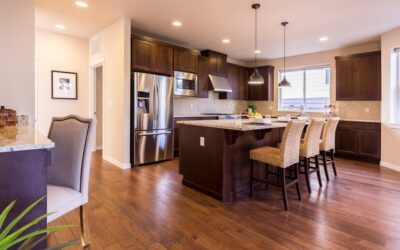
Real American walnut runs $9 to $14 per square foot before installation, which prices most homeowners out before the project even starts. Walnut LVP flooring captures the same deep chocolate tones, swirled grain, and chalky highlights for $2.49 to $5.99 per square foot — and waterproofs the floor in the bargain. Whether the substitute holds up to scrutiny depends on the print quality, embossing depth, and wear-layer thickness on the SKU you choose.
Why Walnut Is Worth Imitating
Walnut grain has personality that white oak and hickory cannot match. The heartwood ranges from dark coffee to purple-tinged plum, with cream-colored sapwood streaks that read as character. High-end LVP brands now capture this variation with 6 to 12 unique plank prints per SKU, breaking the repeat pattern that gives away cheap vinyl.
The other reason walnut translates well to LVP is the texture. Real walnut takes a soft satin finish in most modern installs. Embossed-in-register vinyl with a low-sheen wear layer matches that look almost perfectly under interior lighting.
Best Walnut LVP Brands and Prices
- COREtec Pro Plus Walnut: $4.49 per sq ft, 7mm thick, 20 mil wear layer
- Shaw Floorte Anvil Plus Walnut: $3.79 per sq ft, 6mm, 20 mil
- Mohawk RevWood Premier Walnut: $3.29 per sq ft, 12mm with attached pad
- LifeProof Walnut from Home Depot: $2.69 per sq ft, 6.5mm, 22 mil
- Karndean Korlok Select Walnut: $5.99 per sq ft, 6.5mm, 30 mil
- NuCore Performance Walnut from Floor and Decor: $3.29 per sq ft, 6.5mm, 20 mil
Wear Layer Matters Most
Wear-layer thickness is the single most important spec on a walnut LVP plank. Anything below 12 mil belongs in low-traffic guest rooms. For active households with kids and pets, demand 20 mil or higher. Premium 28 to 30 mil products from Karndean and Mannington shrug off dog claws and dropped pans without showing wear paths after five years.
Print depth comes second. Look for products that advertise embossed-in-register or EIR texture — the grain you see should align with the grooves you feel. SKUs that print a deep grain but emboss a generic woodgrain look obviously fake under angled lighting.
Pros of Walnut LVP
The waterproof core is the headline advantage. SPC and rigid-core constructions tolerate spills, pet accidents, and even small floods without swelling or delaminating. That makes walnut LVP a credible choice for kitchens, bathrooms, basements, and mudrooms where real walnut would warp inside a year.
Comfort underfoot is the second perk. A 6.5 to 7mm plank with an attached IXPE or cork pad feels softer than tile and quieter than laminate. Sound transmission ratings on premium SKUs hit IIC 70 or better, which keeps downstairs neighbors happy in condos and multi-story homes.
Honest Drawbacks
Walnut LVP cannot be refinished. Once the wear layer scratches through to the print, the damaged plank needs to be swapped. That is not catastrophic — floating click-lock systems make replacement straightforward — but it means lifespans cap around 15 to 25 years even with great care.
Off-gassing is a smaller concern with FloorScore-certified products. Look for the FloorScore or GreenGuard Gold label on every quote. Anything imported and unlabeled may exceed phthalate and VOC limits that California, New York, and Oregon enforce.
Cost Breakdown by Project Size
- Materials: $2.49 to $5.99 per sq ft for residential walnut LVP
- Underlayment if needed: $0.30 to $0.65 per sq ft
- Professional install: $2.50 to $4.50 per sq ft
- Tear-out of old flooring: $0.75 to $1.75 per sq ft
- Trim, transitions, and reducers: $35 to $75 per opening
A 600 sq ft open-concept living and kitchen install lands between $3,600 and $7,800 turnkey. DIY click-lock over an existing flat subfloor cuts that to $1,800 to $4,200, depending on the SKU you pick.
Installation Tips
Acclimate the boxes for 48 hours in the room at 65 to 85 degrees and 35 to 55% relative humidity. Check the subfloor with a long straightedge — anything more than 3/16 inch deviation over 10 feet needs leveling compound before you start laying planks.
Stagger end joints at least 8 inches between adjacent rows for a natural look and structural strength. Use a tapping block, never the rubber mallet directly, when locking joints. Leave a 1/4 to 3/8 inch expansion gap on every perimeter wall and around any fixed obstruction like cabinets or fireplaces.
Cleaning and Long-Term Care
Sweep or vacuum daily in high-traffic rooms using a hard-floor setting with no rotating brush. Damp mop weekly with Bona Hard-Surface Cleaner or a 1:40 dilution of pH-neutral floor soap. Avoid steam mops — heat and moisture under pressure can compromise the print layer over time and void most LVP warranties.
Place felt pads under all furniture legs and use chair mats under rolling office chairs. Walnut LVP shows scuffs more than lighter products because the dark print contrasts with any abrasion. A quarterly polish with Rejuvenate or Quick Shine LVP-safe refresher restores the satin finish in 20 minutes.
Walnut LVP vs Engineered Walnut Hardwood
The decision often comes down to lifestyle. Engineered walnut hardwood at $5.99 to $8.99 per sq ft delivers the irreplaceable feel of real wood and adds the most resale value of any flooring category. The trade-off is moisture vulnerability — even engineered walnut warps if standing water sits on the surface for hours, and the surface scratches more easily than vinyl. Walnut LVP at $3.49 to $5.99 wins for kitchens, basements, bathrooms, and any home with active dogs or small children. The decision is not about quality so much as where you are installing and how forgiving the floor needs to be over its lifetime.
How to Sample Before You Commit
Order sample boxes from at least three brands before placing the full order. Lay the samples in the actual room at different times of day to see how they read under morning, afternoon, and evening light. Walnut prints shift noticeably under LED versus incandescent lighting, and the floor that looked perfect in the showroom may read too cool or too warm at home. Most manufacturers ship full samples for $5 to $15 each — cheap insurance on a $4,000 to $8,000 flooring commitment.
Prefer to explore on your own?
See how new flooring looks in your actual room in seconds — free, no signup.
Try the free Floor Studio →