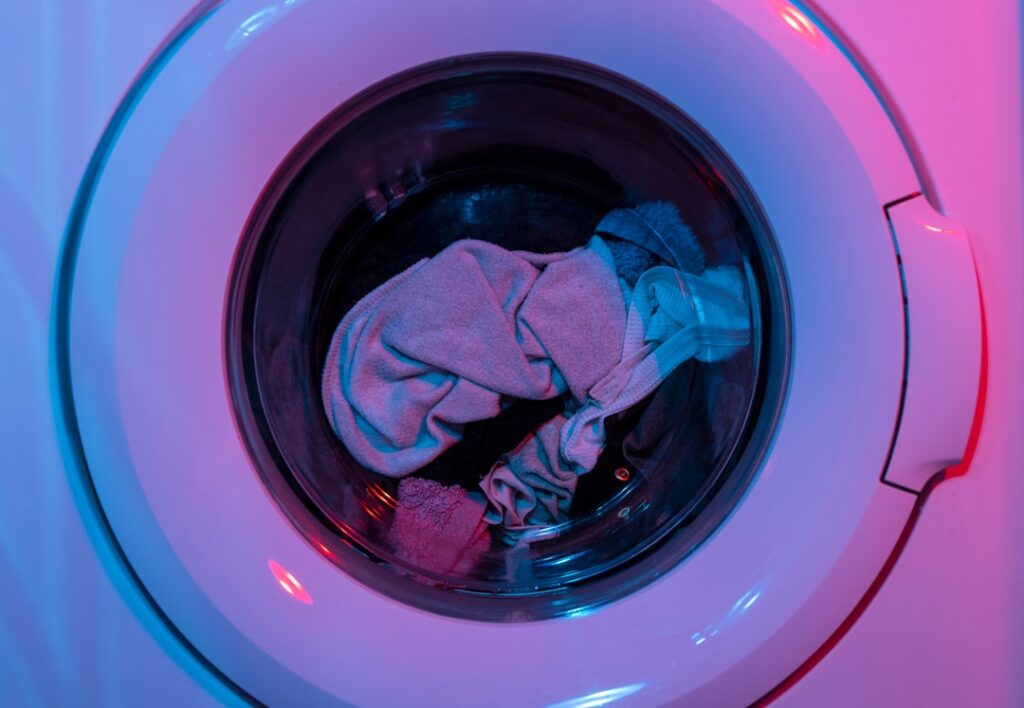
Opening the lid to find a tub full of gray, soapy water is one of the most common laundry-day frustrations, and a washer not draining water ranks among the top three appliance repair calls in the United States. The good news is that roughly 60 percent of drainage failures trace back to a clogged drain hose or a stuck pump filter, both of which you can often clear yourself in under an hour. Before you call a technician and pay the typical $100 to $250 service fee, it pays to understand how the drain system works and which fixes you can safely tackle at home.
- How a Washer Actually Drains
- Common Causes of a Washer Not Draining
- Step-by-Step Troubleshooting
- 1. Drain the Standing Water
- 2. Reset the Machine
- 3. Inspect the Drain Hose
- 4. Clean the Pump Filter
- 5. Check the Drain Pump
- 6. Test the Lid Switch or Door Lock
- When the Problem Is Your Home Plumbing
- Preventing Future Drain Problems
- When to Call a Professional
- Final Thoughts
How a Washer Actually Drains
Understanding the drain cycle helps you diagnose the problem faster. When the wash and rinse cycles end, an electric drain pump activates and pushes water out of the tub through a flexible drain hose. That hose loops up and empties into a standpipe, a utility sink, or a floor drain. A lid switch or door lock tells the control board that it is safe to spin, and the pump and spin motor usually work together to expel the last of the water.
If any link in that chain breaks, water stays behind. The pump may not receive power, the impeller may be jammed by a sock or coin, the hose may be kinked, or the standpipe in your wall may be clogged with lint and detergent residue. Knowing this sequence lets you test each component in a logical order rather than guessing.
Common Causes of a Washer Not Draining
Drainage problems almost always come down to a handful of culprits. Work through this list from easiest to hardest:
- Clogged drain hose: Lint, hair, and small garments collect at bends in the hose, slowly choking off flow.
- Blocked pump filter: Front-load machines have a coin trap or debris filter that catches loose objects. When it fills, water cannot pass.
- Jammed drain pump: A coin, button, or underwire bra can wedge into the impeller and stop it from spinning.
- Kinked or pinched hose: A hose crushed behind the machine restricts water flow to a trickle.
- Faulty lid switch or door lock: If the machine thinks the lid is open, it will refuse to spin or drain as a safety measure.
- Clogged home drain line: The standpipe behind the wall can back up, sending water right back into the tub.
- Worn drive belt: On older top-loaders, a broken belt prevents the pump from turning.
Step-by-Step Troubleshooting
Safety comes first. Unplug the washer or switch off its circuit breaker before reaching into any component, and keep towels and a shallow pan nearby because standing water will spill.
1. Drain the Standing Water
You cannot inspect anything while the tub is full. Lower the drain hose into a bucket placed below the water line and let gravity pull the water out, or bail it manually. A wet/dry shop vacuum speeds this up considerably.
2. Reset the Machine
A glitchy control board sometimes interrupts the drain cycle. Unplug the washer for one full minute, plug it back in, and run a quick spin and drain cycle. This simple reset resolves a surprising number of intermittent failures.
3. Inspect the Drain Hose
Pull the machine away from the wall and trace the corrugated hose from the back of the washer to the standpipe. Straighten any kinks. Disconnect the hose end, hold it over a bucket, and check for clogs by running a straightened wire coat hanger or a plumber’s snake through it. Flushing it with a strong stream from a garden hose clears trapped lint.
4. Clean the Pump Filter
On most front-loaders, a small access panel sits at the lower front of the cabinet. Behind it you will find a round cap, the coin trap. Place a towel and pan underneath, twist the cap counterclockwise, and let it drain. Remove coins, hair, lint, and the occasional sock, then rinse the filter and screw it back firmly to avoid leaks.
5. Check the Drain Pump
If the filter was clear, the pump itself may be jammed. Locate it by following the drain hose inside the cabinet. Inspect the impeller for foreign objects and spin it by hand to confirm it turns freely. A pump that hums but never moves water often has a seized or burned-out motor and needs replacement, typically a $40 to $150 part.
6. Test the Lid Switch or Door Lock
Press the lid switch manually and listen for a click. A multimeter set to continuity confirms whether the switch is functioning. A failed switch is an inexpensive fix, usually $10 to $30 for the part.
When the Problem Is Your Home Plumbing
If the washer drains fine on its own but backs up when connected to the standpipe, the clog is in your house, not the appliance. Lint, grease, and detergent scum build up inside the drain line over years of use. Try a drain snake first. If water backs up at the standpipe and bubbles in nearby fixtures, you may have a deeper sewer or vent issue that warrants a licensed plumber. At D and G Flooring, we frequently remind homeowners that ignored laundry leaks can warp subfloors and ruin finished flooring, so addressing slow drains early protects more than just your appliance.
Preventing Future Drain Problems
A few simple habits dramatically reduce repeat clogs:
- Check pockets for coins, tissues, and small items before every load.
- Use mesh laundry bags for delicates and items with underwire.
- Clean the pump filter every two to three months.
- Run a hot cleaning cycle with washing-machine cleaner monthly to dissolve detergent buildup.
- Avoid overloading, which forces extra lint and fabric into the drain system.
- Measure detergent carefully, since excess suds leave sticky residue in hoses.
When to Call a Professional
Call a technician if you have cleared the hose and filter but water still will not drain, if the pump motor is humming or silent, or if you smell burning during a cycle. Electrical faults in the control board and motor are best left to trained hands. Expect a diagnostic fee in the $80 to $150 range, with full repairs often running $150 to $400 depending on the part. If your machine is more than ten years old and the repair approaches half the cost of a new unit, replacement is usually the smarter financial choice.
Final Thoughts
A washer that will not drain feels like an emergency, but most cases come down to a trapped object or a tired hose that a patient homeowner can fix in an afternoon. Start by draining the tub, then methodically check the hose, filter, and pump before assuming the worst. Keep a record of what you cleaned and when, so recurring clogs reveal a pattern you can prevent. With routine maintenance and a little know-how, you can keep your laundry routine running smoothly and avoid costly water damage to the floors and walls around your machine.