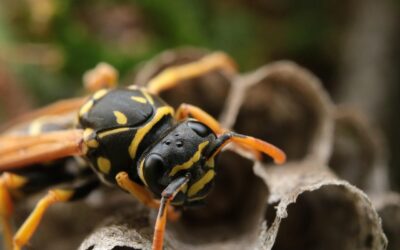
One paper wasp nest under a deck rail can ruin a summer of patio dinners. Effective wasp repellent outdoor strategies combine prevention (eliminating attractants and nesting sites), active deterrents (peppermint oil, decoy nests), and direct knockdown (Spectracide, Raid Wasp and Hornet spray) when nests appear. Pick the layered approach and most yards stay wasp-free without resorting to broad insecticides that harm beneficial pollinators.
Part of our Windows & Doors guide — explore the full guide →
- Identify What You're Dealing With
- Essential Oils That Actually Work
- Commercial Sprays for Active Nests
- Decoy Nests: Cheap and Effective
- Traps for High-Pressure Yards
- Yard Conditions That Attract Wasps
- Treating Underground Yellow Jacket Nests
- Personal Safety and Allergic Reactions
- Year-Round Prevention Plan
Identify What You’re Dealing With
Three common wasps in US yards: paper wasps (Polistes), yellow jackets (Vespula), and bald-faced hornets (technically a wasp). Paper wasps build umbrella-shaped open combs under eaves, deck rails, and shutter brackets. Yellow jackets nest underground or in wall voids and are far more aggressive. Bald-faced hornets build large papery basketball-sized aerial nests in trees.
Paper wasps are relatively docile and only sting if you touch the nest. Yellow jackets attack en masse if disturbed. Identification matters because the wrong tactic on a yellow jacket nest can lead to dozens of stings. If you cannot identify the wasp type or the nest is larger than a softball, hire a pest control professional. Orkin or Terminix typically charge $150 to $375 for nest removal.
Essential Oils That Actually Work
Peppermint oil is the most studied natural wasp repellent. A 2013 Journal of Pest Management Science study found peppermint oil at 2 to 5 percent concentration in water effectively deterred multiple wasp species from nesting sites. Mix 15 to 20 drops peppermint essential oil with 2 cups water and 1 teaspoon Dawn dish soap (acts as a surfactant) in a 32-ounce spray bottle. Spray on eaves, deck rails, doorframes, and other potential nest sites weekly from April through October.
Clove, eucalyptus, geranium, and lemongrass essential oils also show repellent action. A combination spray (5 drops each of peppermint, clove, and lemongrass per cup of water) outperforms single oils in most field tests.
Commercial Sprays for Active Nests
- Spectracide Wasp and Hornet Killer 3: 27-foot stream, knocks down on contact. About $5 to $7 per 18 oz can.
- Raid Wasp and Hornet Killer 33: Foam formula coats nests, prevents escape. About $7 to $10.
- Ortho Home Defense Hornet and Wasp Killer: Long residual, sprays up to 20 feet.
- Bonide Wasp and Hornet Aerosol: Pyrethrin-based, breaks down faster (lower environmental impact).
- EcoSMART Wasp and Hornet Killer: Plant-based, food-grade safe near outdoor kitchens.
Spray at dusk or dawn when wasps are dormant in the nest. Approach from upwind, hit the nest entrance directly, and step back at least 20 feet immediately. Wait 24 hours before removing the nest to confirm complete kill.
Decoy Nests: Cheap and Effective
Paper wasps and bald-faced hornets are territorial. They will not build a nest within 200 feet of an existing colony. Hanging a fake nest (Get Lost Wasp Nest, Beehive Decoy from Amazon, or even a crumpled brown paper bag tied with twine) tricks scouts into looking elsewhere. Hang at the start of spring (before April in most US zones) under eaves, porches, and garden shed roofs.
Replace storm-damaged decoys promptly. The effect lasts as long as the visual is intact. At $8 to $15 per decoy and zero chemicals, decoys are the highest ROI prevention tool available.
Traps for High-Pressure Yards
Yellow jacket traps catch foragers before they swarm picnic food. Best designs include the RESCUE WHY Trap (about $25) and Sterling Rescue Yellow Jacket Trap (about $15). Bait with the included attractant or use a homemade mix of 2 oz apple juice, 1 oz cider vinegar, and a banana peel sliced thin. Place 20 feet from outdoor seating, never closer, or you draw wasps toward your gathering area.
Trapping works best for yellow jackets, less for paper wasps and bald-faced hornets, which rarely enter food traps. Set traps in early spring (April) to catch overwintering queens. One queen captured in April prevents a colony of 500 to 5,000 wasps by August.
Yard Conditions That Attract Wasps
Reduce attractants and you cut wasp pressure by 60 to 80 percent before any spray:
- Keep outdoor garbage cans tightly sealed; use Toter or Suncast cans with locking lids
- Clean grills weekly during use; grease pans are wasp magnets
- Cover compost piles with at least 4 inches of brown material
- Fix outdoor faucet drips; wasps need water and gather at puddles
- Pick up fallen fruit (apples, pears, grapes) within 24 hours
- Cap unused PVC pipe ends and fence post tops where wasps nest
Treating Underground Yellow Jacket Nests
Underground yellow jacket nests are the most dangerous. Mark the entrance during the day, then treat at night when all foragers are inside. Wear long sleeves, pants, gloves, and a face shield. Apply Drione Dust or Tempo Dust into the entrance using a Crusader Duster, or pour a gallon of soapy water (1/4 cup Dawn per gallon hot water) into the hole.
For nests in retaining walls or under siding, do not block the only entrance with foam or wood. The wasps will chew through interior drywall to escape. Treat the nest, wait 48 hours, then seal.
Personal Safety and Allergic Reactions
Roughly 3 percent of adults have severe wasp sting allergies (anaphylaxis risk). If anyone in the household has known sting allergies, carry an EpiPen and never DIY treat wasp nests. Multiple stings can also overwhelm a non-allergic adult; about 30 to 50 stings can cause systemic reaction. Treat aerial nests larger than a baseball professionally regardless of allergies.
Year-Round Prevention Plan
April: Hang decoy nests, spray peppermint deterrent on eaves, set up early-season yellow jacket queen traps. June: Inspect weekly for early nests under decks, around shed roofs, and in fence corners. August: Maintain trap stations 20 feet from outdoor living areas. November: Remove old nests (wasps abandon them after frost) to prevent reuse next year. This combined approach makes wasp repellent outdoor strategy a once-a-month task rather than a panicked weekend emergency.