People often lump them together as “the two big things in the basement,” but the water heater and furnace do completely different jobs, and understanding the split saves you from misdiagnosing a problem or overspending on a replacement. One heats the water at your taps; the other heats the air in your rooms. They frequently share a gas line and, in older homes, a chimney, which is exactly why a failure in one can affect the other. This guide clarifies what each appliance does, how combi systems blur the line, and how to time replacement so you are not paying for two service calls when one visit would do.
Water Heater and Furnace: Two Jobs, One Utility Bill
Start with the basic division of labor. A furnace produces warm air. It burns gas or uses electric elements to heat air, then a blower pushes that air through your ductwork to registers in each room. Its performance is rated in BTUs and, for gas units, an AFUE efficiency percentage, where a modern high-efficiency furnace hits 90 to 98 percent AFUE.
A water heater produces hot water for showers, sinks, dishwashers, and laundry. A traditional tank model keeps 40 to 50 gallons hot around the clock, while a tankless unit heats water on demand as it flows through. The two appliances are separate systems with separate thermostats, separate failure modes, and separate lifespans. When you have no heat but plenty of hot water, look at the furnace. When the house is warm but the shower runs cold, look at the water heater. Confusing the two sends many homeowners chasing the wrong appliance.
Where They Overlap: Gas, Venting, and the Chimney
Despite doing different jobs, the two often share infrastructure, and that shared plumbing is where they interact. Both typically tap the same gas supply line, so a gas pressure problem or a closed main valve knocks out both at once. In many older homes they also share a common vent or chimney, drafting combustion gases out through the same flue.
This shared venting matters when you upgrade. Replace an old standard-efficiency furnace with a high-efficiency condensing model and it will vent sideways through PVC pipe instead of up the chimney. That leaves the water heater as the only appliance still using the masonry chimney, and a chimney sized for two appliances is now oversized for one. The result can be poor draft and condensation problems for the water heater, sometimes requiring a chimney liner. A good HVAC contractor flags this during a furnace upgrade; a careless one leaves you with an orphaned water heater and backdraft risk.
Combi Systems: When One Unit Does Both
A growing option merges the two functions. A combination, or combi, boiler heats water for both domestic use and for a hydronic heating system, so a single wall-mounted unit can supply your hot taps and your radiators or radiant floor. In homes with boiler-based heat rather than forced air, this eliminates the separate water heater entirely.
There are also integrated systems where a high-output tankless or a tank water heater feeds an air handler with a hydronic coil, heating the house with hot water. These setups shine in tight mechanical rooms and can be very efficient, but they concentrate two critical functions in one appliance, so a failure takes out both heat and hot water at once. For most conventional U.S. homes with ductwork, separate furnace and water heater units remain the norm because they are simpler to service and cheaper to replace individually.
Lifespans and Replacement Timing
Knowing how long each lasts helps you plan. Here is what to expect from well-maintained units.
- Gas furnace: 15 to 20 years, sometimes longer with regular service
- Tank water heater: 8 to 12 years, shorter with hard water and no anode maintenance
- Tankless water heater: 15 to 20 years with annual descaling
- Combi boiler: 12 to 20 years depending on water quality
Because a tank water heater often reaches the end of its life around the same time an aging furnace does, there is a real case for replacing both in one visit when they are both near end of life. You save on the trip charge and labor overlap, you can right-size the shared venting once, and you avoid the disruption of tearing the mechanical room apart twice within a couple of years. If only one is failing and the other has years left, replace only the failed unit, but ask the contractor to inspect how the change affects the survivor’s venting.
Signs Each Is Failing
Catching problems early prevents a cold-weather emergency. A furnace warns you with short cycling, a yellow instead of blue burner flame, rising gas bills, uneven heating, or a cracked heat exchanger that can leak carbon monoxide, which is a safety issue that warrants immediate professional attention and a working CO detector on every level.
A water heater signals trouble through rusty or discolored hot water, rumbling or popping from sediment, water pooling at the base, or a steady loss of hot water capacity. A leak from the tank body itself is terminal; a leak at a fitting or valve is repairable. When either appliance is over a decade old and starts requiring repeated repairs, sinking money into an aging unit rarely pays off compared to a new, more efficient replacement.
Getting the Most From Both
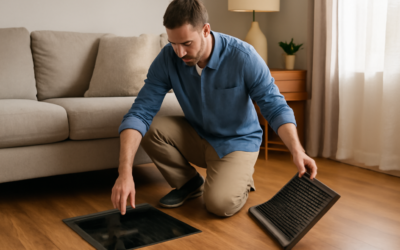
Simple maintenance stretches both appliances. For the furnace, change the air filter every one to three months, keep the return and supply registers unblocked, and have a technician inspect the heat exchanger and burners before each heating season. A dirty filter is the single most common cause of furnace problems, choking airflow and overheating the unit.
For the water heater, flush sediment from the tank annually, test the temperature-and-pressure relief valve, and replace the anode rod every three to five years, which alone can double a tank’s life. Set the water heater thermostat to 120 degrees Fahrenheit for a balance of safety, efficiency, and scald prevention. Treat the water heater and furnace as the separate systems they are, respect the ways they share gas and venting, and time replacements smartly, and you will keep both the air and the water in your home reliably warm for years.
Efficiency Upgrades and Rebates Worth Knowing
When replacement time comes, both appliances offer efficiency tiers that affect your bills for the next decade or two. On the furnace side, standard-efficiency models run around 80 percent AFUE, while condensing furnaces reach 90 to 98 percent by extracting extra heat from the exhaust before it leaves. The high-efficiency unit costs more upfront and vents through PVC rather than the chimney, but in a cold climate the annual fuel savings often justify the premium. In a mild climate with a short heating season, the payback stretches out, and a mid-efficiency unit may make more sense.
On the water heater side, a heat-pump water heater is the efficiency standout, using two to three times less energy than a standard electric tank by moving heat rather than generating it with resistance elements. Tankless gas units also cut standby losses because they heat only when you draw water. Both cost more to buy than a basic tank but can pay back over their longer lifespans, especially for households with high hot-water use.
Do not overlook incentives. Federal tax credits and many utility rebate programs reward high-efficiency furnaces, heat-pump water heaters, and heat-pump HVAC systems, sometimes covering several hundred to a couple thousand dollars of the cost. Check what your utility and current federal programs offer before you buy, because the rebate can change which efficiency tier makes financial sense. Sizing matters too; an oversized furnace short-cycles and wastes fuel, so have a contractor run a proper load calculation rather than simply matching the old unit’s capacity.
Safety devices tie both appliances together and deserve a final mention. Because a furnace and a gas water heater both burn fuel, every home with either one needs working carbon monoxide detectors, at minimum on each level and near sleeping areas. CO is odorless, and a cracked furnace heat exchanger or a backdrafting water heater can release it silently, which is why the venting interactions discussed earlier are more than an efficiency footnote. Test the detectors twice a year when you change the clocks, replace them at the manufacturer’s expiration date, and treat any alarm as a reason to ventilate and call a professional immediately. Pair that vigilance with the routine filter changes, tank flushing, and annual service, and your water heater and furnace will run efficiently and safely for their full expected lifespans.