Few fixtures make a bathroom feel more modern and spa-like than a wide, open cascade of water. A waterfall bathroom faucet trades the narrow stream of a conventional faucet for a broad, flat sheet that pours like a small waterfall, delivering a striking look and a soothing feel. Before you fall for the aesthetics, though, it pays to understand how these faucets work, where they shine, where they frustrate, and what installation involves. This guide covers all of it.
Part of our Bathroom Remodeling & Flooring guide — explore the full guide →
- What Makes a Faucet a Waterfall
- Mounting Styles to Choose From
- The Pros: Why People Love Them
- The Cons: What to Know Before Buying
- Finishes and Materials
- What a Waterfall Faucet Costs
- Installing a Deck-Mount Waterfall Faucet
- Reducing Splash and Maintaining the Faucet
- Common Mistakes to Avoid
- Pairing a Waterfall Faucet With the Right Sink
- Frequently Asked Questions
What Makes a Faucet a Waterfall
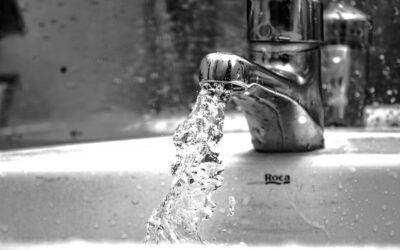
A traditional faucet mixes water inside the body and pushes it through a small aerated nozzle. A waterfall faucet instead has a wide, open spout, often with a flat trough or an angled edge, that lets water spread out and fall in a smooth, unaerated sheet. Many feature a clear glass or open channel so you can see the water flow. The result is more dramatic and visually calming, which is exactly why they anchor so many modern and luxury bathroom designs.
Because the water is not aerated, the stream looks fuller and lands with a gentle cascade rather than a fine spray. That open design is the source of both the appeal and the trade-offs discussed below.
Mounting Styles to Choose From
Waterfall faucets come in several configurations; match the style to your sink and counter:
- Single-hole deck mount: the most common, with one control lever and a wide spout, installed in a single drilled hole.
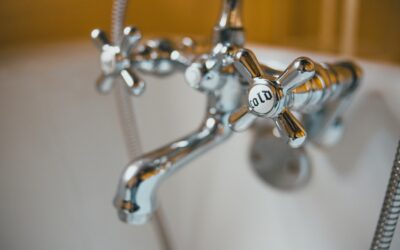
- Widespread: separate hot and cold handles and a spout across three holes, for a more traditional footprint with a modern spout.
- Wall-mounted: the spout and handles mount on the wall above the sink, freeing the counter and pairing beautifully with vessel sinks.
- Vessel (tall) faucet: a taller spout designed to clear the raised rim of a bowl sink sitting on top of the counter.
Check your sink’s hole count and spacing, and for a vessel setup confirm the spout height clears the bowl rim comfortably. Wall-mounted units require the valve and rough plumbing to be set in the wall during construction or a remodel, so they are far easier to plan than to retrofit.
The Pros: Why People Love Them
- Striking looks: the wide cascade is a genuine design centerpiece.
- Spa-like feel: the smooth sheet of water is calming and pleasant on the hands.
- Easy rinsing: the wide flow rinses hands and the basin quickly.
- Modern coordination: pairs naturally with vessel sinks, floating vanities, and contemporary tile.
The Cons: What to Know Before Buying
Waterfall faucets are not all upside, and knowing the trade-offs prevents buyer’s remorse:
- Splashing: the wide, low-aeration flow can splash more, especially in a shallow or small sink. Choose a deeper basin and a spout height matched to it.
- Higher water use: some models flow more than standard aerated faucets. Look for a WaterSense label and a flow rate around 1.2 gallons per minute to conserve.
- Harder to fill tall containers: the open, often lower spout and wide flow are not ideal for filling a tall cup or bottle.
- Cleaning: the open trough can collect mineral scale and needs regular wiping, particularly with hard water.
- Cost: stylish designs and glass elements push prices above basic faucets.
For a busy family bathroom, weigh the splashing carefully. In a powder room or spa-style ensuite where the look matters most, the trade-offs are easy to accept.
Finishes and Materials
Waterfall faucets come in chrome, brushed nickel, matte black, brushed gold, and oil-rubbed bronze, often with a glass or acrylic spout accent that can even be LED-lit to glow as water flows. Chrome is easiest to clean and most affordable; brushed finishes hide water spots better; matte black and gold are on-trend but show hard-water spotting more. Prioritize a solid brass body with a PVD finish for corrosion resistance and lasting color. Ceramic disc valves inside give the smoothest, most drip-resistant operation.
What a Waterfall Faucet Costs
- Budget models: $40 to $90, basic finishes, fine for a guest bath.
- Mid-range brand-name: $100 to $250, better valves, glass accents, solid warranties.
- Premium and designer: $300 to $700-plus, wall-mounted or LED units, solid brass construction.
Professional installation adds $150 to $350 for a deck-mount swap. Wall-mounted installations cost more because they involve opening the wall to set the valve and supply lines.
Installing a Deck-Mount Waterfall Faucet
Swapping a standard deck-mount faucet for a waterfall model is a reasonable DIY job:
- Turn off the hot and cold shutoff valves under the sink and open the old faucet to relieve pressure.
- Disconnect the supply lines with a basin wrench and remove the old faucet and drain linkage.
- Clean the deck, set the new gasket, and drop the waterfall faucet through the hole.
- Tighten the mounting hardware from below and connect fresh braided stainless supply lines.
- Reconnect or install the pop-up drain assembly, sealing with plumber’s putty or silicone.
- Turn the water on slowly and check every joint for leaks before use.
Budget one to three hours. A basin wrench is the tool that makes reaching the mounting nuts behind the sink far easier. Wall-mounted models are best left to a plumber unless the rough valve is already in place.
Reducing Splash and Maintaining the Faucet
To tame splashing, pair the faucet with a deeper basin, keep the flow at a moderate pressure, and adjust the aim so water lands near the center of the sink rather than the front rim. Some models include a flow restrictor or a partially aerated option that reduces splash while keeping the look. For maintenance, wipe the open spout after use in hard-water areas, and periodically soak any removable spout screen in white vinegar to dissolve mineral scale that can distort the smooth sheet of water.
Common Mistakes to Avoid
- Pairing a wide waterfall spout with a shallow sink, guaranteeing splashes.
- Choosing a vessel-height faucet without checking it clears the bowl rim.
- Overlooking flow rate and picking a water-hungry model.
- Ignoring hard water, then fighting scale on the open spout.
- Attempting a wall-mount retrofit without rough plumbing in place.
Pairing a Waterfall Faucet With the Right Sink
The faucet and sink must be chosen as a pair, because the wrong combination is the number-one source of disappointment. A wide, low waterfall spout throws a broad sheet of water, so it wants a deeper basin to contain the splash. Vessel sinks that sit on top of the counter demand a taller vessel-height faucet or a wall-mounted spout that clears the bowl rim, and an undermount or drop-in sink pairs with a standard deck-mount waterfall model. Consider the drop distance too: the higher the spout above the water, the more the cascade can splash, so a moderate spout height over a deep bowl gives the best balance of drama and dryness. Test the aim so water lands near the center of the basin rather than at the front lip where it splashes onto the counter and floor.
Coordinate finishes across the room while you are at it. Matching the faucet to the drain, the towel bars, and the light fixtures pulls the whole bathroom together and makes a bolder finish like matte black or brushed gold read as a deliberate design choice rather than a random splurge.
Frequently Asked Questions
Buyers weighing a waterfall bathroom faucet frequently ask the following.
Do waterfall faucets splash a lot?
They can, especially in a shallow sink, because the wide flow is less aerated. Pair the faucet with a deeper basin, keep the pressure moderate, and aim the stream at the center of the bowl to minimize splashing.
Do they use more water?
Some models flow more than standard aerated faucets. Choose one with a WaterSense label and a flow rate around 1.2 gallons per minute to conserve water without losing the cascading look.
Can I install a waterfall faucet myself?
A deck-mount replacement is a reasonable one-to-three-hour DIY job with a basin wrench. Wall-mounted models are best left to a plumber unless the rough valve and supply lines are already set in the wall.
How do I keep the open spout clean?
Wipe the trough after use in hard-water areas and periodically soak any removable screen in white vinegar to dissolve mineral scale that would otherwise distort the smooth sheet of water.
A waterfall bathroom faucet delivers a spa-worthy focal point that transforms the feel of a bathroom. Match it to a deep enough sink, pick a solid-brass body with a WaterSense flow rate and a durable finish, and keep it wiped free of scale, and you will enjoy that soothing cascade every day without the drawbacks catching you off guard.