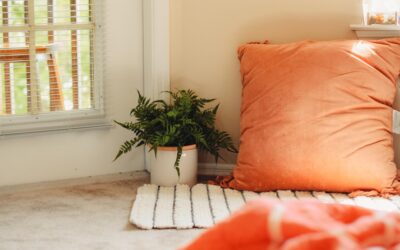
Most patio pillows that turn soggy and mildewed after one summer were never built to handle rain in the first place. Shoppers looking for waterproof outdoor pillows usually find that the label promises more than the pillow can deliver, because very few outdoor pillows are fully sealed against water. What you actually want is a pillow with a water-repellent, fade-resistant cover wrapped around a fill that drains fast and dries quickly when a storm soaks it anyway.
Part of our Roofing guide — explore the full guide →
The good choice comes down to three things: the fabric on the outside, the fill on the inside, and how you size and care for the pillow once it lives on your porch. Get those right and a set of patio throw pillows can last four to six seasons instead of one. Get them wrong and you end up with flat, spotted cushions that smell like a basement by August.
- What Waterproof Outdoor Pillows Really Are
- Cover Fabrics That Shed Rain
- Fill Types and How They Handle Water
- Sizing Lumbar, Throw and Bolster Pillows for Patio Seating
- How to Choose Outdoor Pillows for Your Space
- Drying Wet Pillows the Right Way
- Cleaning and Seasonal Storage
- Troubleshooting Common Problems
- General Cost Ranges
- Frequently Asked Questions
We cover what separates water-resistant from waterproof, which fills handle rain, how to pick lumbar and throw sizes for real patio seating, and a simple drying and storage routine that keeps your outdoor patio pillows fresh.
What Waterproof Outdoor Pillows Really Are
Waterproof outdoor pillows fall into two groups. The first uses a coated or laminated fabric, usually polyester with a polyurethane or vinyl backing, that stops water from passing through at all. These keep the fill dry during a shower, but they trap moisture that sneaks in through seams and zippers, and they can feel slick or crinkly against your back.
The second group, which covers most quality outdoor pillows for patio furniture, uses a water-repellent woven fabric over a quick-drying fill. Rain beads and rolls off for a while, and when water finally gets through, it drains out and the pillow dries within hours on a sunny day. For most homeowners this second type performs better over time because nothing stays wet inside long enough to grow mildew.
A useful rule: think of “waterproof” as a cover that sheds rain and a core that forgives it. Very few outdoor pillows survive being left in standing water, and none should be stored damp.
Cover Fabrics That Shed Rain
The cover does most of the work. Here are the common outdoor pillow fabrics and how they behave in wet weather:
- Solution-dyed acrylic: The color is added to the fiber before it is spun, so it resists fading for years in full sun. It has a soft, canvas-like hand, resists mildew, and usually carries a water-repellent finish. It is the most common fabric on premium outdoor throw pillows and accent pillows.
- Solution-dyed olefin (polypropylene): Naturally water-resistant and stain-resistant, dries very fast and costs less than acrylic. It can feel a little stiffer and may not tolerate high heat from a dryer.
- Spun or printed polyester: The budget choice found on many indoor outdoor pillows. Prints look bright at first, but printed polyester fades faster in direct sun, often within one or two seasons in southern climates.
- Coated polyester or vinyl-backed fabric: The closest to fully waterproof. Good for uncovered porch swing pillows that sit through daily summer storms, but it breathes poorly and can feel warm.
Look for tags that mention “solution-dyed,” “UV-resistant,” and “water-repellent.” A fabric weight around 8 to 10 ounces per square yard holds its shape well. Some premium performance fabrics also offer a rain-resistant version with a special backing that blocks water while still letting air pass through, which is a nice middle ground for covered and uncovered porches alike.
Fill Types and How They Handle Water
Fill is where cheap pillows fail. Standard polyester fiberfill packs tightly, wicks water, and stays damp in the middle for days. Better outdoor fills include:
- Quick-dry polyester cluster fill: Loose, siliconized fiber clusters that let water drain and air circulate. This is the standard in good patio chair pillows.
- Reticulated or open-cell “dry fast” foam: A very open foam that water runs straight through. It is common in seat cushions and some bolster and lumbar shapes where a firmer feel is welcome.
- Polyester fill wrapped in a water-resistant liner: A thin inner case adds a second layer of protection and keeps fill clean when you wash the outer cover.
Avoid feather or down inserts outdoors. Natural fill absorbs water, clumps, and develops odor quickly. If you love the look of a plush insert, save it for the covered, screened porch and swap to synthetic inserts for exposed seating.
Sizing Lumbar, Throw and Bolster Pillows for Patio Seating
Size matters more outside than inside because deep outdoor seats and sectional frames change how a pillow sits. Use these general guides:
Throw pillows
Square outdoor throw pillows in 18 or 20 inches fit most dining chairs, loveseats and outdoor couch cushions. Large outdoor pillows at 22 to 24 inches work on deep sectionals with 24 to 30 inch seat depth, where a smaller pillow disappears into the corner.
Lumbar pillows
Outdoor lumbar pillows usually measure 12 by 20 inches or 13 by 24 inches. They sit in the small of the back on club chairs and porch rockers, and they layer nicely in front of square pillows on a sofa. A long lumbar around 14 by 36 inches spans a loveseat or the width of a porch swing.
Bolsters
An outdoor bolster pillow, typically 6 to 8 inches across and 18 to 22 inches long, works on the arms of a daybed or chaise. Bolsters with foam cores hold their round shape better after rain than fiber-filled ones.
For a sofa, a common layout is two 20-inch squares at the ends and one lumbar in the center. For patio dining chairs, one 16 or 18-inch pillow per chair is plenty. Always measure the seat depth before buying, since too many pillows make deep seating feel shallow.
How to Choose Outdoor Pillows for Your Space
Start by being honest about exposure. Pillows on a fully covered porch deal with humidity and blown-in rain. Pillows on an open deck deal with direct sun, full storms and bird droppings. Use this quick decision guide:
- Fully covered porch: Solution-dyed acrylic or olefin covers with cluster fill. Outdoor porch pillows here can stay out most of the season.
- Partly covered patio: Solution-dyed acrylic with a removable cover, quick-dry fill, and a plan to bring them in during heavy storms.
- Open deck or poolside: Coated or rain-resistant fabric, open-cell foam or cluster fill, and a storage box nearby.
- Porch swing or hammock: Choose ties or a non-slip backing so pillows stay put, plus a zippered cover for easy washing.
Check for removable covers with a hidden zipper, welted or corded edges (they hold shape better), and fill that is sealed in its own liner. Outdoor pillow cases sold separately let you refresh colors each spring without buying new inserts, which saves money over the life of your furniture.
Drying Wet Pillows the Right Way
Even the best waterproof outdoor pillows get soaked in a long storm. How you dry them decides whether they last.
- Stand pillows on their edge after the rain stops so water drains from the lowest corner instead of pooling in the middle.
- Press, don’t wring. Push down firmly with flat hands to force water out through the seams.
- Unzip the cover if it is removable and pull the insert partway out to let air in.
- Set them in sun and breeze, turning every hour or two. Cluster fill typically dries in 2 to 6 hours in warm weather.
- Bring them in overnight if they are still damp. Evening dew will undo an afternoon of drying.
- Check the center before storing. Squeeze the middle; if it feels cool or damp, give it more time.
Do not put outdoor covers in a hot dryer unless the care tag allows it. High heat can shrink acrylic and melt olefin fibers. A no-heat or low tumble for inserts is usually fine if the label permits.
Cleaning and Seasonal Storage
Brush off dirt and pollen weekly with a soft brush, since grime holds moisture against the fabric and feeds mildew. For a deeper clean, mix a mild solution of dish soap and lukewarm water, scrub gently with a soft brush, rinse thoroughly with a hose, and air dry completely.
For mildew spots on solution-dyed acrylic, many fabric makers allow a diluted bleach solution, commonly about 1 cup of bleach and 1/4 cup of mild soap per gallon of water. Test on a hidden seam first, work in a ventilated area, wear gloves and eye protection, and never mix bleach with ammonia or other cleaners. Printed polyester and some olefin prints do not tolerate bleach, so read the tag.
At the end of the season, clean and fully dry every pillow, then store them in a breathable bag or a ventilated deck box. Sealed plastic bins trap any leftover moisture and can grow mildew over winter. A dry garage shelf or closet works better than a damp shed. Some water-repellent finishes wear off after a season or two; a fabric guard spray made for outdoor textiles restores beading when water stops rolling off.
Troubleshooting Common Problems
- Musty smell after rain: The fill stayed wet too long. Remove the insert, wash it if the label allows, and dry fully in sun. Replace fiber inserts that keep smelling.
- Fading on one side: Rotate and flip pillows weekly, and choose solution-dyed fabric next time.
- Water no longer beads: Clean the cover, let it dry, and reapply an outdoor fabric protector.
- Flat, lumpy pillows: Fluff by hand after drying. If clumps persist, the fill has broken down and a new insert is cheaper than a new pillow.
- Pillows blowing off furniture: Add ties or pick heavier inserts, and store them during windy weather.
General Cost Ranges
Budget printed polyester outdoor throw pillows often run in the low double digits each. Mid-range pillows with olefin or acrylic covers and quick-dry fill typically fall in the moderate range per pillow, and premium solution-dyed acrylic pillows, including large and lumbar sizes, cost more but last several seasons longer. Replacement covers usually cost less than a full pillow, and custom-sized cushions or bolsters for built-in benches run higher. For most patios, mid-range solution-dyed pillows deliver the best value over time.
Frequently Asked Questions
Can outdoor pillows be left out in the rain?
Quality outdoor pillows with water-repellent covers and quick-dry fill can handle occasional rain, but they last longer if you bring them in during heavy storms and always dry them fully before storing.
Are indoor outdoor pillows fully waterproof?
Most are water-resistant rather than waterproof. The cover sheds light rain, but water can still reach the fill through seams and zippers during a long downpour.
What size outdoor pillows should I buy for a patio sofa?
Two 18 or 20-inch square pillows at the ends and one lumbar pillow around 12 by 20 inches in the center suit most patio sofas. Deep sectionals look better with 22 to 24-inch squares.
How long do outdoor throw pillows last?
Budget printed pillows may fade in one or two seasons. Solution-dyed acrylic pillows with good fill often last four to six seasons with regular cleaning and dry storage.
How do I get mildew out of outdoor pillows?
Scrub with mild soap and water first. For stubborn spots on bleach-safe acrylic, use a diluted bleach solution per the fabric care tag, rinse well, and dry completely in the sun.