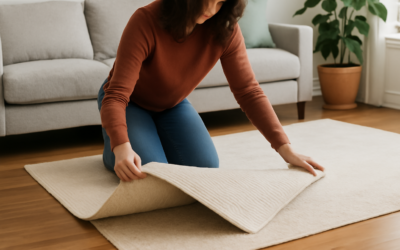
Most people buy a rug pad for grip and cushioning and never think about what happens when a glass of red wine, a leaking potted plant, or a pet accident soaks through. That liquid passes right through a standard pad and into the floor, where it can stain hardwood, swell laminate, or breed mildew under the rug. A waterproof rug pad adds a barrier layer that stops moisture before it reaches the floor, which makes it one of the smartest upgrades for homes with kids, pets, or rugs in spill-prone rooms.
Part of our Roofing guide — explore the full guide →
What a Waterproof Rug Pad Actually Does
A good rug pad already does three jobs: it grips the floor so the rug does not slide, it cushions every step, and it lifts the rug slightly so air can circulate and the rug wears evenly. A waterproof version adds a fourth: a moisture barrier, usually a thin layer of polyurethane or a sealed membrane, that prevents liquid from passing through to the floor below.
That barrier matters most on surfaces that water damages. Hardwood can stain and cup, laminate and engineered wood can swell at the seams, and trapped moisture under any rug invites mold and odor. A waterproof pad buys you time to clean up a spill before it does permanent harm.
Who Benefits Most From One
A waterproof rug pad earns its keep in specific situations more than others.
- Homes with pets: Accidents, water-bowl splashes, and muddy paws all threaten the floor under a rug.
- Households with young kids: Spilled drinks and dropped food are constant, especially under dining tables.
- Dining rooms and kitchens: High-spill zones where a barrier protects the floor finish.
- Entryways and mudrooms: Tracked-in rain, snowmelt, and slush.
- Rooms with potted plants: Slow leaks and overflow from watering go unnoticed until the damage is done.
- Renters protecting a deposit: A barrier helps avoid charges for stained or warped flooring.
How Waterproof Pads Are Constructed
Not every pad marketed as waterproof works the same way, so it helps to understand the construction. Many waterproof pads layer a cushioning felt or foam over a non-slip rubber or polyurethane backing, then add a sealed moisture-resistant membrane between or beneath those layers. The membrane is what blocks liquid, while the felt provides comfort and the rubber provides grip.
Some lower-cost options are simply solid PVC or vinyl sheets that are naturally impermeable. These block water well but offer little cushioning and can feel hard underfoot. The most comfortable waterproof pads combine a plush top layer with a fully sealed barrier, giving you protection without sacrificing the soft step a good pad should provide.
Waterproof vs. Water-Resistant
This distinction trips up a lot of shoppers, and the difference is real. A water-resistant pad slows moisture and handles minor splashes but will eventually let liquid through if a spill sits long enough. A truly waterproof pad has a continuous sealed barrier that blocks liquid entirely, holding it on top until you can clean it up.
For a pet that has accidents or a dining room prone to full-glass spills, look specifically for waterproof, not water-resistant. Check that the barrier is described as continuous or sealed across the full pad rather than just a treated surface. The price difference is usually small, and the extra protection is the whole point of buying one.
Choosing the Right Pad for Your Floor
The right pad also depends on the floor underneath, because the wrong backing can damage certain finishes. A few guidelines:
- Hardwood and laminate: Use a pad with a natural rubber or felt-and-rubber backing labeled safe for hard floors. Avoid cheap adhesive-backed or plasticized PVC pads, which can discolor or react with the floor finish over time.
- Tile and concrete: Most non-slip waterproof pads work well; grip and cushioning matter more here.
- Over carpet: A firmer, low-profile waterproof pad keeps a rug from creeping and protects the carpet beneath from spills.
- Thickness: A quarter-inch felt-and-rubber pad balances cushioning and a low profile under doors; thicker pads add comfort but raise the rug height.
Cut the pad about an inch smaller than the rug on all sides so it stays hidden and the rug edges lie flat to the floor.
Installation and Care
Setting up a waterproof rug pad is simple. Vacuum and dry the floor first so no grit gets trapped between the pad and the finish, then lay the pad with the grippier or barrier side down according to the manufacturer’s direction, and center the rug on top. Smooth out any wrinkles so the rug lies flat.
When a spill happens, the liquid stays on top of the rug rather than soaking into the floor, so blot the rug promptly and lift it to check the pad. Most waterproof pads can be wiped clean or rinsed and air-dried. Periodically lift the rug and pad to let everything air out, especially in humid climates, which prevents any odor from developing even though the barrier is doing its job.
What It Costs and Whether It’s Worth It
Waterproof rug pads are inexpensive relative to the floors they protect. Pricing runs roughly $30 to $120 depending on size, thickness, and construction, with custom-cut and premium felt-and-rubber barrier pads at the higher end. A pad for a standard 8×10 rug typically lands in the $50 to $90 range.
Set against the cost of refinishing a stained hardwood floor or replacing swollen laminate, that is a small price for real peace of mind. For anyone with pets, kids, or a rug in a high-spill room, a waterproof rug pad is one of the easiest and most cost-effective ways to protect both the floor and the rug for years to come.
Common Questions About Waterproof Pads
A few questions come up again and again. Will a waterproof pad make the floor sweat or trap moisture underneath? On a properly finished hardwood or sealed floor, no, because the barrier sits between the rug and the floor and keeps liquid above it rather than sealing dampness in; the concern only arises over unsealed concrete in very humid basements, where periodic airing out solves it. Can you use a waterproof pad with any rug? Yes, from thin flatweaves to thick wool pile, though match the pad thickness to the rug so it does not feel lumpy.
Does a waterproof pad replace prompt cleanup? Not quite, since it buys you time but a spill left pooling on the rug for hours can still soak the rug itself even if the floor stays dry, so blot quickly regardless. And will it work on stairs or runners? Absolutely, and it is especially valuable there, where spills and pet accidents on a runner would otherwise reach the treads below. Knowing these answers up front helps you set realistic expectations and get the full protective benefit from the pad.