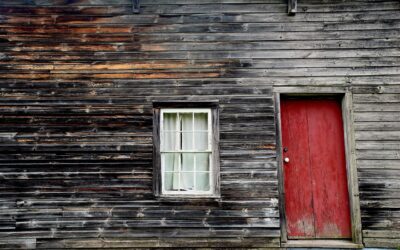
Barn doors moved indoors years ago, but their original home was outside, and putting one back outdoors demands more than the lightweight interior version can handle. A true weatherproof exterior sliding barn door has to shrug off driving rain, resist warping in the sun, survive wind gusts that catch it like a sail, and keep the elements from creeping around its edges. Whether you want one closing off a covered patio, screening a pool equipment nook, or serving as a rustic entry to a shed or garage, the difference between success and a warped, weathered failure is in the material choice, the sealing, and the hardware rated for outdoor life.
Part of our Roofing guide — explore the full guide →
- Why Exterior Barn Doors Are Different
- Choosing Weather-Resistant Materials
- Sealing and Finishing
- Weatherproof Hardware
- Managing Gaps, Wind, and Water
- Installation Considerations
- Maintenance for the Long Haul
- Best Uses for an Exterior Barn Door
- Insulation and Privacy Considerations
- Choosing a Barn Door Weatherstrip for Every Edge
- Frequently Asked Questions
Why Exterior Barn Doors Are Different
An interior barn door lives in a climate-controlled room where humidity and temperature stay stable. Outside, the same door faces cycles of wet and dry, hot and cold, that make wood swell, shrink, and eventually crack. Sun degrades finishes and fades color. Wind pushes and pulls at a door that hangs from a single top track, and rain finds every unsealed edge and gap.
Because of that, an exterior barn door must be built with weather-stable materials, sealed on all six sides, and hung on corrosion-resistant hardware. It also needs to address the inherent gaps of a sliding door, since a door that hangs slightly off the wall does not seal like a hinged, weatherstripped entry door.
Choosing Weather-Resistant Materials
The door slab itself is the foundation of weatherproofing, and some materials handle the outdoors far better than others.
- Cedar and redwood: Naturally rot- and insect-resistant, dimensionally stable, and beautiful when sealed. Excellent choices for a wood look outdoors.
- Teak and other tropical hardwoods: Extremely durable and water-resistant, though costly.
- Marine-grade plywood or exterior MDF: Built for moisture exposure when properly sealed and edge-banded.
- Composite and PVC: Fully waterproof, no warping, and low maintenance, ideal in harsh climates though less traditional in look.
- Metal-clad or aluminum-frame doors: Modern, durable, and impervious to rot.
For a wood aesthetic that survives, cedar sealed thoroughly is the sweet spot. In coastal or extreme climates, a composite or PVC door removes the warping risk entirely.
Sealing and Finishing
Even naturally durable wood needs a protective finish, and the cardinal rule is to seal all six sides, both faces, all four edges, before installation. Water enters through unsealed end grain and edges, so a door finished only on the visible faces will still absorb moisture and warp from within.
Use an exterior-grade penetrating oil, marine spar varnish, or a quality exterior stain with UV inhibitors. Marine spar varnish flexes with the wood’s seasonal movement and resists cracking better than a rigid interior polyurethane. Plan to reapply the finish every one to three years depending on sun exposure, since the UV protection wears down over time. A door that gets full southern sun needs more frequent refinishing than one under a covered porch.
Weatherproof Hardware
Standard interior barn door hardware rusts quickly outdoors. Specify corrosion-resistant components throughout.
- Stainless steel or powder-coated track and rollers: Resist rust and hold up to weather.
- Sealed bearing rollers: Keep grit and water out of the moving parts so the door keeps gliding.
- A weather-rated bottom guide: Wall- or floor-mounted stainless hardware that keeps the door tracking without corroding.
- Stainless fasteners: Prevent the rust streaks that plain steel screws bleed onto wood and siding.
Mount the top track into solid backing, a header, blocking, or a mounting board lagged into studs, because outdoor doors are often heavier and take more abuse from wind than interior ones.
Managing Gaps, Wind, and Water
The biggest limitation of any sliding door is sealing, since the door hangs off the wall rather than pressing into a weatherstripped frame. To close the gaps, mount the door to overlap the opening generously on all sides, ideally 2 to 3 inches beyond the rough opening top and sides, so wind-driven rain has farther to travel to get behind it.
Add a brush-style weatherstrip or bristle sweep along the bottom edge to block drafts and blowing debris while still allowing the door to slide. For wind, an exterior door benefits from a sturdier bottom guide and, in exposed locations, a latch or lock that pulls the door snug against the wall so gusts cannot rattle or lift it. Position the door under an overhang or awning where possible, since the less direct rain it sees, the longer any finish lasts.
Installation Considerations
Installation follows the same top-track principle as an interior barn door, with extra attention to structure and weather. Confirm the wall or header can carry the door’s weight plus wind load, adding a solid mounting board if the framing is uncertain. Set the track with a slight standoff so the door clears any exterior trim or siding profile, and make sure the door overlaps the opening enough to shed water.
Flash and seal any penetrations where you screw the mounting board or track into the wall, so those fastener holes do not become leak paths into the wall assembly. Caulk around the mounting board with a quality exterior sealant. On the floor or threshold, choose a bottom guide that does not trap water against the door or the deck.
Maintenance for the Long Haul
An exterior barn door rewards a little seasonal attention. Inspect the finish each spring and fall, touching up any spots where water beads have stopped forming, and plan a full refinish on the schedule your climate demands. Wipe down the track and rollers to clear grit, and apply a dry lubricant to keep the slide smooth without attracting dust. Check the fasteners and the sealed penetrations for any signs of loosening or water intrusion.
A weatherproof exterior sliding barn door is entirely achievable, but it is a build where shortcuts show up fast. Start with a weather-stable material, seal all six sides, hang it on stainless or powder-coated hardware, and design the overlap and sweeps to fend off wind and rain. Give it that foundation and periodic refinishing, and your outdoor barn door will keep sliding smoothly and looking sharp through years of weather that would destroy an interior door dragged outside.
Best Uses for an Exterior Barn Door
Exterior sliding barn doors are versatile, but some applications suit them better than others. They excel as coverings for openings that do not need an airtight seal: screening a covered patio or outdoor kitchen, closing off a carport bay, hiding pool equipment or trash bins, or serving as a rustic entrance to a shed, barn, or workshop. In these roles, their space-saving slide, since they need no swing clearance, is a genuine advantage over a hinged door.
Where an exterior barn door struggles is as a primary weather-sealed entry to a conditioned home. Because it hangs off the wall rather than sealing into a weatherstripped frame, it cannot match an insulated entry door for keeping out drafts, driving rain, and energy loss. If you love the look for a main entrance, consider a hinged, weatherstripped door with barn-door styling, or place the sliding door over a covered, protected opening where its sealing limitations matter less.
Insulation and Privacy Considerations
If your exterior barn door covers a space you want to keep warmer, cooler, or private, plan for it in the build. A hollow-frame door can be filled with rigid foam insulation before the cladding goes on, improving its thermal performance considerably. Solid composite and insulated metal-clad doors offer better insulation than a simple wood plank door out of the box.
For privacy, a solid door face blocks sightlines completely, while a door with glass panels needs frosted or textured glazing if the space behind it should stay private. Keep in mind that the gaps around a sliding door mean it will never be as private or soundproof as a sealed door, so for a space where privacy is critical, add generous overlap and edge sweeps, or reconsider whether a sliding door is the right choice.
Choosing a Barn Door Weatherstrip for Every Edge
A bottom sweep handles only one of the four gaps around an exterior sliding door. Because the slab moves sideways past the opening rather than closing into a frame, each edge needs a seal that blocks wind and water without adding so much drag that the door stops gliding. Matching the weatherstrip type to the edge is the key.
Match the Seal to the Edge
| Edge | Best weatherstrip style | Why it works |
|---|---|---|
| Bottom | Bristle (brush) sweep | Flexes over uneven decks and thresholds and slides without scuffing |
| Top | Brush strip on the header, or a rain cap over the track | Stops drafts and sheds water away from the track and rollers |
| Latch side | Wall-mounted stop with a brush or soft bulb seal | The door presses into it only in the closed position |
| Trailing side | Brush strip mounted on the wall or door edge | Seals the gap without rubbing along the full slide |
| Center of bi-parting doors | Overlapping astragal with a brush insert | Closes the meeting gap between two panels |
Material Choices
Nylon or polypropylene brush seals are the most forgiving for sliding doors because the bristles tolerate constant movement and uneven surfaces. EPDM rubber or silicone bulb seals compress for a tighter seal but create friction, so reserve them for spots where the door only presses in at the end of its travel, such as the latch-side stop. Avoid foam tape outdoors; it soaks up water and breaks down quickly in sun.
Installation Tips
- Use aluminum or vinyl carriers with stainless steel screws so the seal hardware does not rust against the door or siding.
- Set brush seals to just touch the door face; pushing them hard against it slows the slide and wears the bristles.
- Test the door through its full travel after each seal goes on, and adjust before adding the next one.
- Seal fastener holes in siding with exterior sealant, the same way you treat track mounting penetrations.
Check the seals each spring and fall along with the finish. Bristles that have flattened or matted can often be refreshed by cleaning, but replacement strips are inexpensive and keep the door performing through the next season.
Frequently Asked Questions
Can barn doors be used outside?
Yes, with the right build. Use a weather-stable material like cedar, teak, or composite, seal all six sides, and hang it on stainless or powder-coated hardware. They work best over covered or protected openings rather than as a home’s primary weather-sealed entry.
How do you weatherproof an exterior barn door?
Seal all six sides of the slab with a marine-grade or UV-resistant exterior finish, use corrosion-resistant hardware, overlap the opening by 2 to 3 inches on all sides, and add a bristle sweep along the bottom edge to block drafts and blowing rain.
What material is best for an outdoor barn door?
Cedar and redwood offer natural rot resistance with a wood look, teak is extremely durable, and composite or PVC is fully waterproof with no warping. In harsh or coastal climates, composite removes the warping risk entirely.
How often should I refinish an exterior barn door?
Plan to reapply the protective finish every one to three years, more often for a door in full sun. Inspect the finish each spring and fall and touch up any spots where water has stopped beading before the wood starts to absorb moisture.