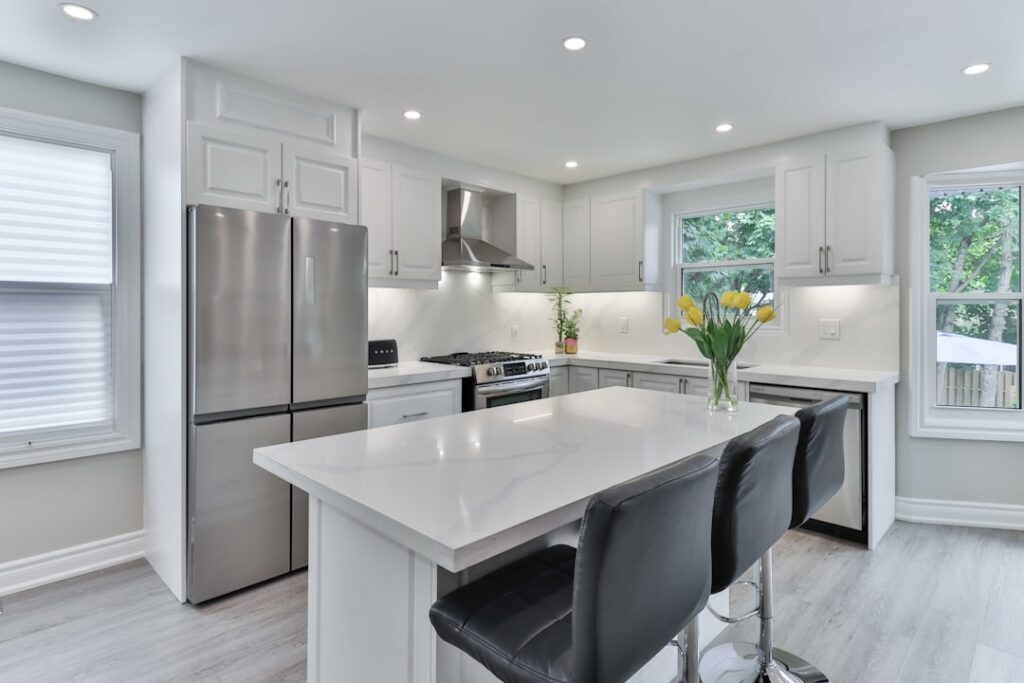
A West Elm kitchen island promises the same clean-lined, mid-century-leaning look the brand built its reputation on, and for a lot of kitchens it delivers. These are freestanding islands and kitchen carts rather than built-in cabinetry, which means you can drop one into a rental, a small galley, or an open-concept space without demolition. Having placed a few of these for clients and styled around them, I can tell you the appeal is real, but so are the trade-offs in price, size, and assembly. Here is how to buy one without regret.
- What West Elm Actually Sells
- Sizing It to Your Kitchen
- Quality: What You Get for the Money
- Assembly and Delivery Reality
- Styling It So It Looks Built for the Space
- Dupes and Alternatives Worth Considering
- Caring for Wood and Stone Tops
- Mobility, Power, and Practical Limits
- Is a West Elm Island Right for You?
What West Elm Actually Sells
West Elm’s island lineup leans on a handful of recurring silhouettes. You will find reclaimed-wood pieces with visible grain and metal bracing, marble-top islands on wood or metal bases, and cleaner Scandinavian-style carts with open shelving. Most fall in the $1,200 to $2,800 range for the freestanding pieces, with the marble-top and larger reclaimed-wood models pushing toward $3,000. Smaller kitchen carts and bar carts start closer to $500 to $900.
The signature look is warm wood tones, honed or polished stone, and slim metal legs or frames. These are furniture pieces first, so they read lighter and more open than a bank of base cabinets. That is exactly why they work in a kitchen where you want an island without the visual mass of built-ins.
Sizing It to Your Kitchen
Before you fall for a finish, get the tape measure out. The single most common mistake is buying an island that strangles the walkways around it. The working clearance you want is at least 36 inches on every side, and 42 to 48 inches on the sides where two people pass or a dishwasher and oven doors swing open.
West Elm islands typically run 40 to 60 inches long, 20 to 28 inches deep, and 36 inches tall to match standard counter height. That footprint suits kitchens of about 150 square feet and up. In a compact kitchen, look at the narrower carts around 40 by 20 inches. Here is a quick clearance check before you order:
- Measure the open floor where the island will sit.
- Subtract the island footprint.
- Confirm you still have 36-plus inches of walkway on all working sides.
- Verify appliance and cabinet doors clear the island fully when open.
Quality: What You Get for the Money
West Elm sits in the upper-mid tier. The reclaimed-wood tops are genuine solid wood with real character, and the marble is natural stone, not a printed laminate. That is a step above flat-pack particleboard from a big-box store. The stone will patina and can etch from lemon juice or wine, which is normal for marble but surprises buyers who expected it to stay pristine.
Where quality varies is in the hardware and joinery. Some models use solid mortise-and-tenon or bolted steel frames that feel rock-solid; a few of the lighter carts rely on cam-lock fasteners that can loosen over a year of use. My advice is to read recent reviews for the specific SKU and check whether the base is solid wood or veneered engineered wood. A polished stone top on a wobbly base is a bad trade.
Assembly and Delivery Reality
Most West Elm islands arrive flat-packed or partially assembled and require you to attach legs, shelves, and sometimes the top. Budget 45 minutes to two hours with a second set of hands, because the marble tops are genuinely heavy and awkward. A 48-inch marble top can weigh 80 to 120 pounds, and dropping a corner will chip the stone.
White-glove delivery and assembly is usually offered for $100 to $200 and is worth it on the heavy stone pieces. If you go DIY, unbox on a moving blanket, tighten every fastener in stages rather than one at a time, and add felt pads or leveling feet so the island sits flat on your floor. An unlevel island rocks, and that rocking is what loosens joints over time.
Styling It So It Looks Built for the Space
A freestanding island can look like an afterthought or like it was always there; the difference is in the details. Pair the island with two or three counter-height stools at 24 to 26 inches seat height for a 36-inch top, and leave 24 inches of width per stool so people are not elbow to elbow. Hang a pendant or a pair of pendants roughly 30 to 36 inches above the surface to anchor the island visually.
Repeat one material from the island elsewhere in the room, a wood cutting board that echoes the base, or brass hardware that matches the legs, so the piece reads as intentional. Keep the top mostly clear with one styled vignette rather than clutter, and the island instantly looks more designer than furniture-store.
Dupes and Alternatives Worth Considering
If the West Elm price stings, several alternatives get you close to the look for less. Crate & Barrel and CB2 offer similar marble-and-wood islands often within $100 to $400 of West Elm. World Market and Wayfair carry reclaimed-wood carts in the $400 to $900 range, though you trade some material quality and structural heft.
For a true builder move, a stock base cabinet from a home center topped with a butcher-block or a remnant slab of stone can replicate the reclaimed-wood-and-marble vibe for $500 to $1,000, and it will be more solid than most carts. You lose the mobility, but you gain storage and stability.
Caring for Wood and Stone Tops
The finishes that make these islands attractive also demand a little discipline. Marble is a soft, porous stone that etches on contact with anything acidic, so wipe up lemon, tomato, vinegar, and wine right away. Seal a marble top every six to twelve months with a food-safe stone sealer, and use cutting boards religiously because the surface scratches. If you want the marble look without the babysitting, ask whether the model offers a quartz top instead.
Reclaimed-wood and butcher-block surfaces want the opposite care: oil, not sealer. Rub in a food-grade mineral oil or a beeswax conditioner every month or two to keep the wood from drying and cracking. Never let standing water sit on wood, and never set a hot pan directly on either wood or stone. Treat the top like the furniture it is and it will look better in ten years than the day it arrived.
Mobility, Power, and Practical Limits
Remember that a West Elm island is furniture, which brings both freedom and limits. Because it is not plumbed or wired, you cannot drop in a prep sink or a cooktop the way you can with built-in cabinetry. If you want an outlet at the island for small appliances, a floor outlet or a professionally installed pop-up receptacle is a separate project with its own permit and cost.
The upside is flexibility. You can reposition the island for a party, take it with you when you move, or swap it out when your taste changes without touching your kitchen’s bones. For renters and anyone who is not ready to commit to permanent millwork, that mobility is the whole point, and it is worth weighing against the storage and utility you give up.
Is a West Elm Island Right for You?
Choose a West Elm kitchen island if you want a design-forward, freestanding piece with genuine wood and natural stone, and you value the finished look over maximum storage or the absolute lowest price. Skip it if you need heavy-duty built-in cabinetry, if your walkways are already tight, or if you would rather put the same $2,000 toward permanent millwork. Measure your clearances first, confirm the base construction on the exact model, and spring for assembly help on the stone tops. Do that homework and a West Elm island will earn its place as the natural gathering point of the room.