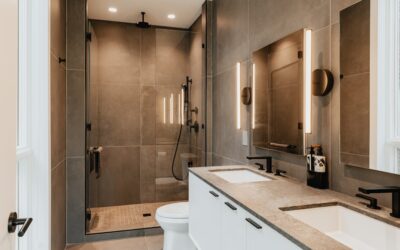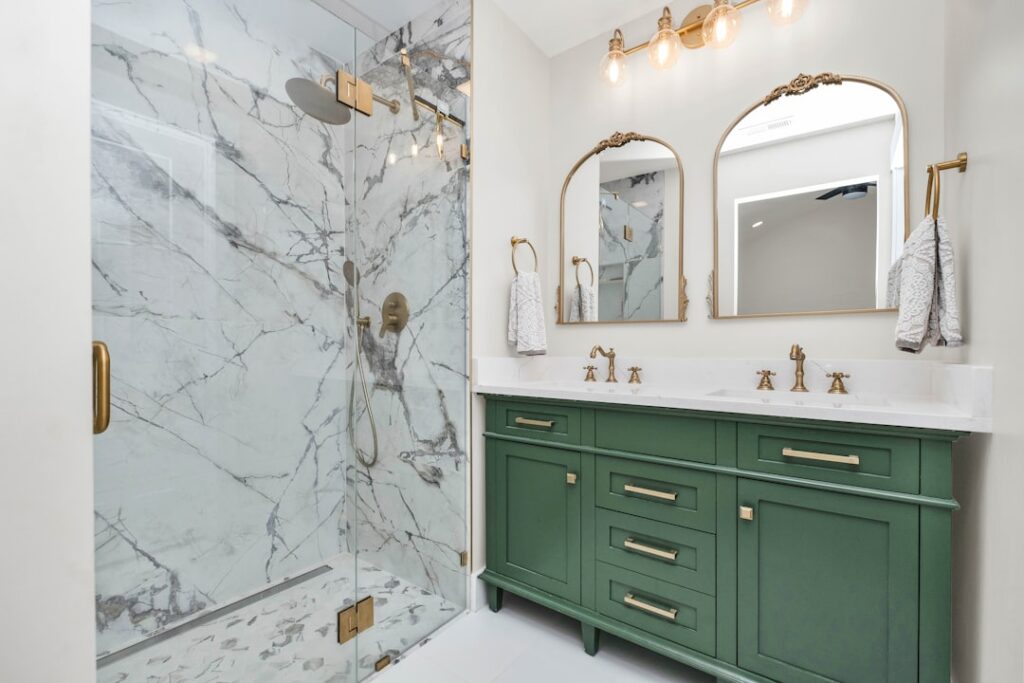
A steam shower is a fully enclosed shower stall with a generator that produces steam at roughly 110-120°F, saturating the air to 100% humidity for a spa-like experience. What is a steam shower if not a regular shower with extra features? The distinction matters because the construction, waterproofing, and controls differ substantially from standard showers, and retrofitting an existing bathroom typically runs $4,000-$10,000 including generator, controls, and vapor-tight enclosure. This guide covers how they work, real-world costs, health benefits backed by research, and what homeowners should know before committing to the build.
Part of our Bathroom Remodeling & Flooring guide — explore the full guide →
How a Steam Shower Actually Works
A stainless steel or copper generator (KSA, Mr. Steam, SteamSpa, and ThermaSol dominate the residential market) sits in a nearby closet, basement, or vanity cabinet. Cold water feeds the unit, where electric elements heat it to boiling. Steam then travels through insulated pipe to a head inside the shower, typically mounted low on a wall.
The shower enclosure itself must be fully sealed: ceiling included, with a sloped top to drain condensation back to the floor. Glass doors get a transom or sweep seal at the top, and the shower space is sized to allow steam to circulate — usually 7-8 feet ceiling height maximum so steam doesn’t dissipate into unused volume.
Steam Shower vs Regular Shower
A standard shower sprays water on the user. A steam shower fills the entire enclosure with hot vapor so you’re surrounded by moisture even without running water. Regular showers last 5-15 minutes at 100-110°F water temperature. Steam sessions typically run 15-20 minutes at 110-120°F air temperature with zero water flow against the skin.
Most steam showers include both functions: turn on the generator for a steam session, then finish with a normal rinse using the standard shower head. This dual capability is what distinguishes them from saunas, which use dry heat and no water whatsoever.
Steam Shower vs Sauna
- Steam shower: 100% humidity, 110-120°F, water-based construction
- Traditional Finnish sauna: 5-20% humidity, 160-200°F, wood interior
- Infrared sauna: 30-50% humidity, 120-150°F, low-EMF heaters
- Steam sessions: 15-20 minutes typical
- Sauna sessions: 10-30 minutes typical
The practical difference is tolerance. Most people handle steam longer than sauna heat because the lower temperature is easier on the respiratory system. Steam also opens the pores and hydrates the skin, while dry sauna tends to dehydrate and is often followed by a cold plunge.
Installation Cost Breakdown
Budget for the following: generator unit ($800-$3,500 depending on size and brand), control panel ($200-$600), steam head and digital controls ($150-$400), labor for plumbing and electrical ($1,500-$3,500), waterproofing membrane and tile ($2,000-$6,000), and vapor-tight glass enclosure ($1,500-$4,000 custom). Total installed projects run $6,000 on the low end for DIY tile work and up to $20,000 for premium stone steam rooms.
Generator sizing matters. Manufacturers publish sizing charts based on stall volume, tile type, and ceiling height. A 5x5x7 stall with porcelain tile needs roughly a 6 kW generator; stone or glass requires 30% more capacity. Undersizing is the most common installation mistake and results in steam that never reaches target temperature.
Waterproofing Requirements
Standard shower pans and cement board don’t hold up to continuous vapor exposure. Steam showers require sheet-applied waterproofing like Schluter Kerdi-Board, USG Durock, or liquid membranes like RedGard applied at 30-40 mil thickness on every interior surface including the ceiling. Seams get fleece tape and corner dams.
Tile grout should be epoxy-based or high-performance urethane. Traditional cement grout absorbs moisture and grows mildew in a steam environment within 2-3 years. Budget $4-$6 per square foot for epoxy grout installation.
Electrical Requirements
Most residential generators need a dedicated 240V circuit with 30-50 amp capacity. This typically requires a new breaker in the panel, 10/2 or 8/2 wire to the generator location, and possibly a sub-panel if the main is full. Add $400-$1,200 in electrical work to any steam shower budget.
GFCI protection is required on the 120V control circuit and strongly recommended even on the 240V main feed. Steam generators run hot during operation — leave 6-12 inches clearance from combustibles and never locate them in an unvented closet.
Health Benefits (Evidence-Based)
Research from Harvard Medical School and peer-reviewed studies in Complementary Therapies in Medicine support several claims: steam bathing improves circulation by dilating blood vessels, reduces congestion in sinuses and upper airways, relaxes stiff muscles, and provides mild cardiovascular training similar to moderate exercise. Skin hydration improves measurably after 15-minute sessions.
Unsupported claims include significant weight loss, detoxification through skin, and immune enhancement. The water weight lost during a session returns within hours of normal hydration. Use steam for relaxation and respiratory relief rather than as a weight-loss tool.
Running Costs and Maintenance
A 6 kW generator running 20 minutes per day costs roughly $8-$15 per month in electricity at the US average rate of $0.16/kWh. Water usage is minimal, about 1-2 gallons per session. Descaling the generator every 12-18 months using manufacturer-approved solution prevents mineral buildup that shortens element life.
Expected lifespan of a quality generator is 10-15 years with annual maintenance. Silicone seal tubes should be checked every six months and replaced when they show any cracking. Drain the generator fully before any extended vacation to prevent stagnant water issues.
Is It Worth the Investment
Appraisers typically credit 50-70% of steam shower cost toward home value in premium markets. In mid-market homes, the return is closer to 30-40%. The lifestyle value is higher — daily users report the system pays for itself in relaxation and respiratory benefits within the first couple years of ownership. For bathroom remodels already in progress, adding steam during construction costs far less than retrofitting later.