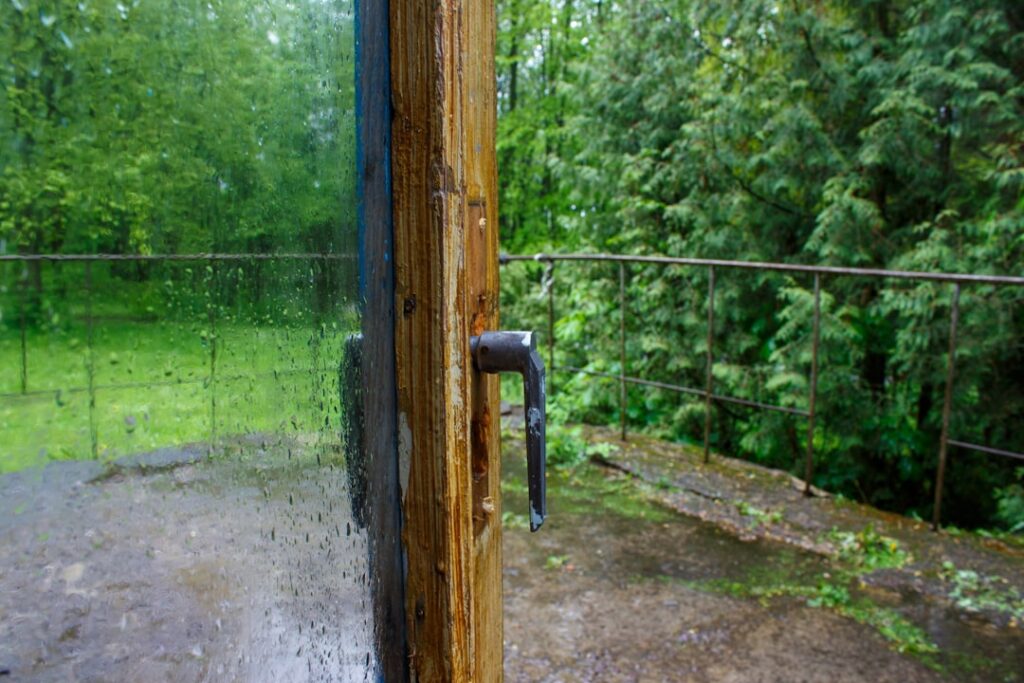
If you have ever wondered what is a storm door, it is the second, outer door mounted in front of your main entry door — the one with the glass and screen panels that swings open before you reach your real front door. It protects the primary door from weather, adds an extra insulating air gap, and lets you open up the entry for a breeze in mild weather without leaving the house wide open.
- What a Storm Door Actually Does
- How It Differs From a Screen Door
- Types of Storm Doors
- Materials and Durability
- Storm Door Versus Screen Door Versus Security Door
- Energy Savings You Can Actually Expect
- What a Storm Door Costs
- Installing a Storm Door
- Choosing the Right Handing and Swing
- Maintenance and Seasonal Care
- The One Real Downside: Heat Buildup
- Do You Need One?
Storm doors are a small, affordable upgrade that punches above its weight. Here is how they work, what they cost, and whether your entry actually needs one.
What a Storm Door Actually Does
A storm door sits in the exterior door frame, roughly an inch in front of your main door, and serves several jobs at once:
- Weather protection. It shields an expensive wood or painted entry door from rain, snow, and UV, extending its finish life by years.
- Extra insulation. The pocket of air trapped between the two doors acts as a thermal buffer, cutting drafts and reducing heat loss in winter.
- Ventilation. Swap the glass panel for a screen and you can open the main door to let air flow while keeping bugs out.
- Natural light. Full-glass models let you open the interior door and flood the entry with daylight.
- A second barrier. A locked storm door adds one more obstacle for an intruder and keeps kids and pets contained.
How It Differs From a Screen Door
People use the terms loosely, but they are not the same. A screen door has only a mesh screen and is built purely for ventilation, common on back and porch entries. A storm door is a heavier, insulated unit with interchangeable glass and screen panels, built to stay on year-round and handle weather. Most modern storm doors are really combination doors, letting you swap between glass for winter and screen for summer.
Types of Storm Doors
Storm doors are grouped by how their glass and screen are arranged:
- Full-view — a single large glass panel top to bottom. You buy a separate screen panel and manually swap them by season. Maximum light and view.
- Ventilating (high-low) — glass panels on top and bottom that slide, with a built-in screen behind. Slide the glass and air flows without swapping any panels.
- Retractable screen — the screen rolls into the frame and disappears when you close the glass, so you never store a loose panel.
- Mid-view and low-view — glass covers the upper two-thirds or half, with a solid or ventilating lower section that resists kicks and dents.
Materials and Durability
Frame material sets the price and lifespan:
- Aluminum — the most common, rustproof and light, usually over a wood or foam core. Good value at the mid range.
- Vinyl — low-maintenance and affordable, but can warp under intense sun on a south-facing door.
- Wood — traditional and handsome, but needs periodic paint or sealing.
- Fiberglass and steel — the most durable and secure, found on heavy-duty security storm doors with steel mesh.
Look for tempered safety glass, a solid-core rather than hollow frame, and a full-length piano hinge, which resists sagging far better than a few small hinges.
Storm Door Versus Screen Door Versus Security Door
It helps to place the storm door among its cousins so you buy the right thing:
- Screen door: mesh only, ventilation-focused, light and cheap, best on a shaded porch or back door that never sees driving rain.
- Storm door: the four-season workhorse with swappable glass and screen, weather protection plus airflow, meant to stay mounted year-round.
- Security storm door: a heavy steel frame with a steel-mesh screen and a real deadbolt, chosen when protection matters more than looks or ventilation.
For most front entries in a real climate, the standard combination storm door is the sweet spot, covering weather, light, and ventilation in one unit.
Energy Savings You Can Actually Expect
Do not overstate the numbers. On a home with a tight, modern entry door, a storm door adds only a small efficiency gain. But on an older house with a drafty original door, the trapped air gap and the extra weatherstripping can noticeably cut the cold air leaking in around the entry. Look for a storm door with a low-emissivity glass coating and good corner seals if energy is your main reason for buying. The bigger, more reliable payoff is protecting the finish on an expensive entry door and keeping wind-driven rain and snow off it, which is where a storm door quietly earns its keep for decades.
What a Storm Door Costs
Pricing spans a wide range by quality:
- Basic aluminum models — $100 to $250 at the home center.
- Mid-grade ventilating or retractable-screen doors — $250 to $450.
- Premium and security storm doors — $450 to $900 and up.
- Professional installation — typically $100 to $300 on top, depending on how square the existing opening is.
Standard sizes are 32, 34, and 36 inches wide by 80 inches tall, sized to fit common entry openings, so most homes take an off-the-shelf unit without custom work.
Installing a Storm Door
A storm door mounts to the exterior door brickmold or trim, not the door itself. The basic sequence:
- Measure the opening width at top, middle, and bottom, and the height on both sides, then buy the size that matches the smallest measurement.
- Attach the hinge-side Z-bar to the trim, plumb, using the provided screws.
- Hang the door on that rail and check that it swings freely without rubbing.
- Install the latch-side and top rails, leaving an even reveal around the door.
- Attach the sweep at the bottom so it seals against the threshold, and mount the closer and safety chain.
Most handy homeowners can install a pre-hung storm door kit in two to three hours with a drill, level, and hacksaw to trim the rails. The closer and the wind chain are not optional — a gust can rip an unrestrained storm door right off its hinges.
Choosing the Right Handing and Swing
Storm doors are usually reversible, but you still want to plan the swing before you buy. The hinge should sit on the same side as your main entry door’s hinges so both doors open the same direction, and the door should swing toward the side with the most open porch or landing space. On a windy exposure, hinging the door so gusts push it closed rather than flinging it open saves a lot of wear on the closer. Most home-center models let you set the hinge on either side during installation, so check the box for a reversible unit if your entry is non-standard.
Maintenance and Seasonal Care
A storm door needs almost nothing, but a few habits keep it working for 15 to 20 years:
- Swap panels on schedule. Glass in for cold months, screen in for summer, so heat can vent and you get airflow.
- Adjust the closer twice a year. The small screw on the closer cylinder controls how fast the door shuts; slow it down in winter so it does not slam in the cold.
- Wipe the tracks and hinge. Grit in the panel channels scratches glass and jams screens. A quick vacuum and a dry lubricant on the piano hinge keep it smooth.
- Check the sweep. Replace the bottom weatherstrip when it hardens or tears, since that is your main draft seal.
The One Real Downside: Heat Buildup
Full-glass storm doors over a dark or fiberglass entry door can trap solar heat in the air gap, sometimes reaching 140°F or more on a sunny afternoon. That heat can blister paint or, in extreme cases, void the warranty on the interior door. If your entry faces south or west and gets strong sun, choose a ventilating model or one with a low-emissivity glass coating, and keep the screen in during hot months to let that heat escape.
Do You Need One?
So, circling back to what is a storm door and whether it belongs on your house: it is worth it if you want to protect a nice entry door, cut drafts on an older home, or get cross-ventilation without leaving the front door open. It matters less if you have a covered porch that already shelters the entry, or a heavily sun-baked door where heat buildup outweighs the benefit. For most homes in a real four-season climate, a good storm door pays for itself in comfort and in the years it adds to the door behind it.