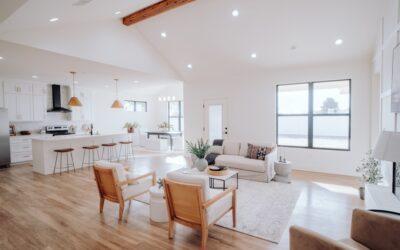
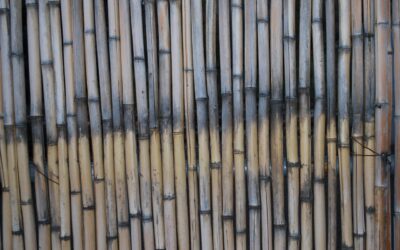
Most people picture bamboo flooring in two colors: blond natural or carbonized caramel. Walk into a high-end Scandinavian-style apartment in Brooklyn or a beach house in San Diego right now and you’ll see a third option taking over — pure, almost-paper-white planks that brighten rooms in a way oak can’t quite match. White bamboo flooring achieves this look through three different processes, and the manufacturing route matters a lot for how the floor wears, ages, and prices out per square foot.
- The Three Ways Bamboo Gets White
- Strand-Woven vs Horizontal vs Vertical
- Cost Per Square Foot in 2026
- Best Brands to Consider
- Where White Bamboo Shines
- Where It Struggles
- Installation Method Choices
- Subfloor Requirements and Acclimation
- Finish, Cleaning, and Long-Term Care
- Pros and Cons Summary
- Is White Bamboo Right for Your Home?
- Comparing White Bamboo to Other Light Floors
- Common Installation Mistakes to Avoid
- Final Recommendation
The Three Ways Bamboo Gets White
Bleached bamboo strips are processed with hydrogen peroxide before being pressed into planks, producing a uniform near-white color all the way through the wear layer. White-stained bamboo is naturally colored bamboo with white pigment applied to the surface and locked under the factory finish. White-washed bamboo combines a light bleach with a translucent white pigment to keep some grain visible.
Bleached and white-washed wear better long-term because the color isn’t sitting on the surface. White-stained can show wear lines and color loss in 7-10 years in high-traffic areas, while bleached versions hold their color for the full 25-year wear warranty.
Strand-Woven vs Horizontal vs Vertical
Most quality white bamboo flooring is strand-woven — bamboo fibers shredded, mixed with adhesive, and pressed under extreme pressure. Strand-woven bamboo registers 3,000-4,000 on the Janka hardness scale, harder than any oak, hickory, or hard maple. Horizontal and vertical bamboo (where you can see the original culm pattern) is softer at 1,200-1,800 Janka and rarely available in white.
For real-world durability, strand-woven white bamboo is the only version worth specifying for active households.
Cost Per Square Foot in 2026
- Click-lock floating white bamboo: $3.50-$5/sq ft material
- Tongue-and-groove glue-down white bamboo: $4-$6/sq ft material
- Premium engineered white bamboo (Cali Bamboo, Teragren, Ambient): $5-$7/sq ft material
- Installation: $3-$6/sq ft depending on method and subfloor prep
A typical 600-square-foot installation lands between $4,500 and $7,800 fully installed. That’s competitive with mid-grade engineered oak and noticeably cheaper than premium European white oak in the same color family.
Best Brands to Consider
Cali Bamboo’s Bamboozled in Boardwalk runs about $4.99 per square foot and includes a 50-year residential wear warranty. Teragren’s Studio line in Linen offers the cleanest white tone with the highest dimensional stability. Ambient Bamboo Floors makes a Tundra White strand-woven that holds up against scratches better than most oak engineered products. Lumber Liquidators (now LL Flooring) carries Morning Star Strand-Woven Bamboo White at the lowest price point in the $3 range.
Where White Bamboo Shines
The clean, almost-Nordic look pairs beautifully with:
- Open floor plans with floor-to-ceiling windows where you want to maximize daylight bounce
- Small condos and lofts under 1,200 sq ft where dark floors would close the space in
- Coastal and beach home aesthetics — Florida, Outer Banks, San Diego, Cape Cod
- Modern farmhouse interiors with white shiplap, black metal accents, and natural fiber rugs
- Pet-friendly homes (the strand-woven hardness handles claws extremely well)
Where It Struggles
White floors of any species show every speck of dirt, hair, and dust. If you don’t want to vacuum or sweep daily, choose a tone with more variation. White bamboo also reads cool, which can clash with warm wood furniture and traditional decor — it really wants modern, transitional, or coastal interiors.
Direct sunlight over decades will yellow even bleached bamboo slightly. North-facing rooms and homes with UV-blocking windows hold the color better.
Installation Method Choices
Click-lock floating installation is the easiest DIY option — a confident homeowner can install 300 square feet in a weekend with a tapping block, pull bar, and miter saw. Required underlayment is 2-3mm foam or cork, and the floor needs a 1/4-inch expansion gap at all walls.
Glue-down installation is required for slab-on-grade and recommended for kitchens. Use a urethane adhesive specified by the manufacturer (Bostik Best, Mapei UltraBond ECO 980) at $40-$60 per 4-gallon pail. Glue-down adds about $1-$1.50 per square foot to labor cost but produces a more solid feel underfoot.
Subfloor Requirements and Acclimation
Plywood subfloors need to be flat to 3/16 inch over 10 feet. Concrete slabs must test below 4 lbs per 1,000 sq ft per 24 hours on a calcium chloride moisture test. Acclimate planks 72 hours minimum in the install room at 60-80°F and 30-50% RH.
Skip acclimation and you’ll see seasonal gaps wider than the manufacturer warranty allows for, which voids replacement claims.
Finish, Cleaning, and Long-Term Care
Quality white bamboo ships with 7-9 layers of UV-cured aluminum oxide finish — exceptionally durable. Daily care is dry sweeping or microfiber dust mop. Weekly damp mop with bamboo-safe cleaner (Bona, Method Squirt + Mop, or pH-neutral). Avoid steam mops and oil soaps — both damage the factory finish and void warranties.
Felt pads on every furniture leg, walk-off mats at exterior entries, and 30-second dry-up of any water spill will keep a white bamboo floor looking fresh for 15+ years.
Pros and Cons Summary
Pros: exceptional hardness in strand-woven form, brightens spaces, eco-friendly rapidly renewable material, price-competitive with engineered oak, distinctive modern look.
Cons: shows dust and pet hair quickly, sensitive to humidity swings, white-stained versions can wear unevenly, limited color depth compared to natural wood floors.
Is White Bamboo Right for Your Home?
If you want light, modern, and durable in one product without paying $12+ per square foot for European bone-toned oak, strand-woven white bamboo from a reputable brand is the smartest move on the market. Choose bleached or white-washed over white-stained for longevity, install it correctly with proper acclimation, and the floor will hold up against kids, dogs, and Sunday dinner traffic for decades.
Comparing White Bamboo to Other Light Floors
White-toned bamboo competes with three other popular light floor options. Bleached engineered oak runs $7-$12 per square foot installed and offers genuine wood character but lower hardness (1,360 Janka vs 3,500+ for strand-woven bamboo). White-washed laminate flooring runs $2.50-$4 per square foot installed but lacks bamboo’s longevity and feels less authentic underfoot. Light-toned LVP at $3-$6 per square foot installed wins on waterproofing but trails on perceived quality.
For pure value, strand-woven white bamboo splits the difference between premium oak and budget vinyl, delivering wood-grade hardness at vinyl-grade pricing.
Common Installation Mistakes to Avoid
- Skipping the moisture meter check on subfloor before install
- Forgetting expansion gaps at walls (1/4 inch minimum)
- Using the wrong adhesive for glue-down (not all urethanes are bamboo-compatible)
- Installing over uneven subfloor without leveling first
- Mixing planks from different boxes without random distribution (creates color patches)
- Failing to acclimate the planks for the recommended period
Final Recommendation
For a coastal, Scandinavian, or modern farmhouse home, strand-woven white bamboo from Cali Bamboo, Teragren, or Ambient is the smartest light-floor specification on the market today. Pick bleached or white-washed for color longevity, install with proper moisture testing and acclimation, and you’ll have a beautiful, durable, eco-friendly floor that brightens every room it touches.
Prefer to explore on your own?
See how new flooring looks in your actual room in seconds — free, no signup.
Try the free Floor Studio →