
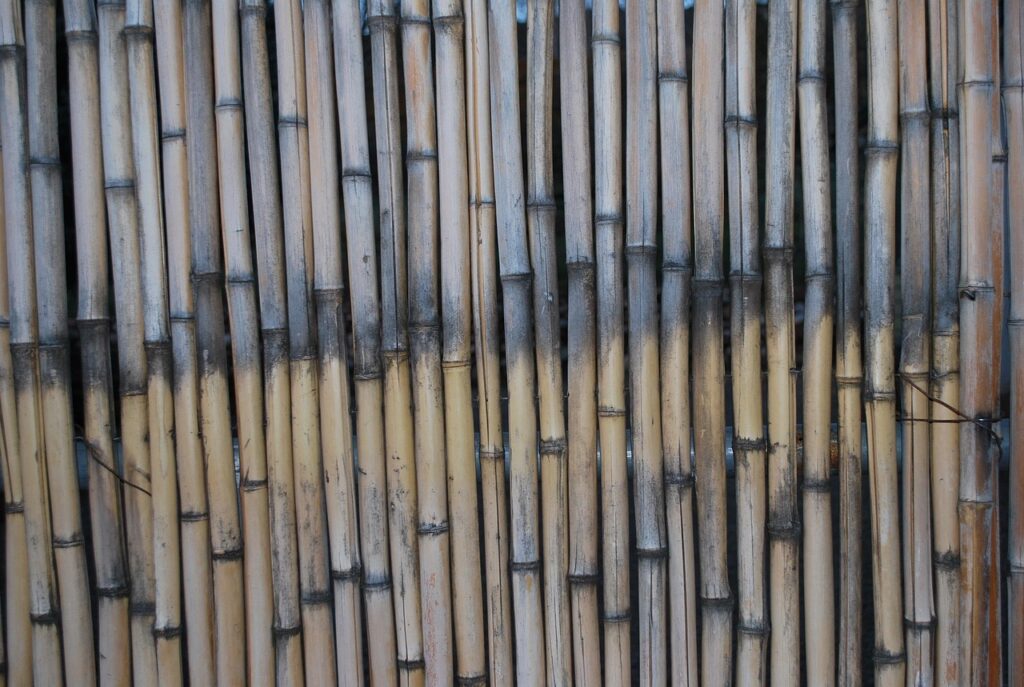
Bamboo is technically a fast-growing grass, yet it produces some of the hardest, most eye-catching floors you can buy. Understanding the main bamboo flooring types is essential, because the manufacturing method makes a huge difference in hardness, appearance, and price. A floor labeled simply bamboo could be soft and prone to dents or harder than most oak, depending on how it was made. This guide explains the three main types, what they cost, and how to choose and care for a bamboo floor that lasts.
How Bamboo Flooring Is Made
All bamboo flooring starts with mature bamboo stalks, but the way those stalks are processed into planks defines the product. The fibers can be sliced and laid flat, stood on edge, or shredded and compressed under heat and pressure. Each method yields a distinct look and a different level of durability, which is why knowing the type matters before you buy.
Bamboo is also prized as an eco-friendly material because it matures in about five to seven years, far faster than the decades hardwood trees need. That renewability is a big part of its appeal.
Strand-Woven Bamboo
Strand-woven is the toughest and most popular bamboo flooring today. The bamboo fibers are shredded, mixed with adhesive, and compressed under extreme heat and pressure into dense planks. The result is exceptionally hard, often rating well above red oak on the Janka hardness scale, which makes it highly resistant to dents and scratches.
This hardness makes strand-woven a great choice for high-traffic areas and homes with kids and pets. It comes in natural tones and richer carbonized or stained colors. Material typically runs $3 to $8 per square foot, a strong value for its durability.
Horizontal Grain Bamboo
Horizontal bamboo is made by gluing flat strips of bamboo side by side and pressing them into planks. This method shows off bamboo’s signature look, the distinctive nodes and growth rings that read clearly as bamboo. If you want a floor that obviously looks like bamboo, this is the type for you.
The tradeoff is that horizontal grain is softer than strand-woven and more prone to denting under heavy furniture or in busy areas. It works best in lower-traffic rooms where its classic appearance can shine. Material generally costs $3 to $6 per square foot.
Vertical Grain Bamboo
Vertical bamboo is made by standing the bamboo strips on edge before gluing and pressing them together. This produces a more uniform, linear, contemporary look with the nodes less prominent than in horizontal flooring. The grain runs in tighter vertical lines for a clean, modern appearance.
Like horizontal grain, vertical bamboo is softer than strand-woven and best suited to moderate-traffic rooms. Pricing is similar, around $3 to $6 per square foot for material. Choose it when you want bamboo’s eco appeal with a sleeker, more subdued grain.
Comparing the Three Types
Here is a quick way to keep the bamboo types straight:
- Strand-woven: hardest and most durable; best for high traffic, pets, and busy homes.
- Horizontal grain: classic bamboo look with visible nodes; softer, best for lighter-traffic rooms.
- Vertical grain: clean, modern linear look; softer, best for moderate-traffic rooms.
You will also find solid bamboo and engineered bamboo within these types. Engineered bamboo bonds a bamboo top layer to a stable core, improving performance over concrete and in humidity-prone spaces.
Pros of Bamboo Flooring
Bamboo offers a compelling mix of benefits that explain its popularity:
- Eco-friendly thanks to bamboo’s rapid renewal cycle.
- Hard and durable, especially strand-woven varieties.
- Attractive and distinctive, with a look that stands apart from standard wood.
- Affordable compared with many traditional hardwoods.
- Often refinishable, particularly thicker solid and strand-woven products.
Cons to Keep in Mind
Bamboo is not flawless. It is sensitive to moisture and humidity swings, so it can swell, warp, or develop gaps if installed in very wet areas or without proper acclimation. Standing water is a real risk, so it is not ideal for bathrooms. Quality also varies widely by manufacturer, and cheaper bamboo can be soft or made with adhesives that off-gas, so buy from reputable brands with low-VOC certifications.
Softer horizontal and vertical types scratch and dent more easily than strand-woven, so match the type to the room’s traffic. And like most natural materials, bamboo can fade in strong direct sunlight over time.
Care and Installation Tips
Let bamboo acclimate in your home for several days before installation so it adjusts to your indoor humidity, which helps prevent gaps and cupping. Keep indoor humidity reasonably stable, ideally in the 40 to 60 percent range, to protect the floor long term.
For daily care, sweep or dust-mop regularly and clean with a barely damp mop and a cleaner made for bamboo or hardwood. Wipe spills promptly, use felt pads under furniture, and place mats at entries to catch grit. With this simple routine, a quality bamboo floor stays beautiful for many years.
Color Options: Natural Versus Carbonized
Beyond construction type, bamboo comes in different colors, and how that color is achieved affects durability. Natural bamboo keeps its light, blond tone and retains full hardness. Carbonized bamboo is heated to caramelize the sugars in the fibers, producing a richer amber-brown color throughout the plank.
The catch with carbonized bamboo is that the heating process softens it somewhat, making it less dent-resistant than natural bamboo of the same type. If you love the darker tone but want maximum durability, look for stained strand-woven bamboo, which achieves rich colors without the softening that carbonization causes.
How Bamboo Compares to Hardwood
Homeowners often weigh bamboo against traditional hardwood, and the comparison is closer than many expect. Strand-woven bamboo frequently outperforms common hardwoods like oak on the Janka hardness scale, so it can be more dent-resistant. Bamboo is also typically less expensive and far more renewable, since it regrows in years rather than decades.
Where hardwood holds an edge is in proven longevity, refinishing depth, and resale recognition; buyers and appraisers know oak. Bamboo quality also varies more by manufacturer than hardwood does. For an eco-conscious buyer who wants a hard, affordable, distinctive floor, bamboo is a compelling alternative; for maximum resale familiarity, hardwood still leads.
The Bottom Line
The best bamboo flooring type depends on your traffic and your taste. Strand-woven is the durable, all-around winner for busy homes, while horizontal and vertical grain offer that classic bamboo character for calmer rooms. Buy from a reputable brand, acclimate the planks, control indoor humidity, and care for the floor properly, and bamboo rewards you with a hard, eco-friendly, and genuinely distinctive surface.
Prefer to explore on your own?
See how new flooring looks in your actual room in seconds — free, no signup.
Try the free Floor Studio →

