For homeowners who want a sustainable, durable, and distinctly modern kitchen, bamboo kitchen cabinets offer a compelling alternative to traditional hardwood. Technically a fast-growing grass rather than a tree, bamboo delivers surprising strength, a warm contemporary grain, and strong eco-credentials. This guide covers the types, durability, costs, and care so you can decide whether bamboo belongs in your kitchen.
Part of our Kitchen Remodeling guide — explore the full guide →
- Why Choose Bamboo
- How Bamboo Cabinets Are Made
- Hardness and Durability
- Carbonized vs Natural Bamboo
- Solid Bamboo vs Bamboo Veneer
- Typical Costs
- Environmental and Health Considerations
- Design and Style Fit
- Care and Maintenance
- Bamboo vs Hardwood Cabinets
- Common Mistakes to Avoid
- Finishes and Color Options
- Hardware and Design Pairings
- Longevity and Refinishing
- Where Bamboo Works Best
- Buying Tips and What to Verify
- Frequently Asked Questions
- The Verdict
Why Choose Bamboo
Bamboo grows to harvest maturity in three to five years, compared to decades for oak or maple, making it one of the most renewable cabinet materials available. It regenerates from its own root system without replanting, and its rapid growth absorbs significant carbon. Beyond sustainability, bamboo is prized for its clean, light, linear look that suits modern, Scandinavian, and Asian-inspired kitchens, and its distinctive node markings add subtle character.
How Bamboo Cabinets Are Made
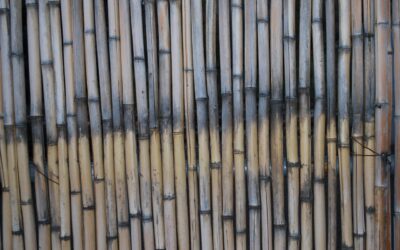
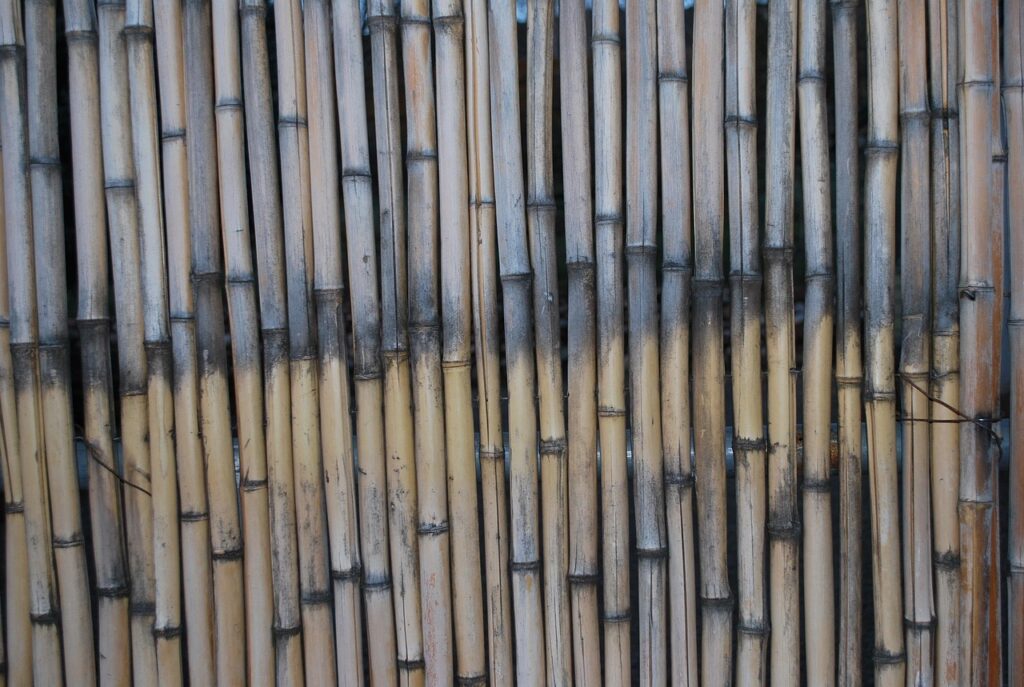
Raw bamboo stalks are sliced into strips, boiled to remove sugars and deter insects, then laminated under heat and pressure into solid panels or plies. There are three main grain constructions: horizontal, showing the characteristic nodes; vertical, showing narrow uniform lines; and strand-woven, where shredded fibers are compressed into an extremely dense board. The construction you choose affects both appearance and hardness.
Hardness and Durability
Standard flat-grain bamboo rates around 1,380 on the Janka hardness scale, comparable to red oak, while strand-woven bamboo can reach 3,000 or higher, harder than most domestic hardwoods. This density makes bamboo resistant to dents and daily wear. It also resists moisture and swelling better than many woods when properly sealed, though it is not waterproof and standing water should never be left to soak into seams.
Carbonized vs Natural Bamboo
Bamboo comes in two base tones. Natural bamboo is pale blond, close to light maple. Carbonized bamboo is steamed under pressure to caramelize its sugars, producing a richer amber-brown color throughout. Carbonizing is a coloring process, not a stain, but it slightly softens the material, so carbonized flat-grain is a touch less hard than natural. Both can be finished clear or lightly stained to fine-tune the shade.
Solid Bamboo vs Bamboo Veneer
Like wood cabinets, bamboo comes as solid panels or as veneer over a plywood or MDF core. Solid bamboo doors are the most premium and can be refinished, while bamboo veneer offers dimensional stability and a lower price. Many quality lines use a bamboo veneer over a formaldehyde-free plywood box, combining the look of bamboo with stable, warp-resistant construction ideal for humid kitchens.
Typical Costs
Bamboo cabinets generally cost 5,000 to 15,000 dollars for an average kitchen, or roughly 150 to 500 dollars per linear foot depending on construction, grain, and hardware. Strand-woven and solid-panel options sit at the higher end, while bamboo-veneer semi-custom lines are more affordable. Bamboo typically prices similar to good hardwood, more than laminate or thermofoil but less than exotic species or full custom cabinetry.
Environmental and Health Considerations
Bamboo’s green reputation depends on how it is manufactured. Look for cabinets that use low- or no-added-formaldehyde adhesives, since cheaper imports can off-gas volatile compounds. Certifications such as FSC for responsible sourcing and CARB2 or NAF compliance for low emissions signal a healthier product. A genuinely eco-friendly bamboo cabinet pairs the renewable material with safe glues and finishes.
Design and Style Fit
Bamboo shines in contemporary and minimalist kitchens, where its horizontal grain and warm neutral tone soften stark modern lines. It pairs beautifully with quartz counters, stainless appliances, and matte black or brushed-nickel hardware. Because its grain is more uniform than oak, bamboo reads calm and clean rather than busy, making it a favorite for open-plan spaces where cabinetry should feel serene.
Care and Maintenance
Wipe bamboo cabinets with a soft, damp cloth and mild soap, then dry promptly; never let water pool at seams or around the sink. Avoid ammonia, bleach, and abrasive scrubbers that strip the finish. Keep kitchen humidity moderate to prevent expansion and contraction. Reapply a compatible clear finish every several years on solid bamboo to maintain water resistance. With basic care, bamboo cabinets last 20 years or more.
Bamboo vs Hardwood Cabinets
Compared to oak or maple, bamboo is more renewable and often equally or more durable, especially in strand-woven form. Hardwood offers more species, colors, and traditional door styles, while bamboo leans modern. Bamboo’s uniform grain limits ornate raised-panel looks, so if you want a formal traditional kitchen, hardwood may suit better; for a sleek, sustainable, modern kitchen, bamboo is hard to beat.
Common Mistakes to Avoid
Buyers sometimes assume all bamboo is equally hard and choose carbonized flat-grain for a high-abuse area where strand-woven would last longer. Others overlook adhesive quality and end up with off-gassing budget imports. Leaving standing water on seams causes swelling over time, and using harsh cleaners dulls the finish. Verifying construction, grain type, and emissions ratings before buying prevents most disappointments.
Finishes and Color Options
Although bamboo has a signature blond or amber tone, it accepts a range of finishes. A clear matte or satin polyurethane preserves the natural look while sealing against moisture. Light stains can nudge the color toward gray, honey, or walnut without hiding the grain. High-gloss lacquer finishes give a sleek European look, while a hand-rubbed oil finish enhances warmth. Because bamboo’s grain is subtle, the finish sheen has a big impact on whether the kitchen reads casual and organic or crisp and contemporary.
Hardware and Design Pairings
Bamboo’s warm neutral tone is a flattering backdrop for many hardware choices. Matte black pulls create modern contrast, brushed stainless keeps things clean and minimal, and brushed brass adds a touch of warmth that complements the wood’s amber notes. For a truly minimalist look, handleless bamboo cabinets with push-to-open or edge-pull hardware let the material speak for itself. Pair bamboo with quartz or concrete countertops and simple subway or large-format tile for a cohesive contemporary kitchen.
Longevity and Refinishing
Solid bamboo cabinets can be sanded and refinished when the surface eventually dulls or scratches, extending their life well beyond two decades. Veneer versions cannot be sanded as aggressively but still last many years with care. Because bamboo is so dense, especially strand-woven, it resists the dents and gouges that would mar softer woods, meaning it often looks newer longer. Keeping the finish intact and moisture at bay is the key to maximizing that lifespan.
Where Bamboo Works Best
Bamboo cabinets suit any room where you want a warm, modern, sustainable look, but they shine in kitchens, bathrooms, and home offices. In bathrooms, choose a well-sealed veneer over a moisture-resistant core to handle humidity. In kitchens, bamboo pairs beautifully with open shelving and natural light. Because its calm grain reads uncluttered, bamboo also works well in small spaces where busy wood grain would feel overwhelming, making a compact kitchen feel serene and larger than it is.
Buying Tips and What to Verify
When shopping, ask three key questions: What grain construction is it, since strand-woven is hardest? What core and adhesive are used, since a formaldehyde-free plywood box is best? And what certifications does it carry, such as FSC and CARB2 or NAF? Request a sample to judge the tone and finish in your own light. Confirm the warranty and whether the finish is factory-applied, which is more durable and consistent than a site finish. These checks separate quality bamboo from disappointing budget imports.
Frequently Asked Questions
Are bamboo cabinets durable?
Yes, standard bamboo rivals oak and strand-woven exceeds most hardwoods.
Is bamboo waterproof?
No, but sealed bamboo resists moisture well if water is not left standing.
Are they eco-friendly?
Yes, when made with responsibly sourced bamboo and low-emission glues.
Do they cost more than wood?
Roughly comparable to quality hardwood, more than laminate.
The Verdict
Choosing bamboo kitchen cabinets gives you a renewable, hard-wearing, and strikingly modern kitchen when you select quality construction and low-emission adhesives. Understand the grain types, match the hardness to your usage, and follow simple moisture-conscious care, and bamboo rewards you with a distinctive, sustainable kitchen that stands up to daily life for decades.