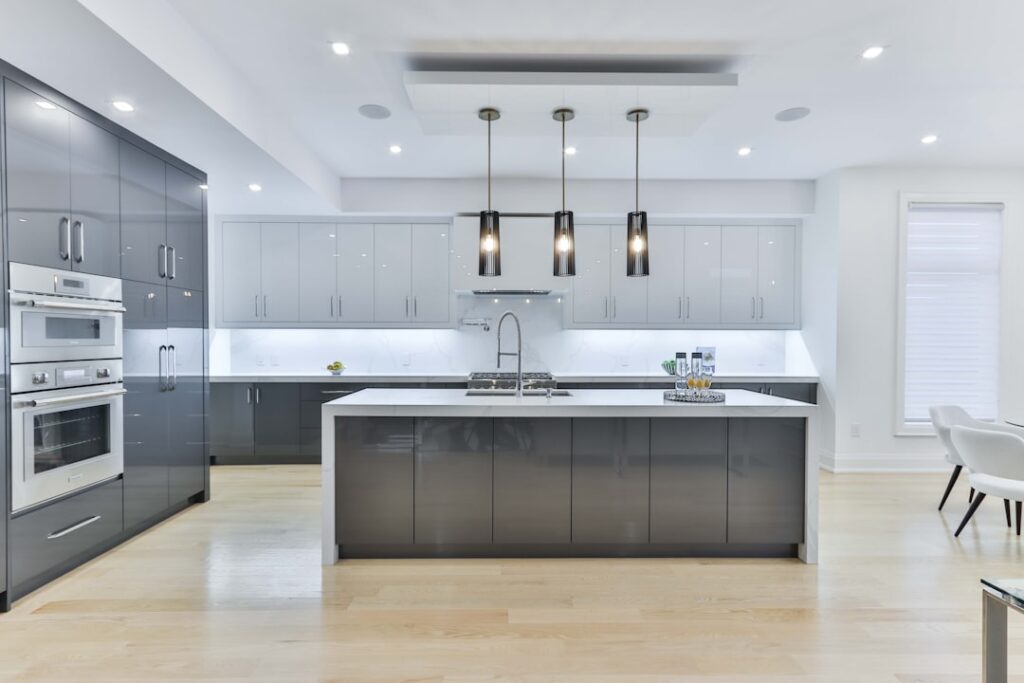
There is a reason designers keep returning to this pairing kitchen after kitchen. White cabinets with black knobs deliver crisp, high-contrast style that reads as both classic and modern, flattering everything from farmhouse to contemporary spaces. The black hardware grounds bright white cabinetry, adds definition, and creates a polished, intentional look without the cost of a full remodel. The key is choosing the right finish, shape, and placement so the contrast feels deliberate rather than stark.
- Why the Pairing Is So Popular
- Choosing the Right Black Finish
- Knobs vs. Pulls: What Goes Where
- Coordinating With the Rest of the Kitchen
- Styling Tips From the Pros
- Does It Work in Every Kitchen?
- Matching Hardware to Your Cabinet Style
- Avoiding Common Mistakes
- An Easy, High-Impact Update
- How to Install Black Knobs Yourself
- The Bottom Line
Why the Pairing Is So Popular
White cabinets can feel flat or clinical on their own. Black hardware solves that by introducing contrast and visual weight, drawing the eye and giving the cabinetry crisp definition. The combination is also remarkably versatile: black goes with nearly any countertop, backsplash, and flooring, so it adapts as your decor evolves. Best of all, it is timeless. Unlike trend-driven colors, black-and-white never looks dated, which protects your investment and your resale appeal.
Choosing the Right Black Finish
“Black” hardware actually comes in several finishes, and the one you pick sets the mood of the whole kitchen.
- Matte black: The most popular choice, soft and modern with no glare. It hides fingerprints well and pairs beautifully with both farmhouse and contemporary kitchens.
- Oil-rubbed bronze: A warmer, near-black finish with subtle brown undertones, ideal for traditional and rustic spaces.
- Satin or brushed black: A slightly textured look that resists smudges and adds understated depth.
- Polished or gloss black: Sleek and dramatic, best in modern kitchens where you want the hardware to shine.
Matte black is the safest, most flexible default, but match the finish to your overall style and to other metals in the room.
Knobs vs. Pulls: What Goes Where
While this look is named for knobs, most kitchens use a mix of knobs and pulls for both function and balance.
- Knobs traditionally go on upper cabinet doors and smaller drawers. They suit classic and transitional styles.
- Pulls (bar or cup handles) work best on larger drawers and lower cabinets, offering an easier grip for heavy contents.
- Cup pulls in black lean farmhouse and vintage.
- Long bar pulls read sleek and contemporary, especially on tall pantry doors.
A common designer approach is knobs on doors and pulls on drawers, keeping the finish consistent so the contrast stays cohesive.
Coordinating With the Rest of the Kitchen
Black knobs are easy to tie into the broader space by repeating black accents elsewhere.
- Faucet and fixtures: A matte black faucet echoes the hardware and pulls the look together.
- Lighting: Black pendant lights or sconces reinforce the theme.
- Window frames and stools: Black-framed windows or bar stool legs continue the palette.
- Countertops: White quartz with gray or black veining bridges the contrast naturally, while butcher block adds warmth.
- Backsplash: Classic white subway tile with dark grout subtly nods to the black accents.
Styling Tips From the Pros
- Stay consistent. Use the same black finish on all cabinet hardware for a unified, high-end look.
- Mind the size. Scale knobs and pulls to the cabinet; oversized hardware overwhelms small doors, and tiny knobs look lost on big drawers.
- Repeat the black at least three times. Beyond the knobs, add two or three more black touches so the hardware feels intentional.
- Mix metals carefully. Black pairs well with brass or gold for a curated two-tone look, but keep one as the dominant finish.
- Test placement. Tape hardware in position before drilling to confirm height and spacing feel right.
Does It Work in Every Kitchen?
This combination flatters almost any kitchen, but small adjustments help. In compact or low-light kitchens, keep black accents minimal so the space stays bright and airy. In large, sunlit kitchens, you can lean into more dramatic black hardware and fixtures. For a softer take, oil-rubbed bronze warms the contrast, while polished black sharpens it for a bold modern statement.
Matching Hardware to Your Cabinet Style
The shape of your cabinet doors guides the best knob style. Shaker cabinets, the most common white option, look balanced with simple round or square knobs and clean bar pulls. Flat-slab modern doors call for sleek, elongated black bar pulls for a minimalist edge. Raised-panel traditional cabinets pair beautifully with more detailed knobs, perhaps a faceted or cabinet-cup design in oil-rubbed bronze. Beadboard or cottage-style doors welcome vintage-inspired black bin pulls and round knobs. Let the door profile lead, and the hardware will feel like it belongs rather than bolted on.
Avoiding Common Mistakes
- Mixing too many black finishes: Matte, gloss, and bronze together look unintentional; pick one and commit.
- Skipping the rest of the palette: Black knobs alone can look isolated; echo the black elsewhere.
- Wrong proportions: Tiny knobs on big drawers or huge pulls on small doors throw off the balance.
- Inconsistent placement: Vary knob height door to door and the eye notices instantly; measure carefully.
- Ignoring maintenance: Gloss black shows fingerprints; matte and satin hide them far better in busy kitchens.
An Easy, High-Impact Update
One of the best things about this look is how affordable it is. Swapping existing knobs for black hardware costs a fraction of repainting or replacing cabinets, yet it transforms the entire feel of the kitchen in an afternoon. If your white cabinets feel plain, new black knobs and pulls are the single highest-impact, lowest-cost change you can make.
How to Install Black Knobs Yourself
- Remove the old hardware and note the existing screw hole positions.
- Decide on placement. Knobs typically sit at the lower corner of upper doors and the upper corner of lower doors; pulls center on drawer fronts.
- Use a hardware jig. A simple template ensures every knob and pull lands at a consistent height and distance from the edge.
- Drill carefully. Use a backer block behind the door to prevent splintering, and match the bit to the screw size.
- Attach and snug. Hand-tighten the screws from the back so the knob sits flush without overtightening.
If your new pulls have different hole spacing than the old ones, you may need to fill and redrill, so plan placement before you commit.
The Bottom Line
White cabinets with black knobs are a timeless, versatile pairing that adds crisp contrast and a custom, high-end feel to any kitchen. Choose a finish that matches your style, mix knobs and pulls thoughtfully, repeat the black in your faucet, lighting, or fixtures, and keep the finish consistent throughout. Whether your kitchen leans farmhouse, traditional, or modern, this classic combination delivers lasting style at a fraction of a full remodel’s cost.