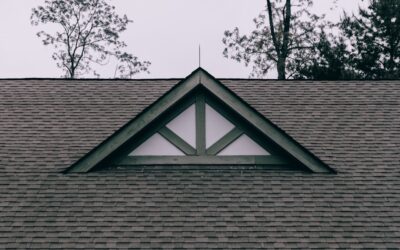
Walk down a coastal New England street and the silver-gray houses are almost always clad in eastern white cedar. Drive through the Pacific Northwest and you see warm, coppery western red cedar instead. When you weigh white cedar vs red cedar shakes, you are really choosing between two different trees with different colors, grain, thickness and price, and that choice shapes how your house looks for the next 30 years.
In short: eastern white cedar is lighter in color, weathers quickly to an even silver gray, costs less and is usually sold as thinner sawn shingles. Western red cedar starts reddish brown, has longer and straighter grain, takes stain beautifully, is slightly more rot resistant, and costs more, especially in thicker hand-split or premium grades. Pick white cedar for a classic weathered cottage look on a budget. Pick red cedar if you want a rich stained finish or heavy-textured shakes.
- White Cedar vs Red Cedar Shakes at a Glance
- Color: How Each Cedar Looks When New
- Weathering: The Silver-Gray Question
- Grain, Thickness and Texture
- Rot Resistance and Longevity
- Cost Comparison
- Finishing Choices for Each Species
- How to Choose for Your House
- Troubleshooting Cedar Siding Problems
- When to Call a Pro
- Frequently Asked Questions
White Cedar vs Red Cedar Shakes at a Glance
| Trait | Eastern White Cedar | Western Red Cedar |
|---|---|---|
| New color | Creamy tan to light honey | Pinkish to deep reddish brown |
| Natural weathering | Even silver gray in 1 to 2 years | Gray to dark gray, can blotch |
| Grain and knots | Tighter, more small knots | Long, straight, fewer knots |
| Typical sizes | 16 inch shingles, thinner butts | 16 to 24 inch, thick-butt shakes available |
| Relative cost | Lower | Higher |
A note on terms: “shingles” are sawn on both faces and smooth, while “shakes” are split on at least one face and rougher. White cedar is mostly sold as shingles, and red cedar comes in both. Many homeowners use the words interchangeably, and suppliers will understand either.
Color: How Each Cedar Looks When New
Fresh eastern white cedar has a pale, almost blond look with faint tan streaks. On a wall it reads light and uniform. Western red cedar is far more varied. A single bundle can range from salmon pink to chocolate, and that variation gives a wall depth and warmth that many people love.
If you plan to stain a solid or semi-solid color, the starting color matters less. If you plan a clear or semi-transparent finish, red cedar’s natural tones will show through, while white cedar will stay lighter and more neutral.
Weathering: The Silver-Gray Question
Left unfinished, both woods turn gray as UV light breaks down the surface lignin and mildew colonizes the fibers. The difference is how evenly and what shade.
Eastern white cedar weathers to a soft, consistent silver gray, which is why it defines the Cape Cod look. On a south or west wall in full sun, that change can happen in a single year. North walls stay tan longer, so you may see a two-tone house for a season or two.
Western red cedar tends to go through an awkward middle stage. It darkens first, then grays, and on shaded or damp walls it can turn charcoal or nearly black from mildew. Some homeowners like that deep tone. Others find it blotchy. If an even silver patina is your goal and you want to skip finishing, white cedar is the more predictable bet. A bleaching oil can speed and even out graying on either species.
Grain, Thickness and Texture
Red cedar trees are huge, so the wood has long, straight, clear grain. That allows thick, heavy-textured hand-split shakes with butts 3/4 inch or more, plus long 24-inch lengths that give a bold shadow line. Eastern white cedar comes from smaller trees, so expect more pin knots and shorter, thinner pieces, typically 16 inches long with butts around 3/8 to 1/2 inch.
Thicker butts mean deeper shadow lines and a more rustic, substantial look. Thinner white cedar shingles give a tighter, finer texture that suits cottages, Colonials and shingle-style homes. Neither is “better,” but they look noticeably different from the curb.
Rot Resistance and Longevity
Both species contain natural oils and extractives that resist decay and insects. Western red cedar’s heartwood generally scores a bit higher for decay resistance, and its thicker pieces simply have more wood to weather away. With good installation, either can last 30 to 40 years on a sidewall. Roofs see harsher exposure and shorter lifespans.
Installation matters more than species. Shakes should go over a drainage mat or breathable rainscreen so they can dry from both sides. Use stainless steel or hot-dipped galvanized nails, since cedar’s tannins react with plain steel and leave black streaks. Keep the bottom course at least 6 inches above grade, and trim back shrubs so walls dry after rain.
Cost Comparison
Prices swing with region, grade and freight. Eastern white cedar is cheaper in the Northeast and Midwest where it grows, and western red cedar is cheaper in the West. As general ranges:
- Eastern white cedar shingles: often about $2 to $4.50 per square foot for materials.
- Western red cedar shingles: roughly $3 to $6 per square foot.
- Red cedar hand-split shakes: commonly $4.50 to $8 or more per square foot.
- Installation labor: typically $4 to $9 per square foot for either, since shakes are slow to hang by hand.
- Pre-stained or factory-primed options: add a premium, but save a lot of labor later.
Grade also drives price. Top grades are clear and edge-grained; lower grades have more knots and flat grain that can cup. On a visible front wall, buying the better grade is usually worth it.
Finishing Choices for Each Species
You have four basic options, and each works differently on the two woods.
- Leave it natural. Best with white cedar for an even silver gray. Expect zero finish cost but uneven color during the transition.
- Bleaching oil. Speeds a uniform gray and reduces blotching, especially helpful on red cedar.
- Semi-transparent exterior wood stain. Lets grain show while adding UV protection and mildewcide. This is the sweet spot for red cedar, which glows under a cedar-tone or natural semi-transparent stain. Plan to reapply every 3 to 5 years.
- Solid stain or paint. Hides the wood’s color entirely. White cedar takes paint well because it is smooth and light, a common choice for painted shingle-style homes. Recoat every 7 to 10 years.
Whatever you choose, finish shingles before installation or within the first few weeks, ideally back-priming or dipping them so all faces are protected. Wear gloves, eye protection and good ventilation when using oil-based stains, and spread stain-soaked rags flat to dry outdoors, because linseed-based rags can self-heat and ignite if balled up.
How to Choose for Your House
Use these questions to settle white cedar vs red cedar shakes quickly:
- Want a natural silver-gray coastal look with no finish? Choose eastern white cedar.
- Want a warm stained wood tone? Choose western red cedar with a semi-transparent stain.
- Want deep shadow lines and a rustic texture? Red cedar hand-split shakes.
- Painting the walls? White cedar shingles save money and paint smoothly.
- Tight budget in the Northeast? White cedar usually wins on price.
- Shady, damp lot? Either species needs a finish with mildewcide; red cedar is more likely to darken unevenly if left bare.
Troubleshooting Cedar Siding Problems
- Black streaks under nails: wrong fasteners reacting with tannins. Use stainless steel; clean streaks with an oxalic acid wood brightener.
- Cupping or splitting: flat-grain pieces or shingles laid too tight. Leave 1/8 to 1/4 inch gaps between shingles for swelling.
- Green or black mildew: poor drying. Trim vegetation, wash gently with a diluted oxygen bleach cleaner, never a pressure washer at close range.
- Uneven gray color: normal sun exposure differences. Apply a bleaching oil or stain to even it out.
When to Call a Pro
Shake siding is time-consuming but approachable for a skilled DIYer on a single-story wall. Hire a siding contractor for multi-story walls, complex roof-to-wall flashing, rot repair in sheathing, or cedar roofing, which demands specific underlayment and ventilation details. Ladder and scaffold work above one story is best left to a crew with proper fall protection. Check with your local building department about fire-rated requirements too, since some wildfire-prone areas restrict untreated wood siding.
Frequently Asked Questions
Does white cedar or red cedar last longer?
Red cedar has a slight edge in decay resistance and usually comes thicker, but both last 30 to 40 years on walls when installed over a rainscreen with stainless fasteners.
Will red cedar shakes turn silver like white cedar?
They gray over time, but often darker and less evenly. A bleaching oil helps red cedar reach a more uniform silver.
Can I mix white and red cedar on one house?
It is possible with a solid stain or paint that hides the difference. With a natural or clear finish, the color mismatch is obvious.
Which cedar is better for painting?
Eastern white cedar shingles are smoother and lighter, so they take paint evenly. Red cedar needs a stain-blocking primer to stop tannin bleed.
Are cedar shakes worth the cost over fiber cement?
Cedar costs more to maintain but offers authentic texture and natural weathering. Fiber cement needs less upkeep but cannot weather to a true silver patina.