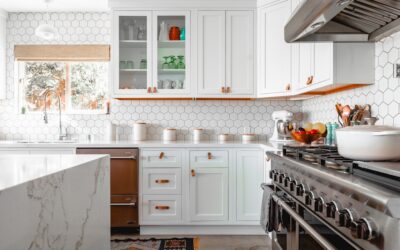
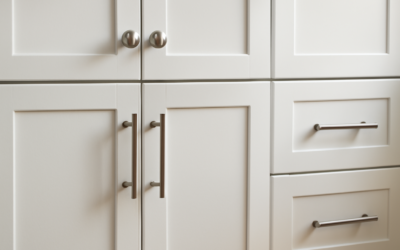
A white kitchen is a blank canvas, and the hardware you choose is the jewelry that gives it personality. The right white kitchen cabinet hardware ideas can push your kitchen toward crisp and modern, warm and traditional, or bold and dramatic, all without changing a single cabinet. Because white cabinets pair with nearly any finish, the choices can feel overwhelming. This guide breaks down finish options, knob-versus-pull decisions, sizing, and placement so you can land on a look that feels intentional rather than accidental.
Part of our Kitchen Remodeling guide — explore the full guide →
- Why Hardware Matters So Much on White Cabinets
- Finish Options and the Mood They Create
- Coordinating With Your Faucet and Fixtures
- Knobs vs Pulls: The Classic Question
- Sizing Hardware Correctly
- Placement That Looks Professional
- Style Combinations to Consider
- Knob and Pull Shapes and Materials
- Budgeting for a Hardware Update
- Bringing It All Together
Why Hardware Matters So Much on White Cabinets
On darker or wood cabinets, hardware can blend in. Against white, it stands out and creates contrast, which means the finish and shape you pick become a focal point. That contrast is a design opportunity: matte black hardware turns a plain white kitchen graphic and modern, while brass warms it up and softens the crispness. The same white cabinets can read completely differently depending on what you hang on them.
This is good news for anyone updating a kitchen on a budget. Swapping hardware is one of the cheapest, fastest changes you can make, and on white cabinets the impact is outsized because the new finish reads so clearly.
Finish Options and the Mood They Create
Finish is the first decision, and each one sends a different message.
- Matte black: high contrast, modern, and graphic; a favorite for farmhouse and contemporary kitchens alike
- Brushed or satin brass and gold: warm and slightly luxe, softening a white kitchen and pairing beautifully with white or marble-look countertops
- Polished chrome: bright, clean, and classic, reflecting light and reading crisp and traditional
- Brushed nickel and satin steel: neutral and forgiving, hiding fingerprints and coordinating with most faucets
- Oil-rubbed bronze: dark and warm with a vintage feel, well suited to traditional and rustic kitchens
There’s no wrong answer, but the finish should coordinate with your faucet, light fixtures, and any visible metal in the room. Matching or intentionally complementing those metals keeps the kitchen cohesive rather than scattered.
Coordinating With Your Faucet and Fixtures
A common mistake is choosing hardware in isolation. The cabinet pulls, faucet, pendant lights, and even the range knobs all read together. The simplest path is to match them: black hardware with a black faucet and black pendant shades, or brass hardware with a brass faucet. That creates a clean, deliberate look.
Mixing metals can work too, but it takes a light hand. A popular combination is warm brass hardware with a stainless or chrome faucet, which adds interest without clashing. If you mix, keep it to two metals and repeat each one in at least two places so it looks planned. When in doubt, matching is the safer route for a first-time update.
Knobs vs Pulls: The Classic Question
Both do the same job, but they change the feel of the kitchen. Knobs are small, round or square, and traditionally go on cabinet doors. Pulls, or handles, are longer bars mounted with two screws, and they’re easier to grip, which makes them popular on drawers, especially heavy ones full of pots and pans.
A widely used approach is knobs on the upper cabinet doors and pulls on the lower drawers, blending the classic look of knobs with the practicality of pulls where you need leverage. That said, all-pull kitchens have become very popular for their clean, modern lines, and using long pulls on both doors and drawers gives a streamlined, high-end feel. There’s no rule; choose based on the look you want and how the kitchen gets used.
Sizing Hardware Correctly
Proportion is where a lot of kitchens go wrong. Hardware that’s too small looks lost on a big drawer, while oversized pulls can overwhelm a small door. A few general guidelines help:
- For drawers, a common rule is a pull roughly one-third the width of the drawer front; wide drawers can take a longer pull or even two
- Standard knobs run around 1 to 1.5 inches in diameter, which suits most door sizes
- Cabinet pulls commonly range from about 3 to 6 inches center-to-center for doors, with longer options on big drawers
- Keep the style consistent across the kitchen so the sizes look like a family, not a mismatched set
When you’re unsure, buy one or two samples and hold them against your actual doors and drawers before committing to a full set. Seeing the scale in person prevents an expensive mismatch.
Placement That Looks Professional
Even great hardware looks sloppy if it’s placed inconsistently. On doors, knobs and pulls typically go near the corner opposite the hinges, a couple of inches in from the edges. On drawers, hardware is usually centered horizontally, and either centered vertically on shorter drawers or placed slightly high on tall drawer fronts. The exact position is partly personal, but consistency across every cabinet is what sells the look.
Use a simple drilling template or jig to keep every hole in the same spot. This inexpensive tool is the difference between hardware that lines up perfectly and a kitchen where every pull sits a little differently. Measure twice and drill once, because holes in the wrong place are hard to hide on white cabinets.
Style Combinations to Consider
If you want a starting point, a few tried-and-true pairings work reliably with white cabinets. Matte black bar pulls give a crisp, modern farmhouse look that has stayed popular for years. Brushed brass cup pulls and round knobs create a warm, slightly vintage feel that pairs beautifully with white subway tile and marble-look counters. Polished chrome or brushed nickel keeps things classic and timeless, an easy choice if you plan to sell or simply want something that won’t feel dated.
For a bolder statement, oversized brass or black pulls on a run of drawers turn hardware into a design feature. Whatever direction you choose, repeating the finish elsewhere in the room, on the faucet, lighting, or open shelving brackets, ties it all together.
Knob and Pull Shapes and Materials
Beyond finish, the shape and material of the hardware change the feel just as much. Round knobs read soft and traditional, square and rectangular knobs lean modern, and bar pulls with clean edges feel contemporary. T-bar pulls, cup pulls, and bin pulls each carry their own personality. Cup pulls, those half-moon handles that cradle your fingers underneath, have a warm, vintage character that suits farmhouse kitchens beautifully. Slim, straight bar pulls do the opposite, giving a crisp, architectural line that flatters flat-panel doors.
Material affects durability and feel too. Solid metal hardware, whether zinc alloy, brass, or stainless, has a satisfying weight and holds up to years of daily grabbing. Cheaper hollow or plated pieces can wear or lose their finish over time, especially near the sink and stove where hands are wettest and dirtiest. On white cabinets, worn or chipped hardware shows quickly against the clean backdrop, so spending a bit more on solid, well-coated pieces pays off in the long run. If you like a textured or hand-forged look, wrought-iron-style hardware adds rustic charm without breaking the budget.
Budgeting for a Hardware Update
One of the reasons a hardware swap is such a popular first project is its flexibility on cost. Individual knobs and pulls span a wide range, from a couple of dollars each for basic pieces to well over ten or twenty dollars apiece for premium solid-brass or designer hardware. Multiply by the number of doors and drawers in your kitchen and the total can range from modest to significant, so count your cabinets before you shop to know how many pieces you actually need.
A smart approach is to prioritize where the hardware shows most. If the budget is tight, splurge on the island or the run of drawers people see first and use a more economical option on less visible cabinets, keeping the finish consistent throughout. Buy an extra piece or two beyond your count as well, since it’s frustrating to come up one pull short mid-install or to need a replacement later and find the style discontinued.
Bringing It All Together
The beauty of white cabinets is their flexibility, and the best white kitchen cabinet hardware ideas use that flexibility to set the tone you want, from moody matte black to warm brass to timeless chrome. Coordinate the finish with your faucet and lighting, size the pieces to your doors and drawers, and place everything consistently with a template. Nail those details and a simple hardware swap can make a white kitchen feel custom-designed, all for a fraction of the cost and effort of any bigger renovation.